

 English
 中文简体
中文简体






10 Foot Beach Umbrella: The Complete Buyer's Guide
Posted by Admin
Content
- 1 Why a 10 Foot Beach Umbrella Is the Right Choice for Most Beachgoers
- 2 What to Look for in a 10 Foot Beach Umbrella: Key Specifications Explained
- 3 Comparing 10 Foot Beach Umbrellas by Type and Use Case
- 4 How to Properly Anchor a 10 Foot Beach Umbrella in Sand
- 5 Top 10 Foot Beach Umbrella Picks Across Different Budgets
- 5.1 Best Overall: Sport-Brella Versa-Brella SPF 50+ (Around $60–$80)
- 5.2 Best for Windy Beaches: Tommy Bahama 10-Foot Beach Umbrella (Around $80–$120)
- 5.3 Best Budget Option: AmazonBasics 10-Foot Beach Umbrella (Under $50)
- 5.4 Best Premium Option: Frankford Umbrellas 7.5-Foot Market Beach Umbrella (Upgraded to 10-foot commercial models, $150–$250)
- 5.5 Best for UV-Sensitive Users: Shadezilla 10-Foot Beach Umbrella (Around $100–$130)
- 6 How to Extend the Life of Your Beach Umbrella
- 7 10 Foot Beach Umbrellas vs. Other Shade Solutions: An Honest Comparison
- 8 Beach Umbrella Safety Rules and Local Regulations Worth Knowing
- 9 Accessories That Genuinely Improve the Beach Umbrella Experience
- 10 Common Mistakes People Make When Buying and Using Beach Umbrellas
Why a 10 Foot Beach Umbrella Is the Right Choice for Most Beachgoers
If you are trying to decide what size beach umbrella to buy, the answer for most families and groups is clear: a 10 foot beach umbrella hits the sweet spot between shade coverage and portability. A 10-foot canopy provides roughly 50 to 78 square feet of shade, depending on the sun angle, which is enough to cover two to four adults along with their chairs, coolers, and gear. Smaller 7- or 8-foot beach umbrellas leave little room for error when the sun moves, and you end up constantly repositioning. Go up to a 12-footer and you are dealing with a pole that can be difficult to anchor securely in soft sand and a canopy that catches wind like a sail.
Beach umbrellas in the 10-foot range have become the standard recommendation from dermatologists, outdoor gear reviewers, and beach safety organizations because they provide meaningful UV protection without becoming a liability on a crowded beach. The American Cancer Society recommends seeking shade as a primary strategy for reducing UV exposure, and a properly rated 10-foot beach umbrella with a UPF 50+ canopy blocks over 98% of UVA and UVB rays falling directly under it.
This guide covers everything you need to know before buying: canopy materials, pole construction, wind resistance ratings, anchoring methods, portability features, and specific product recommendations across different budgets.
What to Look for in a 10 Foot Beach Umbrella: Key Specifications Explained
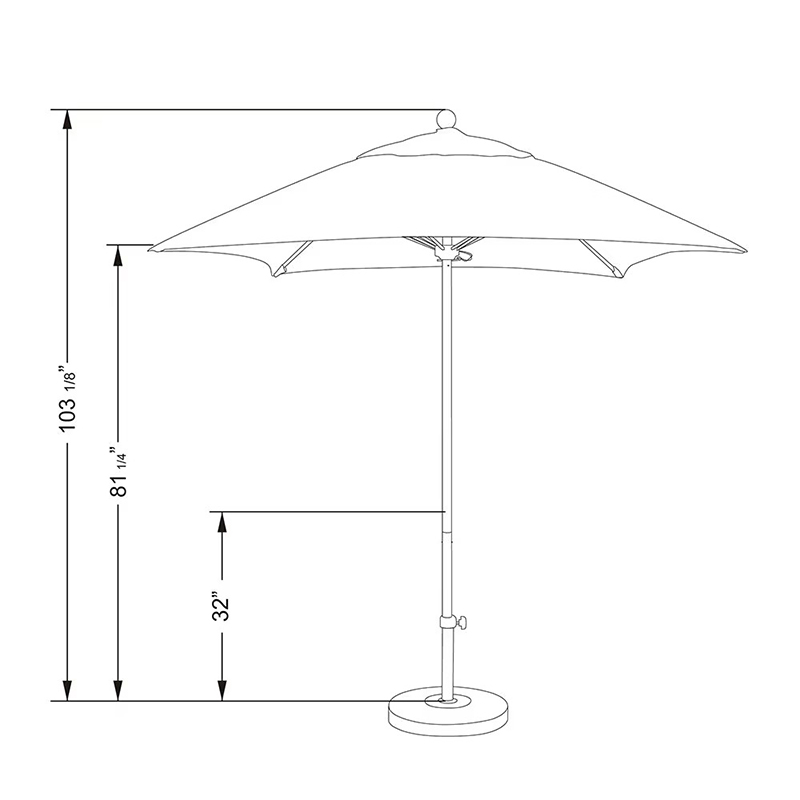
Not all beach umbrellas are built the same way. The label might say "10 foot" on two different products, but the actual shade experience, durability, and safety performance can differ dramatically. Here is a breakdown of the specifications that actually matter.
Canopy Fabric and UPF Rating
The canopy is the most important component. The two most common materials used in quality beach umbrellas are polyester with a silver or titanium coating and solution-dyed acrylic fabric. Coated polyester is lighter and less expensive, making it common in mid-range beach umbrella products. Solution-dyed acrylic — the same material used in marine canvas and high-end outdoor furniture — is heavier but resists fading, mold, and UV degradation far better over multiple seasons.
Always look for a UPF 50+ rating, which is independently tested and means the fabric allows less than 1/50th of UV radiation to pass through. Some cheaper beach umbrellas claim "UV protection" without a verified UPF rating — this language is unregulated and meaningless. A 2018 study published in JAMA Dermatology found that sitting under a beach umbrella with high UPF fabric significantly reduced UV dose compared to no protection, even when participants were not in full shade.
Pole Material: Steel, Fiberglass, or Aluminum
The pole on a 10-foot beach umbrella typically ranges from 1.25 to 1.5 inches in diameter. The three main pole materials each have real tradeoffs:
- Steel poles are the heaviest option, typically adding 2 to 4 pounds compared to aluminum, but they resist bending under wind load better than thin aluminum. They will rust if the coating is scratched, so inspect welds and coating annually.
- Fiberglass poles are the best choice for high-wind environments. Fiberglass flexes under wind pressure rather than snapping, which is why it is the preferred material in hurricane-prone coastal areas. It is slightly heavier than aluminum but dramatically more resilient.
- Aluminum poles are the lightest option and resist corrosion well in saltwater environments. They are the most common choice in mid-to-premium beach umbrella products. Thick-walled aluminum (look for anodized 6061 or 6063 aluminum alloy) is nearly as strong as steel for typical beach conditions.
Rib Count and Canopy Frame
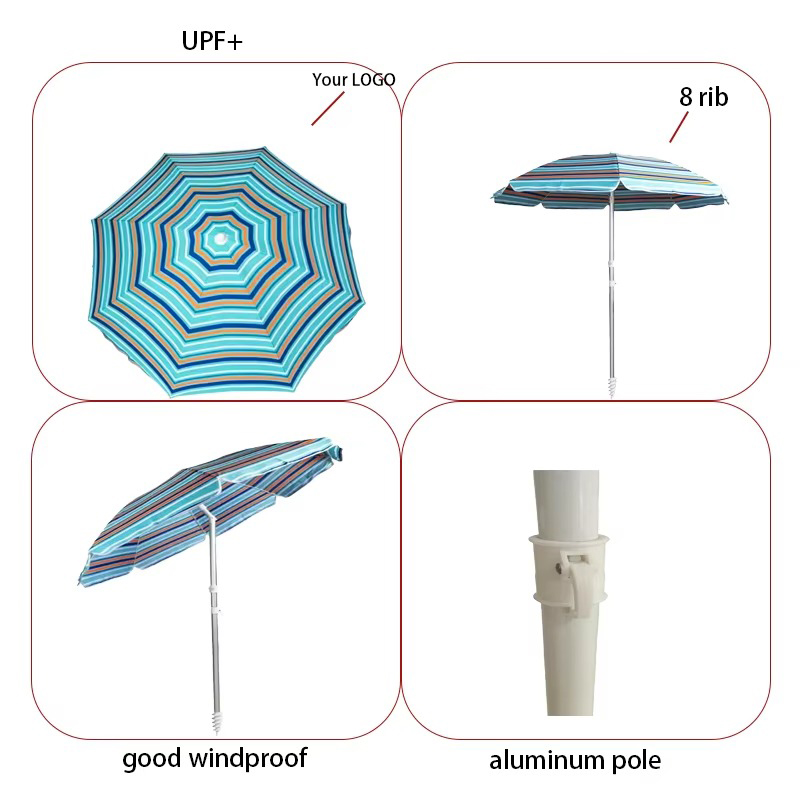
A 10-foot beach umbrella should have a minimum of 8 ribs to maintain its shape under light to moderate wind. Budget models sometimes ship with 6 ribs, which leads to visible canopy sag and uneven stress distribution. Premium beach umbrellas in this size range use 8 to 12 fiberglass or aluminum ribs. More ribs mean a rounder, more stable canopy and less wind flutter — the noise and constant movement that becomes exhausting after a few hours at the beach.
Tilt Mechanism
A tilt function is not optional on a 10-foot beach umbrella — it is essential. As the sun moves across the sky, a tilted canopy can extend usable shade by an additional 20 to 30% compared to a fixed vertical pole. The two tilt mechanisms you will encounter are push-button tilt (a spring-loaded collar that allows the pole to angle in multiple directions) and crank tilt (a rotating collar that is more precise but slightly more expensive). Push-button is more common and works well; just check that the mechanism is made of metal rather than plastic, as plastic tilt buttons crack under repeated stress.
Wind Resistance Rating
This is where marketing language gets dangerously misleading. Many beach umbrella products claim to be "wind-resistant" without providing any tested MPH rating. A 10-foot canopy has a large surface area, and in a 20 MPH gust, an unanchored beach umbrella becomes a projectile weighing 4 to 8 pounds traveling at speed — a real hazard to other beachgoers. Look for products that cite a specific tested wind rating, ideally 30 to 40 MPH when properly anchored. Ventilated canopy designs — those with a secondary vented panel at the top — significantly reduce wind uplift by allowing air to escape through the canopy rather than building pressure beneath it.
Comparing 10 Foot Beach Umbrellas by Type and Use Case
Not every 10-foot beach umbrella is designed for the same situation. Below is a comparison of the main categories available on the market, along with the use cases where each performs best.
| Type | Weight Range | Wind Resistance | Price Range | Best For |
|---|---|---|---|---|
| Standard aluminum pole | 6–9 lbs | Moderate (20–25 MPH) | $40–$80 | Casual beach days, calm conditions |
| Vented canopy + fiberglass | 8–12 lbs | High (30–40 MPH) | $80–$150 | Windy coastlines, family use |
| Commercial-grade steel | 12–18 lbs | Very high (40+ MPH) | $150–$300 | Beach rentals, daily professional use |
| Cabana-style with sand anchor | 10–14 lbs | High (35+ MPH) | $100–$200 | Long beach stays, UV-sensitive users |
For most recreational beachgoers, the vented canopy with fiberglass or thick aluminum pole in the $80–$150 range represents the best combination of safety, shade quality, and longevity. Budget options under $50 tend to last one or two seasons before the ribs bend, the tilt mechanism fails, or the canopy fabric begins to delaminate.
How to Properly Anchor a 10 Foot Beach Umbrella in Sand
A 10-foot beach umbrella that is not properly anchored is a serious safety risk. Between 2010 and 2019, beach umbrella injuries sent an estimated 2,800 people per year to emergency rooms in the United States, according to data published in the American Journal of Emergency Medicine. Most of these incidents involved umbrellas that became airborne after being pulled out of the sand by wind. Proper anchoring is not optional — it is the single most important thing you can do once you arrive at the beach.
The Correct Insertion Technique
Most people simply push a beach umbrella pole straight into the sand and call it done. This is wrong. The correct method involves inserting the pole at a 30-degree angle into the wind — meaning the top of the umbrella leans slightly toward the direction the wind is coming from. This geometry means wind pressure tends to push the canopy down into the sand rather than lifting the pole out of it. Insert the pole to a minimum depth of 18 inches, using a twisting motion rather than straight pushing. A corkscrew anchor attachment (sold separately for $10–$20) significantly increases holding strength by creating a threaded grip in the sand.
Sand Anchor Attachments
Screw-in sand anchors replace the standard pointed tip on most beach umbrella poles. They look like a large corkscrew and thread into the sand with significantly more surface area than a straight tip. Independent tests have shown that a corkscrew anchor can triple the pull-out resistance compared to a straight pole in dry, loose sand. Several premium 10-foot beach umbrellas now include integrated corkscrew bases. If yours does not, verify that the pole diameter matches the anchor's collar diameter before purchasing separately.
Wet Sand vs. Dry Sand Positioning
Wet compacted sand near the waterline holds an umbrella pole significantly better than dry loose sand further up the beach. If wind conditions are gusty or above 15 MPH, setting up closer to the water — where sand is denser — is a practical safety upgrade. The tradeoff is that tide changes can surprise you, so check the tide schedule for your location before committing to a spot near the waterline.
When to Close the Umbrella
No anchoring method makes a 10-foot beach umbrella safe in sustained winds above 25 to 30 MPH. When you see whitecaps on the water, which typically form around 15 MPH, start monitoring conditions. If wind gusts are rattling the canopy repeatedly or the pole is visibly flexing, close the umbrella and collapse it flat. Most modern beach umbrellas close quickly — practice the closure mechanism at home before your first beach trip so you are not fumbling with it under pressure.
Top 10 Foot Beach Umbrella Picks Across Different Budgets
The beach umbrella market is crowded, with dozens of products using nearly identical marketing language. The following recommendations are based on construction quality, verified wind ratings, UPF certifications, and durability reports from long-term users.
Best Overall: Sport-Brella Versa-Brella SPF 50+ (Around $60–$80)
This is consistently one of the best-reviewed 10-foot beach umbrellas in the mid-range category. It features a 360-degree rotation collar, a push-button tilt mechanism, and UPF 50+ rated polyester canopy. The aluminum pole is thick enough to handle moderate wind without flexing. It packs down to a 48-inch carry bag that fits most umbrella carriers. Verified users consistently note the tilt mechanism as being more durable than average for the price point.
Best for Windy Beaches: Tommy Bahama 10-Foot Beach Umbrella (Around $80–$120)
The Tommy Bahama 10-foot model uses a vented canopy design with a secondary top panel that allows wind to pass through, dramatically reducing uplift. The fiberglass ribs flex rather than snap under gusts. The included sand anchor tip is a corkscrew style. This is the most commonly recommended 10-foot beach umbrella for East Coast and Gulf Coast locations where afternoon thunderstorm winds can arrive quickly. The canopy fabric is solution-dyed and holds color well after multiple seasons of UV exposure and saltwater contact.
Best Budget Option: AmazonBasics 10-Foot Beach Umbrella (Under $50)
For occasional use — a few beach days per year — this umbrella performs adequately. The canopy is UPF 50+ rated polyester with 8 steel ribs. The tilt mechanism is plastic, which is the weakest point of the design and the most common failure mode reported after 2 to 3 seasons of use. Suitable for calm to light-wind conditions. Not recommended for exposed coastal areas or locations prone to afternoon sea breezes above 15 MPH.
Best Premium Option: Frankford Umbrellas 7.5-Foot Market Beach Umbrella (Upgraded to 10-foot commercial models, $150–$250)
Frankford is one of the few manufacturers producing beach umbrella products to commercial hospitality standards for consumer sale. Their 10-foot aluminum beach umbrella uses heavy-wall 6061 aluminum, 8 heavy fiberglass ribs, and a solution-dyed Olefin canopy. The tilt mechanism is an all-metal collar. This product is rated for daily use in beach rental environments, which means it is significantly overbuilt relative to occasional personal use — but if you want something that will last a decade rather than two seasons, this category is worth the investment.
Best for UV-Sensitive Users: Shadezilla 10-Foot Beach Umbrella (Around $100–$130)
Shadezilla markets specifically to beachgoers with high UV sensitivity — fair-skinned individuals, people on photosensitizing medications, and those recovering from skin cancer. Their 10-foot canopy is UPF 100+ rated, which is above the standard certification threshold, using a heavier-weight silver-coated polyester. Independent testing by third-party labs has confirmed their UPF claims. The trade-off is that the heavier fabric adds about 1.5 pounds to the overall umbrella weight compared to standard polyester models.
How to Extend the Life of Your Beach Umbrella
A quality 10-foot beach umbrella should last between 5 and 10 years with proper maintenance. Most failures happen not because the product is defective but because it is stored, cleaned, or used incorrectly. The following practices will significantly extend the usable life of your beach umbrella.
Rinsing After Beach Use
Salt, sand, and sunscreen residue are the three primary agents that degrade beach umbrella materials over time. After every beach trip, rinse the canopy fabric and the pole with fresh water. Pay particular attention to the tilt mechanism collar, the rib-to-hub connections, and any joints in a two-piece pole. Salt crystals that dry in joints accelerate corrosion in aluminum and rust in steel. A 60-second rinse with a garden hose before packing up can add years to a product's life.
Drying Before Storage
Never pack a beach umbrella into its carry bag while wet or damp. Mold and mildew grow rapidly on damp polyester and acrylic canopy fabrics stored in closed bags. Open the umbrella fully and allow it to air dry completely in shade before storing. Storing in direct sunlight while wet accelerates UV degradation of the fabric. Even one season of improper wet storage can result in a canopy that smells persistently of mildew and has weakened fabric seams.
Off-Season Storage
During winter months or extended periods of non-use, store your 10-foot beach umbrella in a cool, dry indoor location. Avoid garages with extreme temperature fluctuations, which cause expansion and contraction cycles in aluminum and plastic components. The carry bag is useful for transport, not for long-term storage — store the closed umbrella horizontally on a shelf or hang it vertically from the loop on the carry bag in a climate-controlled space.
Inspecting and Replacing Components
Before each season begins, inspect the following components for wear or damage:
- Rib tips — the small plastic or rubber caps where ribs meet the canopy edge. These crack and fall off, causing the rib to puncture the canopy from inside during high wind events.
- Tilt mechanism — check that the button or collar moves smoothly and locks positively in each position. Stiff or sticky mechanisms should be lubricated with a small amount of silicone spray, not petroleum-based lubricants.
- Canopy seams — look for fraying, delamination, or stress tears, especially at the points where ribs attach to the canopy fabric. Small tears spread rapidly under wind load.
- Pole joints — if you have a two-piece pole, check the connecting ferrule for cracks or corrosion. A cracked ferrule joint is a failure point that can cause the pole to collapse unexpectedly.
Most manufacturers of premium beach umbrellas sell replacement canopies and pole sections separately. A replacement canopy for a 10-foot beach umbrella typically costs $30–$60 — significantly less than replacing the entire unit — and is worth the investment if the pole and frame are still in good condition.
10 Foot Beach Umbrellas vs. Other Shade Solutions: An Honest Comparison
Beach umbrellas are not the only shade option available, and understanding how they compare to alternatives helps you make the right choice for your specific situation.
Beach Umbrellas vs. Pop-Up Beach Tents
Pop-up beach tents (also called beach cabanas or sun shelters) offer more enclosed shade and often include UPF-rated fabric on three or four sides. They are particularly good for infants and toddlers who need full-surround protection. However, they catch significantly more wind than a beach umbrella and can become dangerously airborne if not properly staked. They also take up more beach real estate — a 10-foot beach umbrella sits within a roughly 2-foot footprint, while a pop-up tent requires 6 to 10 square feet of sand. For most adults, a properly positioned 10-foot beach umbrella with a good tilt mechanism provides comparable UV protection to a tent with less setup effort and less wind risk.
Beach Umbrellas vs. Shade Sails
Portable shade sails stretched between poles are popular in some beach markets, particularly in Australia and Southern Europe. They can cover a larger area than a single beach umbrella but require multiple anchor points in sand, which is more complex than a single pole and rarely as secure. Shade sails are better suited to fixed backyard installations than portable beach use. A 10-foot beach umbrella is faster to set up, easier to reposition as the sun moves, and simpler to pack out at the end of the day.
Single Umbrella vs. Multiple Smaller Beach Umbrellas
Some groups opt for two 7-foot beach umbrellas instead of one 10-foot beach umbrella. The coverage math seems similar but the experience is not. Two smaller umbrellas create two separate shaded zones with a gap between them that the sun exploits as it moves. A single 10-foot canopy provides uninterrupted shade over a larger continuous area, is easier to position relative to the sun, and requires managing only one anchor point. The only real advantage of two smaller umbrellas is if your group genuinely wants to sit in separate clusters.
Beach Umbrella Safety Rules and Local Regulations Worth Knowing
Several popular beach destinations in the United States and internationally have introduced regulations specifically governing beach umbrellas following documented injury incidents. Being aware of these rules before you travel prevents surprises.
- Ocean City, Maryland requires beach umbrella poles to be inserted at least 18 inches into the sand. Umbrellas that become unsecured and move on their own can be confiscated by beach patrol.
- Virginia Beach, Virginia has a size limit of 9 feet diameter for beach umbrellas on public beaches, which technically excludes some 10-foot models. Check local ordinances if you are visiting.
- Many Florida state parks require umbrellas to be attended at all times — you cannot stake an umbrella and leave it unattended on the beach.
- In the UK, several Norfolk and Suffolk beaches have issued advisory guidelines recommending umbrellas be closed when wind speed exceeds 20 MPH.
Beyond formal regulations, follow these universal safety practices regardless of where you are: always close the umbrella when leaving the beach even briefly; never leave children unsupervised near an open beach umbrella in windy conditions; and position the open umbrella so that if it did become dislodged, it would travel away from other people rather than toward occupied areas of the beach.
Accessories That Genuinely Improve the Beach Umbrella Experience
A handful of accessories make a meaningful difference when using a 10-foot beach umbrella. These are not gimmicks — each one addresses a real practical limitation.
Sand Anchor with Corkscrew Base ($10–$25)
Already discussed in the anchoring section, but worth emphasizing: this is the single most safety-relevant accessory you can buy. Models like the Beachbub Universal Beach Umbrella Anchor work with most standard pole diameters and thread into sand with a T-bar handle. The difference in pull-out resistance compared to a straight-pointed pole in dry sand is substantial enough that several coastal communities have begun recommending or requiring them.
Umbrella Carry Bag with Shoulder Strap ($15–$30)
Many 10-foot beach umbrellas ship with a basic drawstring bag that puts all the weight on one shoulder and makes carrying it along with chairs and coolers awkward. A padded carry bag with a shoulder strap and a pocket for accessories (sand anchor, sunscreen, keys) turns the umbrella from a burden into an easy carry item. Look for bags made from quick-dry polyester that can be rinsed with the umbrella.
Umbrella Table Clamp ($20–$40)
A clamp-style side table that attaches to the umbrella pole provides a flat surface for drinks, sunscreen, and phones. These attach at any height on the pole using a friction collar. For a 10-foot beach umbrella, position the table at around 4 feet of pole height to avoid it interfering with the tilt mechanism. Most models support up to 5 pounds, which is sufficient for practical beach use.
UV-Blocking Side Panel Curtain ($20–$50)
When the sun is low in the sky — in the first and last two hours of beach time — a standard beach umbrella canopy provides less protection because UV rays are arriving at a low angle from the side rather than overhead. A clip-on fabric side panel that attaches to the umbrella ribs and hangs vertically addresses this gap. These are particularly useful for people with photosensitive conditions or high skin cancer risk who need lateral UV blocking as well as overhead shade.
Common Mistakes People Make When Buying and Using Beach Umbrellas
After reviewing what makes a good 10-foot beach umbrella and how to use one correctly, it is worth summarizing the most frequent mistakes that lead to poor experiences or safety incidents.
- Choosing by price alone. A $25 beach umbrella will not survive a single windy afternoon on an exposed beach. The cost difference between a budget and a mid-range 10-foot beach umbrella is often $40–$60 — a worthwhile investment spread over 5 to 10 years of use.
- Ignoring the canopy material. Not all "UPF 50+" claims are equally reliable. Look for products where the UPF rating is backed by independent lab testing certification, not just a manufacturer's self-declaration.
- Inserting the pole straight down. Always angle into the wind at approximately 30 degrees. This is the most commonly violated basic safety rule for beach umbrellas.
- Leaving the umbrella open and unattended. Even a properly anchored 10-foot beach umbrella can be dislodged by a sudden gust when no one is present to close it quickly.
- Storing wet. This is the primary cause of premature canopy fabric failure and is entirely preventable.
- Not checking wind conditions. Sustained winds above 20 MPH are a signal to close any beach umbrella regardless of how well it is anchored.
Recommended products
Contact Us Now
Copyright 2024 @ Shaoxing Jinqiao Umbrella Co., Ltd. All Rights Reserved. OEM/ODM umbrellas manufacturers Custom Umbrellas Factory
