

 English
 中文简体
中文简体






5 Foot Beach Umbrella: Sizing, Materials, and Wind Anchoring Guide
Posted by Admin
Content
- 1 What Counts As A 5 Foot Beach Umbrella
- 2 Who A 5 Foot Beach Umbrella Actually Suits
- 3 Fabric And Frame Materials That Matter
- 4 Sun Protection And UPF Ratings
- 5 Wind Resistance And Anchoring Methods
- 6 Step By Step Setup On The Sand
- 7 Common Setup Mistakes To Avoid
- 8 5 Foot Versus Other Common Beach Umbrella Sizes
- 9 Features Worth Checking Before Buying
- 10 What A 5 Foot Beach Umbrella Typically Costs
- 11 Accessories That Improve The Experience
- 12 Seasonal And Climate Considerations
- 13 Care And Storage Between Trips
- 14 Frequently Asked Questions
- 14.1 How much shade does a 5 foot beach umbrella actually provide?
- 14.2 Is a 5 foot beach umbrella big enough for a family of four?
- 14.3 What wind speed can a 5 foot beach umbrella handle?
- 14.4 Does a 5 foot beach umbrella need a separate sand anchor?
- 14.5 How do I know if the fabric actually blocks UV rays?
- 14.6 Can a 5 foot beach umbrella be used at a park or backyard instead of the beach?
- 14.7 How long does a 5 foot beach umbrella typically last?
- 14.8 Is a heavier umbrella always more stable than a lighter one?
- 14.9 Can two 5 foot umbrellas be set up next to each other instead of buying one larger umbrella?
- 14.10 What is the difference between a beach umbrella and a standard patio umbrella of the same size?
- 14.11 Should the umbrella be closed while walking to the car if it is still windy?
A 5 foot beach umbrella is the right choice when you need shade for one to two people without hauling around a bulky canopy. Look for a model with a fiberglass rib frame, a UPF 50+ fabric such as polyester or Sunbrella acrylic, and a tilt mechanism, then anchor it at least 12 to 18 inches deep in sand. This size packs down small, weighs under 5 pounds in most cases, and fits into a standard beach bag or car trunk, which is why it remains one of the most purchased umbrella diameters for solo travelers, couples, and parents managing a stroller and a cooler at the same time.
The rest of this guide walks through exactly how this size is measured, which materials hold up best in salt air and direct sun, how much real shade it delivers, how to anchor it safely in different wind conditions, how it compares with larger umbrella sizes, what it typically costs at different quality tiers, which accessories are worth adding, and how to keep it in working condition across multiple seasons. Each section stands on its own, so feel free to jump to the part that answers your specific question.
What Counts As A 5 Foot Beach Umbrella
The "5 foot" measurement refers to the canopy diameter when the umbrella is fully open, not the pole height or the radius of shade on the ground. A canopy of this size typically covers between 18 and 20 square feet, enough for one adult lounge chair with a small side table, or two people sitting close together on towels. Pole height on most 5 foot models runs between 5.5 and 6.5 feet, which keeps the canopy low enough to resist wind gusts compared with taller 7 to 9 foot umbrellas.
Because the frame is smaller, manufacturers can use lighter materials without sacrificing stability. A typical 5 foot beach umbrella weighs between 2.5 and 4.5 pounds, compared with 6 to 9 pounds for a 7 foot umbrella and up to 12 pounds for a 9 foot market-style canopy. That weight difference matters most for anyone walking more than a few minutes from the parking lot to the sand.
How The Diameter Is Actually Measured
Manufacturers measure canopy diameter tip to tip across the fully open umbrella, not the flat shade radius directly beneath it. Because the canopy sits at an angle above the ground rather than flat, actual ground shade is usually slightly smaller than the stated diameter, often by 10 to 15 percent depending on how high the canopy sits on the pole. This is worth keeping in mind if you are measuring your beach setup against a specific towel or chair footprint before buying.
Rib Count And Canopy Shape
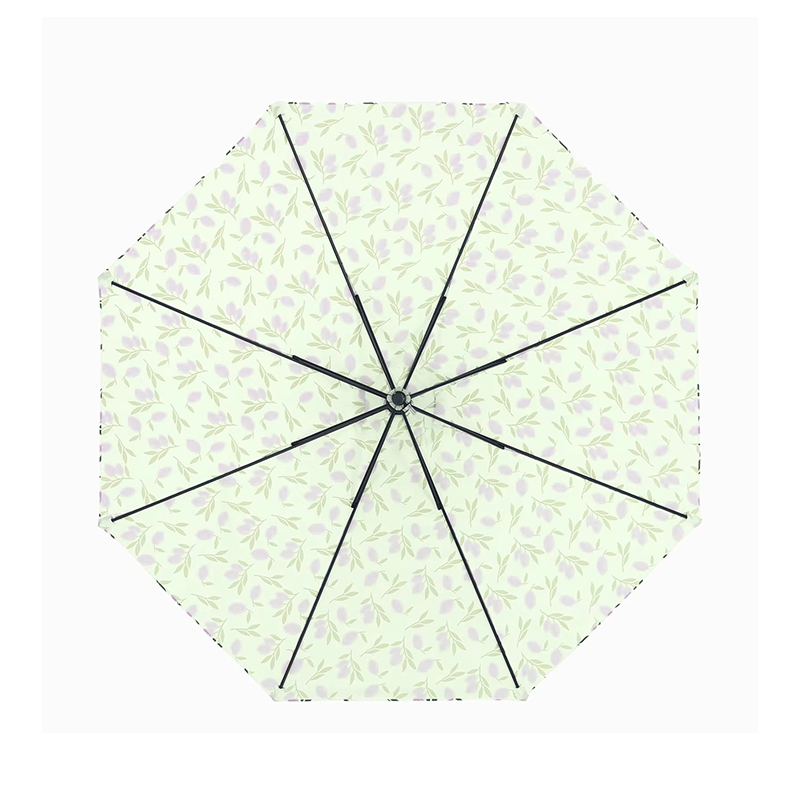
Most 5 foot beach umbrellas use either 6 or 8 ribs to support the canopy. An 8-rib design generally holds its shape better in wind and reduces flapping at the fabric edges, while a 6-rib design is slightly lighter and less expensive to produce. Some models use a scalloped or vented edge rather than a plain circular edge, which can reduce noise from fabric snapping in breezy conditions.
Who A 5 Foot Beach Umbrella Actually Suits
This size is built around portability rather than maximum coverage, so it fits certain trips better than others.
- Solo beachgoers or couples who want shade for one seating area rather than a full family camp
- Travelers flying or biking to the beach, since the folded length is usually 30 to 34 inches
- Parents who need one hand free for a stroller or a young child and cannot manage a heavier pole
- Anyone using a beach wagon with limited cargo space, where a compact umbrella leaves room for coolers and chairs
- People who reposition their shade often to follow the sun, since a lighter pole is easier to pull and replant
- Anyone storing gear in a small apartment, car, or boat locker where a compact folded length matters
- Fishing or paddling trips where the umbrella needs to fit into a kayak hatch or tackle bag
Families of four or more, or groups that want to sit in a wide circle, usually find a 5 foot canopy too small and move up to a 7 or 8 foot umbrella instead. Matching the size to the actual number of people sitting under it avoids buying a second umbrella later.
Typical Trip Scenarios
A couple spending a half day at a local beach with two folding chairs and a small cooler is the scenario this size handles best, since the canopy comfortably shades both chairs when angled correctly. A parent with one toddler in a pop-up play area often pairs a 5 foot umbrella with a separate baby tent rather than trying to cover both under one canopy, since the shade radius is not large enough to span a play mat and adult seating at the same time.
Fabric And Frame Materials That Matter
Canopy Fabric Options
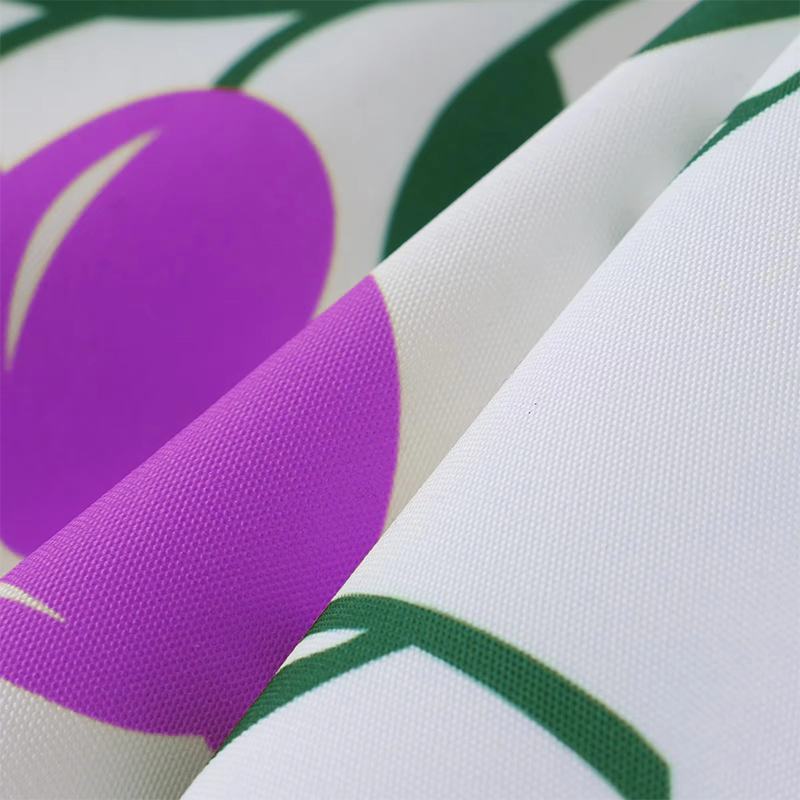
Most budget 5 foot beach umbrellas use woven polyester, while mid-range and premium versions use solution-dyed acrylic fabric such as Sunbrella. Polyester is lighter and less expensive but tends to fade within one to two seasons of regular sun exposure. Solution-dyed acrylic costs more upfront, generally 2 to 3 times the price of a polyester equivalent, but the color is woven through the fiber rather than printed on top, so it resists fading far longer, often 5 years or more with routine care.
Frame And Pole Construction
Fiberglass ribs are now standard on quality beach umbrellas because they flex in wind instead of snapping the way older steel ribs did. The center pole is usually aluminum or a fiberglass and aluminum combination. Aluminum poles resist rust in salt air better than plain steel, which matters since beach umbrellas sit in a corrosive environment far more often than patio umbrellas do.
Coatings And Backing Layers
Many canopies add a silver or dark underside coating that reflects heat rather than absorbing it, which can noticeably lower the temperature under the shade on hot afternoons. A polyurethane backing layer also helps with light rain resistance, though beach umbrellas are not designed as full waterproof shelters and should be closed in sustained rain to avoid fabric strain.
Stitching And Seam Quality
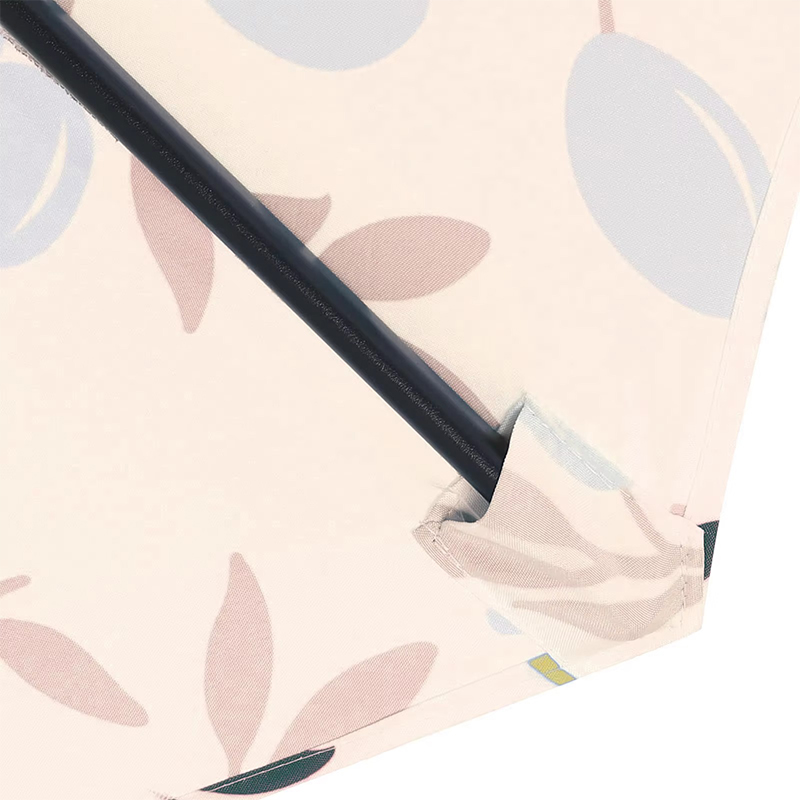
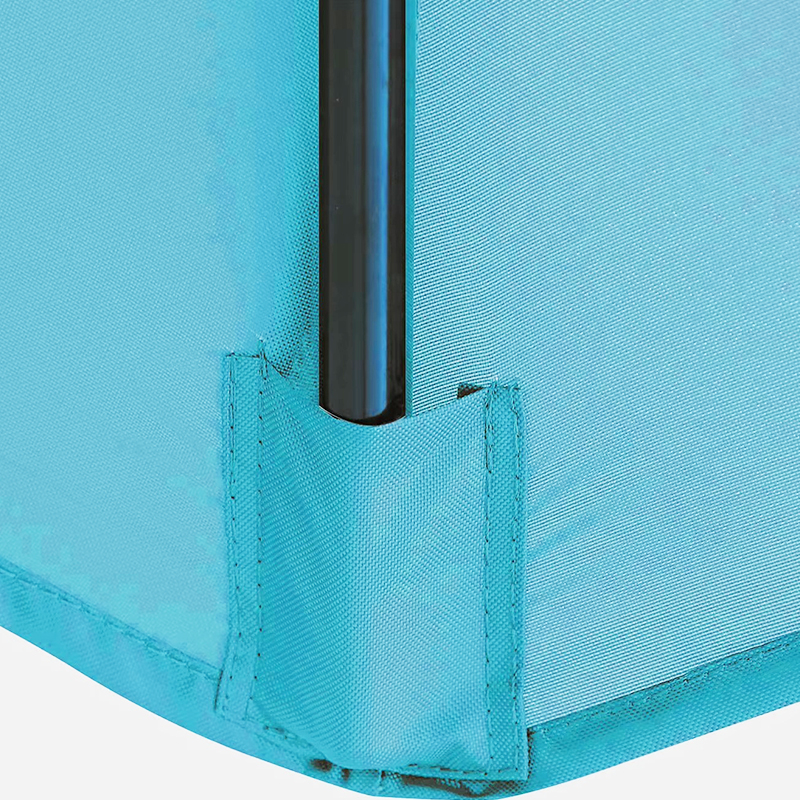
Double-stitched seams along the canopy edge and around the vent openings hold up noticeably longer under repeated wind flexing than single-stitched seams. When examining a canopy in person or in close-up photos, seams that look reinforced with a second visible stitch line are usually a sign of a more durable construction overall, even when the base fabric weight looks similar between two products.
| Material | Typical Weight | Fade Resistance | Relative Price |
|---|---|---|---|
| Woven Polyester | 2.5 to 3.5 lbs | 1 to 2 seasons | Low |
| Solution-Dyed Acrylic | 3.5 to 4.5 lbs | 5 or more seasons | High |
| Aluminum Pole | Adds 0.5 to 1 lb | Rust resistant | Medium |
| Fiberglass Ribs | Adds 0.3 to 0.6 lb | Flexes rather than snaps | Medium |
Sun Protection And UPF Ratings
UPF stands for Ultraviolet Protection Factor, and it measures how much UV radiation passes through fabric. A UPF 50 rating blocks roughly 98 percent of UV rays, which is the level most quality beach umbrella canopies are built to meet. Loosely woven or thin fabrics may only reach UPF 15 to 30, letting noticeably more UV through even though the fabric still looks like it blocks the sun visually.
Color and weave density both affect UPF. Darker, tightly woven fabrics generally test higher than light, loosely woven ones of the same material. When a listing does not state a UPF number, that is usually a sign the fabric has not been independently tested, so it is worth checking the product specification sheet rather than assuming any beach umbrella provides full sun protection.
Shade Alone Is Not Full Protection
Sand and water reflect a meaningful portion of UV radiation back upward, so sitting under a high-UPF canopy does not eliminate exposure the way it might under a solid roof. Sunscreen on exposed skin and UV-rated sunglasses remain useful even when sitting fully under a well-rated umbrella, particularly during midday hours when the sun sits close to directly overhead and the canopy angle covers less of the surrounding reflected light.
Reading A Fabric Tag Correctly
A tag listing "UPF 50+" indicates the fabric has been tested and blocks at least 98 percent of UV-A and UV-B radiation under the relevant testing standard. A tag that only says "UV resistant" without a number is a marketing description rather than a tested rating, and the actual protection level in that case can vary considerably between products.
Wind Resistance And Anchoring Methods
A smaller canopy catches less wind, which is one practical advantage of the 5 foot size over larger umbrellas, but anchoring still determines whether it stays upright. An unanchored umbrella of any size can lift and become a hazard in gusts above 15 to 20 mph.
Sand Anchor Techniques
- Dig a hole at least 12 to 18 inches deep, angled slightly toward the prevailing wind direction
- Insert the pole and pack wet sand firmly around it in layers rather than loose dry sand
- Add a sand anchor accessory, such as a screw auger or a bag-style weight, for extra holding power
- Close the canopy partially or fully when leaving the umbrella unattended, even briefly
Screw-Style Versus Straight Pole Bases
Screw-style bases, sometimes called auger anchors, twist into the sand and generally hold better than a straight pole pushed straight down, since the threading grips sand on multiple sides. Many 5 foot beach umbrella kits now include a screw base as a standard accessory rather than an optional add-on, which is worth checking before purchase if wind is a common issue at your usual beach.
Why Depth Matters More Than Angle
A pole buried 18 inches deep in packed wet sand holds significantly better than one buried 8 inches deep at a steeper angle, because holding power comes primarily from the surface area of sand gripping the buried section rather than the entry angle. Dry, loose sand near the surface offers very little resistance, which is why digging past the loose top layer into firmer, damp sand underneath makes a measurable difference.
Reading Wind Conditions Before Setup
Checking a local wind forecast before heading out helps decide whether a 5 foot umbrella is even the right tool for the day. Sustained wind above 20 to 25 mph is difficult for any handheld beach umbrella to manage safely regardless of anchoring quality, and a wind-rated beach tent or shelter with multiple ground stakes is generally a safer choice in those conditions.
| Wind Speed | Typical Conditions | Recommended Action |
|---|---|---|
| Under 10 mph | Light breeze, flags stir gently | Standard sand anchor is sufficient |
| 10 to 20 mph | Steady breeze, sand starts to blow | Use a screw anchor and check tightness often |
| Above 20 to 25 mph | Strong gusts, difficult to sit comfortably | Close and stow the umbrella entirely |
Step By Step Setup On The Sand
A consistent setup routine reduces the chance of a mid-afternoon collapse and speeds up how quickly shade is available after arriving at your spot.
- Choose a spot away from high-traffic walking paths and clear of the tide line based on the current tide schedule
- Dig the anchor hole first, before opening the canopy, so wind cannot catch an open umbrella while you are still digging
- Insert the closed umbrella into the hole and pack sand around the pole in firm layers
- Twist a screw anchor into place around the base if using one, checking that it sits flush with the sand surface
- Open the canopy slowly, keeping a hand on the pole until it locks into the fully open position
- Adjust the tilt to angle the canopy against the current sun position rather than straight overhead
- Recheck the base after 20 to 30 minutes, since sand settling and foot traffic nearby can loosen the initial pack
Common Setup Mistakes To Avoid
Burying The Pole Too Shallow
A hole that only reaches 6 to 8 inches deep is the single most common reason a beach umbrella tips over in moderate wind, since that depth sits mostly within loose, dry surface sand that offers very little grip.
Leaving The Canopy Open And Unattended
Walking away for a swim with the canopy fully open, even with a screw anchor in place, removes the option to react if wind picks up suddenly. Closing the canopy, even partially, before leaving the area removes most of the surface area wind can catch.
Setting Up Too Close To The Tide Line
An umbrella anchored in sand that later gets soaked by an incoming tide can become unstable as the surrounding sand shifts and softens. Checking the tide schedule before choosing a spot avoids having to relocate mid-afternoon.
Ignoring The Vent When Present
Some umbrellas ship with a small vent flap secured shut for storage. Forgetting to release it before use removes one of the frame's main wind-relief features and increases the chance of the canopy flipping in a sudden gust.
5 Foot Versus Other Common Beach Umbrella Sizes
Choosing between umbrella sizes comes down to group size, portability needs, and how much shade coverage matters relative to how far the umbrella has to be carried.
| Canopy Size | Shade Coverage | Best For | Typical Weight |
|---|---|---|---|
| 5 feet | 18 to 20 sq ft | Solo or couple, portability priority | 2.5 to 4.5 lbs |
| 6 feet | 26 to 28 sq ft | Small family, two to three chairs | 4 to 6 lbs |
| 7 feet | 36 to 38 sq ft | Family group, four chairs | 6 to 9 lbs |
| 9 feet | 60 sq ft or more | Large groups, fixed setup for the day | 9 to 12 lbs |
Beach Umbrella Versus Beach Tent
A beach tent or sun shelter typically covers more ground than a 5 foot umbrella and includes side walls that block low-angle sun and wind-blown sand, but it takes longer to set up and generally weighs more once poles and stakes are included. A 5 foot umbrella wins on setup speed and repositioning ease, while a tent wins on total enclosed coverage for a full family for a long day.
Single Pole Versus Clamp-On Chair Umbrellas
Small clamp-on umbrellas that attach directly to a chair arm offer even less weight to carry than a 5 foot freestanding umbrella, but they only shade one seat and cannot be repositioned independently of the chair. A freestanding 5 foot umbrella remains the more flexible option when shading a shared space between two chairs or a cooler.
Features Worth Checking Before Buying
Tilt Mechanism
A tilt joint lets the canopy angle toward the sun as it moves across the sky, which matters more on a 5 foot umbrella than a larger one since the smaller canopy shifts shade off a seating area faster. A push-button or twist-lock tilt is easier to adjust with sandy hands than a mechanism requiring a separate tool.
Vented Canopy Top
A small vent or air relief panel near the top of the canopy releases wind pressure instead of letting it build up under the fabric. This single feature is one of the most effective ways to reduce the chance of an umbrella flipping inside out in a gust, and it adds very little weight to the finished product.
Carry Bag And Portability
Most 5 foot beach umbrellas fold to roughly 30 to 34 inches and come with a basic carry sleeve. A padded bag with a shoulder strap is a worthwhile upgrade for anyone walking more than a few minutes from parking, since the exposed metal tips can otherwise poke through a thin bag or scratch a car interior.
Locking Rib Joints
A locking mechanism at each rib joint keeps the canopy fully taut once opened, rather than sagging slightly at the edges. Umbrellas without a locking joint tend to droop over time as the fabric stretches, which reduces both shade coverage and wind stability.
Color Choice And Heat
Darker canopy colors absorb more heat on the top surface but often block slightly more visible light than lighter colors of the same fabric weight. Many users find a mid-tone color, such as navy or teal, balances shade quality with a canopy top that does not feel overly hot to the touch after a few hours in direct sun.
What A 5 Foot Beach Umbrella Typically Costs
Price differences between models generally come down to fabric type, frame material, and included accessories such as anchors or carry bags rather than the canopy size itself, since 5 foot umbrellas already sit at the smaller, less expensive end of the size range.
| Tier | Typical Fabric | Included Extras |
|---|---|---|
| Budget | Basic woven polyester | Simple carry sleeve only |
| Mid-range | Coated polyester or thicker weave | Screw anchor, padded bag |
| Premium | Solution-dyed acrylic | Reinforced ribs, vented top, full anchor kit |
Spending more at the mid-range or premium tier tends to pay off fastest for anyone using the umbrella more than a handful of days per year, since fading, rib fatigue, and pole rust are the most common reasons a budget umbrella needs early replacement.
Accessories That Improve The Experience
Sand Anchor Kits
A dedicated screw-style sand anchor, sold separately for umbrellas that do not include one, is one of the highest-value accessories available for this size, since it directly addresses the most common failure point.
Umbrella Sandbags Or Weights
Fillable sandbags that clip around the base add extra downward weight without requiring a deeper anchor hole, which is useful on beaches with firmer or rockier sand where digging a deep hole is difficult.
Clamp Or Table Mount Attachments
Some 5 foot umbrellas can pair with a clamp mount for a picnic table or beach cart, letting the same umbrella serve double duty away from loose sand, such as at a lakeside picnic table or a boat dock.
Reflective Or High-Visibility Pole Wraps
A brightly colored wrap or reflective tape around the lower pole helps prevent trips in crowded beach areas, particularly around dusk, and is a low-cost addition many families add after the fact.
Seasonal And Climate Considerations
Fabric and frame performance can shift depending on the climate an umbrella is used in most often.
Hot, High-UV Climates
In consistently sunny regions, fade resistance becomes the priority, making solution-dyed acrylic fabric a stronger long-term choice even at a higher upfront price, since polyester fabrics used daily in intense sun can visibly fade within a single summer.
Coastal And Salt-Heavy Environments
Frequent salt spray accelerates corrosion on any metal parts, so rinsing the frame after each use and choosing aluminum over steel components matters more in these settings than in freshwater lake environments.
Windy Coastal Regions
Beaches known for consistent onshore wind benefit from a vented canopy design and a screw-style anchor as standard equipment rather than optional extras, since the umbrella will face wind loads more often than in sheltered bay areas.
Care And Storage Between Trips
Rinse the canopy and pole with fresh water after each beach trip to remove salt residue, which accelerates corrosion on metal joints and can stiffen fabric coatings over time. Let the umbrella dry fully in the open position before folding it, since closing a damp canopy encourages mildew, particularly in humid coastal climates.
Store the folded umbrella somewhere dry rather than in a car trunk that heats up in direct sun, since prolonged heat exposure can weaken UV coatings faster than normal outdoor use. A light coating of silicone spray on the metal ribs once or twice a season keeps the folding mechanism moving smoothly and helps prevent rust at the joints.
Cleaning Stains And Sand Buildup
A soft brush and mild soap solution removes most sand and light staining from canopy fabric without damaging the coating. Avoid bleach or strong solvents, which can break down UV coatings and accelerate color fading well beyond normal sun exposure.
Off-Season Storage
Between seasons, storing the umbrella indoors in its carry bag rather than in a garage or shed exposed to temperature swings helps the fiberglass ribs retain their flexibility, since repeated extreme heat and cold cycles can make fiberglass slightly more brittle over several years.
Frequently Asked Questions
How much shade does a 5 foot beach umbrella actually provide?
It covers roughly 18 to 20 square feet directly beneath the canopy, enough for one lounge chair plus a small table, or two people sitting close together on towels. Shade area shrinks somewhat once the umbrella is tilted to block a low afternoon sun.
Is a 5 foot beach umbrella big enough for a family of four?
Generally not comfortably. Most families of four find a 6 or 7 foot canopy a better fit, since the 5 foot size is designed around one to two seated people rather than a full group.
What wind speed can a 5 foot beach umbrella handle?
With a properly buried sand anchor, most quality models handle steady wind up to around 15 to 20 mph. Gusts above that range can still lift an umbrella regardless of size if it is not anchored deeply, so closing the canopy in strong or unpredictable wind is the safer choice.
Does a 5 foot beach umbrella need a separate sand anchor?
It is strongly recommended even though some models ship with a basic pole. A screw-style auger anchor or a sand weight bag adds meaningful holding power beyond simply pushing the pole into loose sand.
How do I know if the fabric actually blocks UV rays?
Check the product listing or tag for a stated UPF rating. UPF 50 blocks about 98 percent of UV radiation, while unrated or very light, loosely woven fabric may let significantly more UV through even if it looks opaque.
Can a 5 foot beach umbrella be used at a park or backyard instead of the beach?
Yes, though grass and soil require a different anchoring approach than sand, such as a ground spike base or a weighted stand designed for hard or grassy surfaces, since the umbrella pole alone will not hold steady in those conditions.
How long does a 5 foot beach umbrella typically last?
A polyester canopy with regular beach use often shows noticeable fading within 1 to 2 seasons, while solution-dyed acrylic fabric on a well-maintained frame can last 5 seasons or more, particularly with fresh-water rinsing and dry storage after each use.
Is a heavier umbrella always more stable than a lighter one?
Not necessarily. Anchoring depth and technique generally matter more than the umbrella's own weight, since even a heavier pole will tip in strong wind if it is only buried a few inches into loose sand.
Can two 5 foot umbrellas be set up next to each other instead of buying one larger umbrella?
Some groups do this to shade two separate seating clusters with independent tilt control for each, though it generally costs more in total than a single larger umbrella covering the same combined area.
What is the difference between a beach umbrella and a standard patio umbrella of the same size?
Beach umbrellas are built lighter for portability and typically use a simple pole anchor rather than a heavy weighted base, while patio umbrellas rely on a stand or table base and often use heavier frame materials since they are not designed to be carried daily.
Should the umbrella be closed while walking to the car if it is still windy?
Yes. Carrying an open umbrella in wind risks a sudden gust catching the canopy, which can strain the ribs or pull it out of your hands. Closing it fully before walking any distance is the safer practice regardless of umbrella size.
Recommended products
Contact Us Now
Copyright 2024 @ Shaoxing Jinqiao Umbrella Co., Ltd. All Rights Reserved. OEM/ODM umbrellas manufacturers Custom Umbrellas Factory
