

 English
 中文简体
中文简体






Beach Tent vs Umbrella: Which Offers Better Sun Protection and Wind Resistance?
Posted by Admin
Content
- 1 The Core Trade-Off: Which One Should You Pick?
- 2 Beach Tent vs Umbrella: Head-to-Head Comparison Table
- 3 Sun Protection: Coverage Area vs UPF Rating
- 4 Wind Resistance and Anchoring Design
- 5 Setup Time and Portability
- 6 Space, Comfort, and Interior Usability
- 7 Material and Longevity: What Actually Wears Out
- 8 Cost and Value Over Time
- 9 Scenario-Based Recommendations
- 10 What a Quality Shade Manufacturer Can Do For You
- 11 Frequently Asked Questions
- 11.1 Are beach tents better than umbrellas in high wind?
- 11.2 Which provides better sun protection: a tent or an umbrella?
- 11.3 Can I use a beach umbrella in 30 mph wind?
- 11.4 How long does it take to set up each option?
- 11.5 What size beach umbrella do I need for 2 adults?
- 11.6 Are beach tents worth the extra weight?
- 11.7 Can I use a beach umbrella as a tent?
- 11.8 What is the best UPF level for beach shade?
- 11.9 How do I anchor a beach tent on loose sand?
- 11.10 Which should I choose for a family beach vacation?
- 11.11 How long does a quality beach umbrella last?
- 11.12 Do beach tents block UV rays?
If you are deciding between a beach tent and a beach umbrella, here is the direct answer: choose a beach umbrella when wind conditions are calm to moderate, you need fast setup, and you want to cover a wide seating area. Choose a beach tent when wind is a constant concern, you need a private changing room, or you bring children who nap on the sand. The right choice depends mostly on three factors: wind exposure, how many people you shade, and how long you plan to stay.
Many beachgoers assume a tent is automatically better because it is more enclosed. But umbrellas deliver a larger shade footprint for a lower cost, while tents provide structural stability that few umbrellas can match without serious anchoring gear. Understanding the real performance differences will save you from buying the wrong piece of gear for the beach conditions you actually face.
The Core Trade-Off: Which One Should You Pick?
Research on beach shade equipment consistently shows that the biggest failure point for umbrellas is wind. In a 2025 field test of popular beach shade products conducted by an independent outdoor gear testing group, umbrellas failed at wind speeds between 18 and 25 mph when secured with standard sand anchors. Beach tents in the same test held ground until 28 to 35 mph. That single finding explains why tent sales have grown in recent years, but it does not mean tents are always the better purchase.
If you set up on a sheltered bay, near tall dunes, or in a cove with a consistent light breeze, a high-quality umbrella with eight or more ribs and a wind vent will give you a far larger shaded area per dollar. If you park on an open beach stretch where afternoon gusts are common, the lower profile of a tent creates less drag, and that matters more than the size of the shade.
The decision framework is simple:
- Wind 0-15 mph: the umbrella side.
- Wind 15-25 mph: both options can work if you anchor them properly.
- Wind above 25 mph: the tent side.
Beach Tent vs Umbrella: Head-to-Head Comparison Table
The following table summarizes the core specifications you will see across the market. These numbers reflect typical products in the mid-range price band, not budget or premium extremes.
| Feature | Beach Umbrella | Beach Tent |
|---|---|---|
| Setup time | 1-3 minutes | 5-12 minutes |
| Weight | 5-12 lbs | 8-18 lbs |
| Shade footprint | 30-60 sq ft (canopy dependent) | 25-45 sq ft (floor footprint) |
| Practical wind limit | Up to 20-25 mph | Up to 30-35 mph |
| Interior space | Open air, no walls | Enclosed with a floor |
| Ventilation | Excellent airflow from below | Limited unless vented |
| Privacy | None | Moderate |
| Kids and naps | Not suitable | Suitable for naps and changing |
| Typical price range | $30-120 | $45-180 |
| Common UPF rating | UPF 50+ | UPF 50+ |
Sun Protection: Coverage Area vs UPF Rating
The amount of UV radiation you avoid, not the label on the fabric, is what matters. A UPF 50+ beach umbrella blocks about 98% of UVB rays. A UPF 50+ tent canopy does the same. The real difference is coverage geometry.
A classic round beach umbrella at a 45-degree angle casts an elliptical shadow that moves as the sun moves. At noon, a 7-ft canopy can shade 30 to 35 sq ft. By 3 pm, that shadow stretches into a long ellipse and a second person in the low sun direction loses coverage. That is why we recommend a product with a tilt function. An adjustable-angle umbrella lets you reposition the canopy without moving the base, keeping the shadow on your towel instead of on the sand.
A beach tent, by contrast, provides a fixed footprint of shade. If you orient it correctly in the morning, it stays shaded for a bigger portion of the day because the footprint is smaller and the canopy is closer to the ground. The trade-off is that you and your gear sit inside that small footprint, so you cannot spread out.
If you plan to bring children, the tent's enclosed shade is a more practical sun protection product because overheating is easier to manage inside a small enclosed space with a floor. The shape of the canopy directly controls how the shadow falls, and that matters more than the fabric weight in real beach conditions.
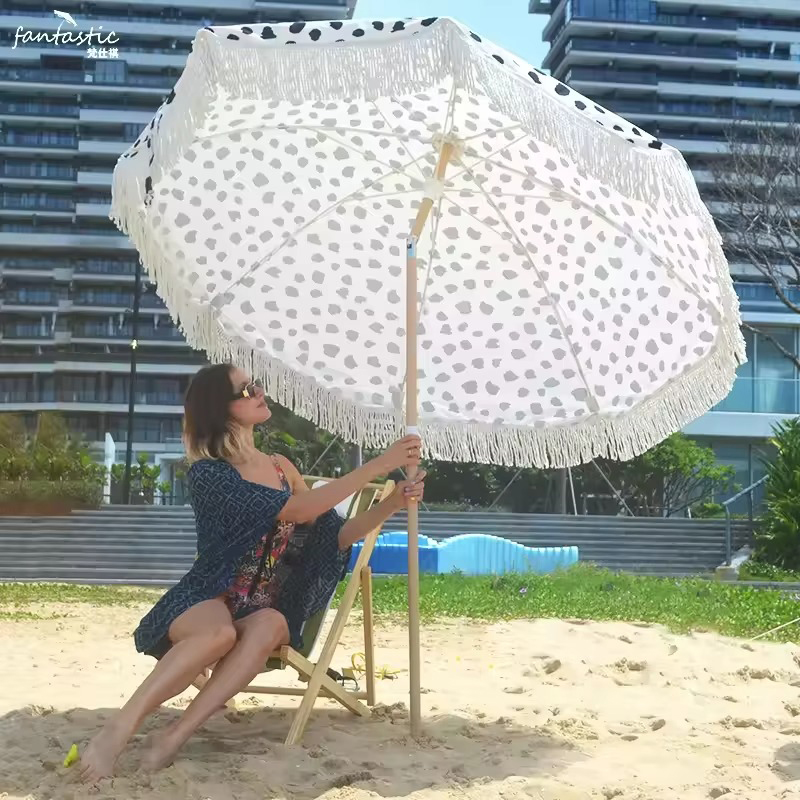
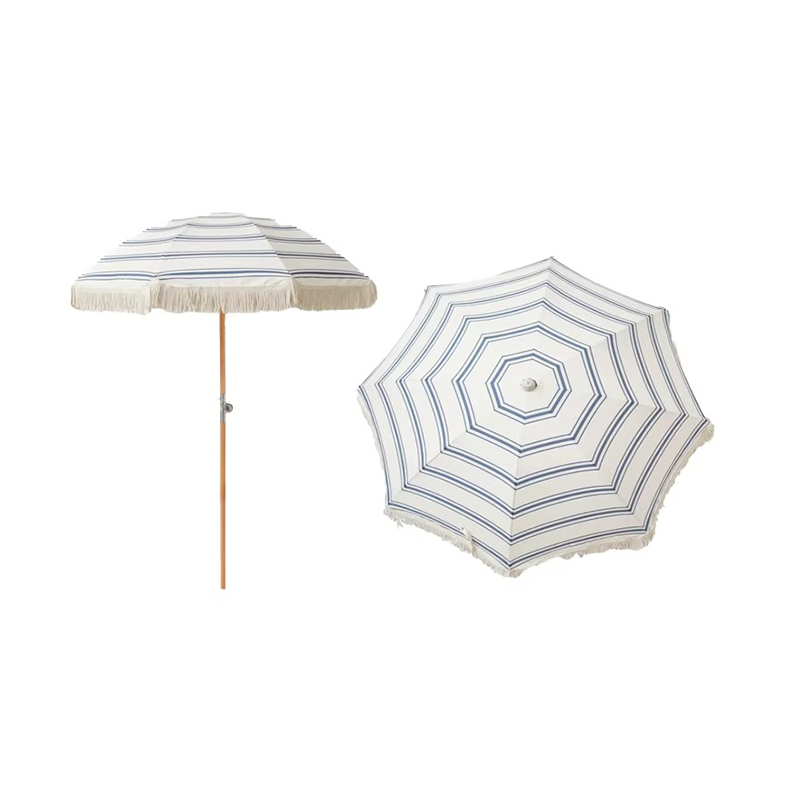
 UPF50+ Angle Adjustable Beach Umbrella for Flexible Sun ProtectionThis umbrella offers UPF50+ protection and an adjustable canopy angle, making it easy to block shifting sun without moving the pole. Its stable frame suits breezy beach conditions, extending shade coverage for couples.View Product →
For adult couples who just need reliable surface level protection, a UPF 50+ angle adjustable umbrella gives you the widest shade coverage per dollar. The ability to change the canopy tilt while the pole stays in the sand means you are not constantly digging the pole out and repositioning it.
Wind Resistance and Anchoring Design
Wind is the single most common reason beach shade products fail. The physics are straightforward: a larger canopy catches more wind, and the higher the canopy sits, the more leverage the wind has to tip it over. A beach umbrella canopy sits 5 to 8 feet above the sand. A tent sits 2 to 4 feet.
A 7-ft umbrella without a vent creates about 15-20 sq ft of surface area. In a 20 mph wind, that translates to roughly 30-40 pounds of force acting on the canopy. If the pole is not driven deep enough, the umbrella tips over. With a well-designed wind vent and a sand screw anchor, some umbrellas can handle 20-25 mph, but that is close to their limit.
A 40-inch-tall beach tent has a much smaller profile. The same 20 mph wind exerts about half the lateral force. Properly sand-filled, a four-person tent remains stable in 25-30 mph gusts. The trade-off is that bigger family tents with more fabric can catch cross-winds if you do not fill the sand pockets.
A ventilated canopy design helps a lot in both categories. The double-layer ventilated structure used in higher-end sunshades lets wind pass through the top rather than pushing against the entire surface. This is a critical feature if you frequently deal with coastal breezes.
Setup Time and Portability
For most beach trips, setup time is a bigger factor than most people expect. A 20-minute struggle with a tent after a two-hour drive can ruin the start of a vacation.
- A single-person beach umbrella sets up in about 90 seconds. You press the canopy release, push the pole into the sand, and tilt the canopy.
- A pop-up canopy tent sets up in 3 to 5 minutes. You unfold the frame, stake the corners, and fill the sand pockets.
- A traditional pole-style tent with separate canopy and frame poles takes 8 to 12 minutes to assemble.
Weight and packed length matter too. A compact umbrella packs down to 40-50 inches and weighs 6-8 lbs. A lightweight tent packs to 24-30 inches and weighs 8-10 lbs. If you are carrying gear to a far parking lot or walking a half mile along sand, the shorter packed length of a tent is easier but the heavier weight is harder. If you have a cart or a short walk, the umbrella wins.
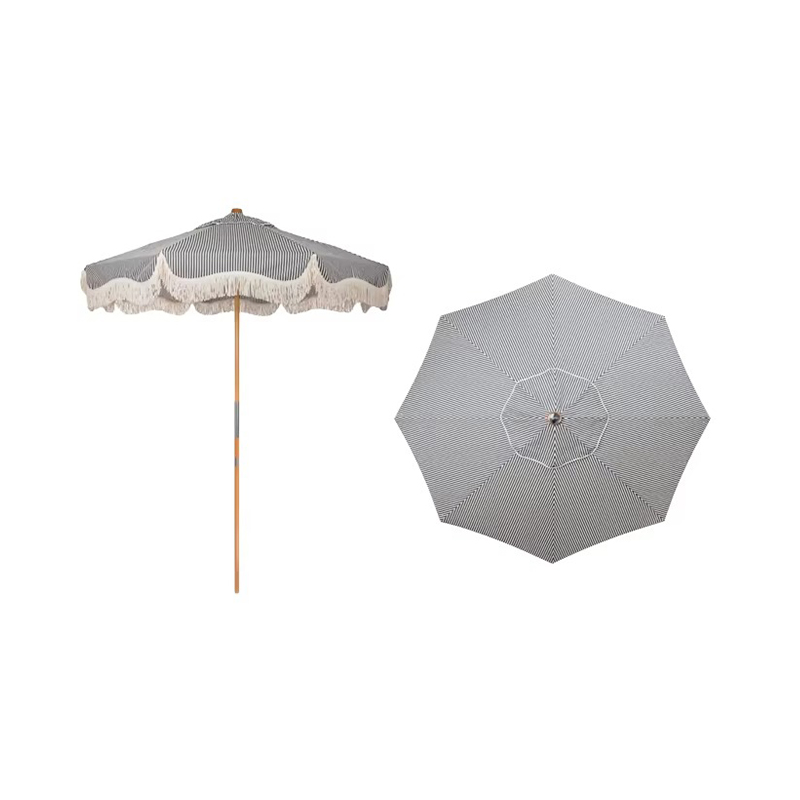
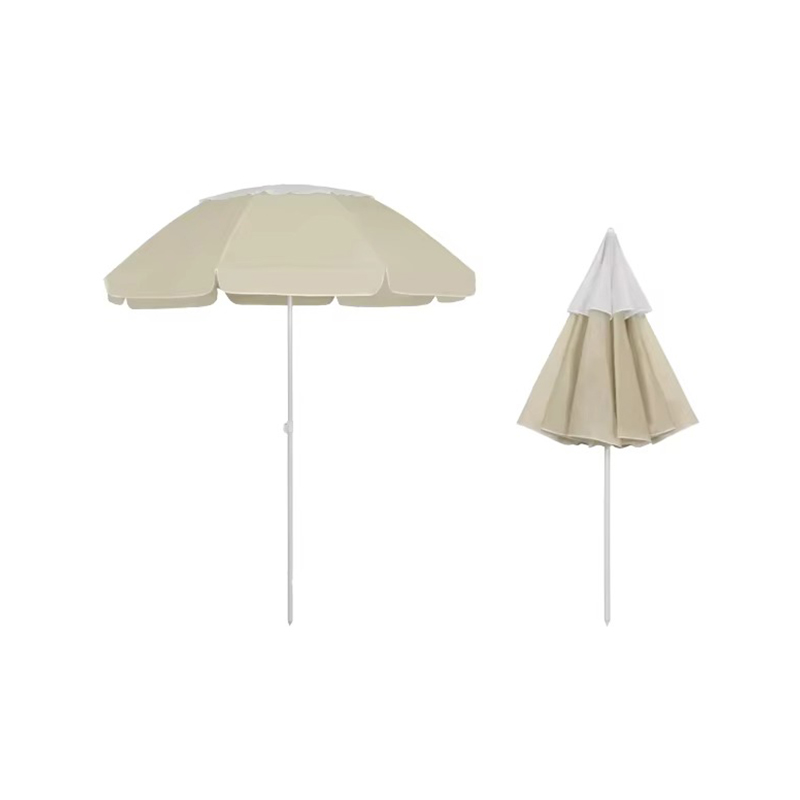
 Portable Instant Sun Protection Beach Umbrella with Quick SetupLightweight and compact, this umbrella opens with one touch, giving immediate shade. Its UPF50+ fabric and wind-resistant build make it a convenient choice for short trips or small groups.View Product →
A portable instant sun protection umbrella is designed for one-touch opening and compact storage, so you can be shaded before you have even finished unpacking your cooler. That kind of quick-setup feature matters more on solo trips and smaller groups than on long family stays.
Space, Comfort, and Interior Usability
Space is where these two products diverge most. A beach umbrella creates an open-air shade canopy. You place your chair or towel under it, and you can still see the surf, feel the breeze, and stand up to stretch. The downside is that gear bags, coolers, and children are not protected from blowing sand.
A beach tent creates a floor-to-canopy enclosure. If you are traveling with a toddler who naps on the beach, a tent changes everything. The enclosure blocks wind-borne sand and provides a quiet, dim space. It also gives you a secure place to change clothes. For families, the practical usability of a tent is higher even though the square footage is roughly the same.
The comfort factor on hot days: because a tent sits low and has side walls, heat can build up inside. A canopy umbrella provides constant air movement from all directions, making it more comfortable in humid heat. A double-layer ventilated canopy helps an umbrella shed warm air and pass cooler air underneath. If you are going to a beach with high humidity and little breeze, the open-air design of an umbrella is hard to beat.
For adults who plan to be in and out of the water all day, the umbrella's open structure means you never feel trapped. For parents who need a shaded spot where a child can lie down in a playpen or a diaper change without the whole beach watching, the enclosed tent is the more practical product.
Material and Longevity: What Actually Wears Out
The factory that produces your beach shade equipment determines how long it lasts. The most common failure points are the canopy fabric, the pole joint, and the stitching.
Canvas weight matters more than the label. A 210D polyester canopy is the entry-level common weight, and it will degrade in a beach environment after 1-2 seasons of frequent use. A 420D oxford fabric with a PU coating holds up better against the sun's UV degradation and the abrasive action of sand. Look for a canopy at least 150 grams per square meter.
Frame construction matters even more. Fiberglass ribs are flexible and will not corrode, but they can snap under a hard gust. Aluminum frames are lightweight and rust-resistant, but the joint where the rib meets the hub is the typical failure point. A powder-coated steel pole adds weight but increases durability for a tall umbrella.
On the tent side, the floor material is a different story. A 210D oxford floor with a 5000 mm waterproof rating will keep sand out and handle damp beach sand. The stitching inside a tent has to be sealed with tape or the seams will leak sand and water after repeated use.
A hybrid product like a foldable aluminum umbrella tent combines the tall canopy of a beach umbrella with the floor and side walls of a tent. It is a practical middle ground if you cannot choose. The aluminum frame resists rust, and the compact folded size makes it easier to store than a traditional pole tent.
Cost and Value Over Time
Upfront price is only one part of the value equation. Beach umbrellas have historically cost less than tents, but tents are becoming more affordable as production scales.
A budget umbrella under $30 will typically have a 6-rib frame and a 210D polyester canopy, giving it 1-2 seasons of reasonable use. A mid-range umbrella in the $60-90 range with an aluminum frame and a 420D canopy will last 3-5 seasons. A premium umbrella over $120 is usually only worth it if you need a specific function like a vented design or a tilt mechanism.
Beach tents occupy a similar range. A $45 tent with a pop-up frame and single-wall fabric will work for 1-2 seasons. A $100-150 tent with a double-wall canopy, taped seams, and a reliable pole system will last 4-6 seasons. When you calculate the cost per trip, a $100 umbrella used 20 times a year for 4 years costs about $1.25 per trip. A $150 tent used the same amount costs about $1.90 per trip. The umbrella is cheaper, but the tent replaces the need for a changing room, a mat, and a separate UV shelter.
If you plan to replace your shade gear after one season anyway, go cheaper. If you are building a rental fleet or buying for a business that wants repeat customers, invest in the higher-end materials that survive a beach environment.
Scenario-Based Recommendations
No single product wins in every situation. Use this scenario guide to match the right equipment to your actual trip.
- Family of four with small children: a beach tent is better. You protect a toddler, have a place to change, and store gear. Use a UPF 50+ vented tent placed in the morning with the tall side away from the wind.
- Couple or small group of adults who like to swim and relax: a beach umbrella is better. The open-air feel, quicker setup, and wide shade area fit the casual dynamic. Add a tilt feature to track the sun.
- Fishing from the beach: a fishing umbrella with a side-mount bracket and a pointed sand auger base is far more reliable than a tent. You need to cast your line with an unobstructed view.
- Extended beach excursion where you stay 6+ hours: a tent provides better heat management, a place to sleep, and wind comfort. An umbrella will require constant repositioning.
- Base camp at a beach campsite: both have a role. A large umbrella over a picnic table plus a tent for sleeping gives you covered activity space and a place to rest.
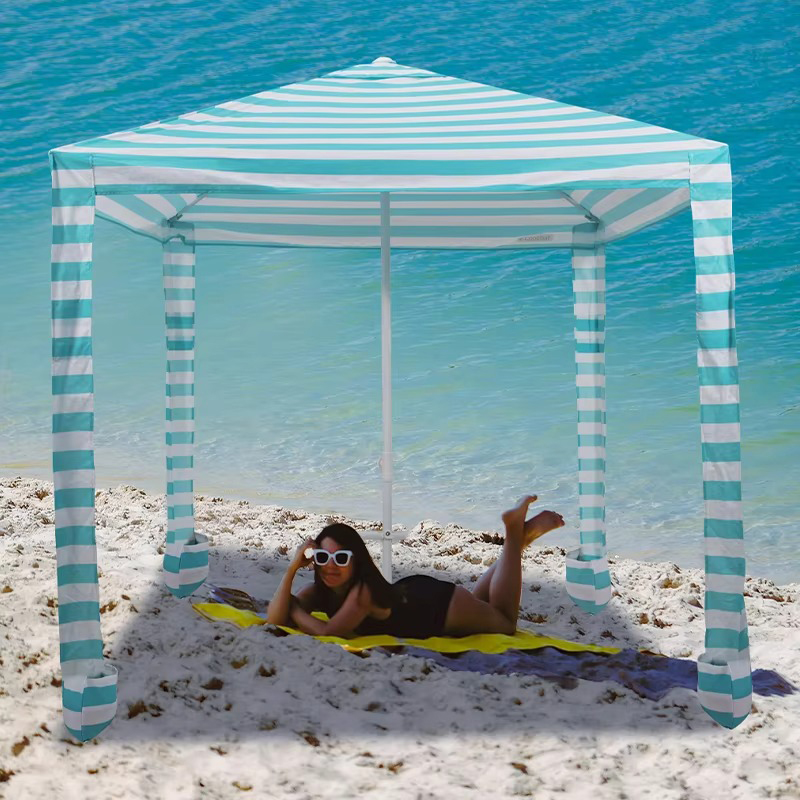 Foldable Aluminum Umbrella Tent for Versatile Weather ProtectionCombining umbrella and tent features, this hybrid has an aluminum frame and waterproof canopy, offering open shade or enclosed shelter as needed. Its folding design simplifies transport for variable coastal weather.View Product →
If you need one piece of equipment that covers multiple bases, a hybrid product like a foldable aluminum umbrella tent lets you enjoy open shade when the wind is low and then close the side panels when the breeze picks up. The choice between a tent and an umbrella is rarely permanent in a changing coastal environment.
What a Quality Shade Manufacturer Can Do For You
If you are purchasing beach shade equipment for a rental fleet, a resort, or an e-commerce brand, there is a practical layer to consider: the product rules that shape the final price and performance are set at the factory level. A manufacturer who produces both umbrellas and tents can help you choose the right equipment for your specific market.
For retailers, the key questions are:
- How many ribs does the umbrella have? Fewer than 8 means less stability in gusts.
- Is the canopy fabric 150 gsm or higher? Thinner fabric will fail under repeated UV exposure.
- Do the ribs use fiberglass, aluminum, or a mix for the best balance of weight and sturdiness?
- Is the tent floor at least 5000 mm waterproof? Lower ratings will let moisture through on wet sand.
These details matter more than any marketing claim because they determine whether customers will return the product or buy a second one from your store. A manufacturer with a longer track record in outdoor shade production will know how to avoid the common failure modes and can advise you on the right product tier for your target price point.
Frequently Asked Questions
Are beach tents better than umbrellas in high wind?
Yes. Beach tents have a lower profile and catch less wind. A sand-filled tent typically stays stable in 25-30 mph gusts, while a beach umbrella usually fails between 18 and 25 mph when anchored with standard stakes.
Which provides better sun protection: a tent or an umbrella?
They are equal on fabric-level UPF protection, but tents provide more consistent and more enclosed shade because the canopy is closer to the sand. Umbrellas cast a larger shadow that moves with the sun.
Can I use a beach umbrella in 30 mph wind?
Only if it has a heavy-duty steel pole, a wind vent, and you use a deep sand screw anchor. Even then, an umbrella is less stable than a tent at that wind speed. If you expect 30 mph gusts regularly, choose a tent or a hybrid shelter.
How long does it take to set up each option?
A beach umbrella takes 1-3 minutes. A pop-up tent takes 3-5 minutes. A traditional pole tent takes 8-12 minutes. The umbrella is much faster if you are setting up and packing up several times in one day.
What size beach umbrella do I need for 2 adults?
A 6.5-ft diameter canopy will comfortably shade two adults in low chairs. An 8-ft canopy is ideal for 2-3 adults and beach gear. If you plan to sit in taller chairs or add a small cooler, go at least 7 ft.
Are beach tents worth the extra weight?
For families with children or anyone who likes to nap on the beach, yes. For casual adult trips, a lighter umbrella is easier to transport. If you have a short walk from car to sand, the weight difference matters less.
Can I use a beach umbrella as a tent?
No. A standard beach umbrella is not an enclosed shelter. But there are hybrid canopy products that combine a tall pole, a large canopy, and removable side walls, giving you both open shade and wind protection in one unit.
What is the best UPF level for beach shade?
UPF 50 or higher. UPF 50 blocks approximately 98% of UVB rays, and UPF 100 blocks about 99%. The difference between 50 and 100 matters if you stay out for more than 4 hours at midday or you burn quickly.
How do I anchor a beach tent on loose sand?
Use the integrated sand pockets and fill them completely. For extra stability, dig a shallow trench in the wind direction and bury the sides of the tent base. Do not rely on lightweight stakes alone in loose sand.
Which should I choose for a family beach vacation?
A beach tent if you have infants or toddlers who nap or need changing. A beach umbrella if you prefer openness and faster setup. Many families start with a tent and add a small umbrella over a picnic table for the serving area.
How long does a quality beach umbrella last?
With an 8+ rib frame and 420D canopy fabric, you should get 3-5 seasons of regular use. Cheaper 6-rib models with 210D fabric last 1-2 seasons. Storing it dry and out of direct sunlight prolongs the canopy life.
Do beach tents block UV rays?
Yes, if the fabric is rated UPF 50+. The physical enclosure also blocks the sun from the sides, giving you more complete sun protection than an open umbrella. But you lose the open-air breeze in exchange.
Recommended products
Contact Us Now
Copyright 2024 @ Shaoxing Jinqiao Umbrella Co., Ltd. All Rights Reserved. OEM/ODM umbrellas manufacturers Custom Umbrellas Factory
