

 English
 中文简体
中文简体






High Quality Beach Umbrella: What to Look For Before You Buy
Posted by Admin
Content
- 1 The Short Answer: What Makes a Beach Umbrella High Quality
- 2 UV Protection: The Most Critical Feature of Any Beach Umbrella
- 3 Canopy Size and Coverage: Bigger Is Not Always Better, But Size Matters
- 4 Pole and Frame Construction: Where Quality Beach Umbrellas Separate from Cheap Ones
- 5 Wind Resistance: The Feature Most People Ignore Until They Need It
- 6 Fabric Quality and Durability: What the Canopy Is Made Of Matters Long-Term
- 7 Portability and Weight: Real-World Tradeoffs You Should Know
- 8 Top Picks by Category: High Quality Beach Umbrellas Worth Buying
- 9 How to Properly Set Up and Maintain a Beach Umbrella
- 10 Common Mistakes When Buying a Beach Umbrella
- 11 Summary: What to Prioritize When Choosing a High Quality Beach Umbrella
The Short Answer: What Makes a Beach Umbrella High Quality
A high quality beach umbrella is one that blocks at least 98% of UV rays (rated UPF 50+), holds up against winds of 25–35 mph without collapsing, and stays functional after dozens of beach trips without the canopy fading or the pole bending. That is the baseline. Anything short of those three markers is a compromise you will notice within a season.
Most people shopping for a beach umbrella focus almost entirely on price or color. That is understandable, but it leads to buying something that snaps in a gust, provides inadequate shade, or rusts after its third trip to saltwater. The difference between a $25 umbrella and a $90 one is not just branding — it is material construction, coating technology, and engineering designed for actual outdoor conditions.
This guide breaks down every meaningful factor so you can identify a genuinely high quality beach umbrella rather than one that only looks good in product photos.
UV Protection: The Most Critical Feature of Any Beach Umbrella
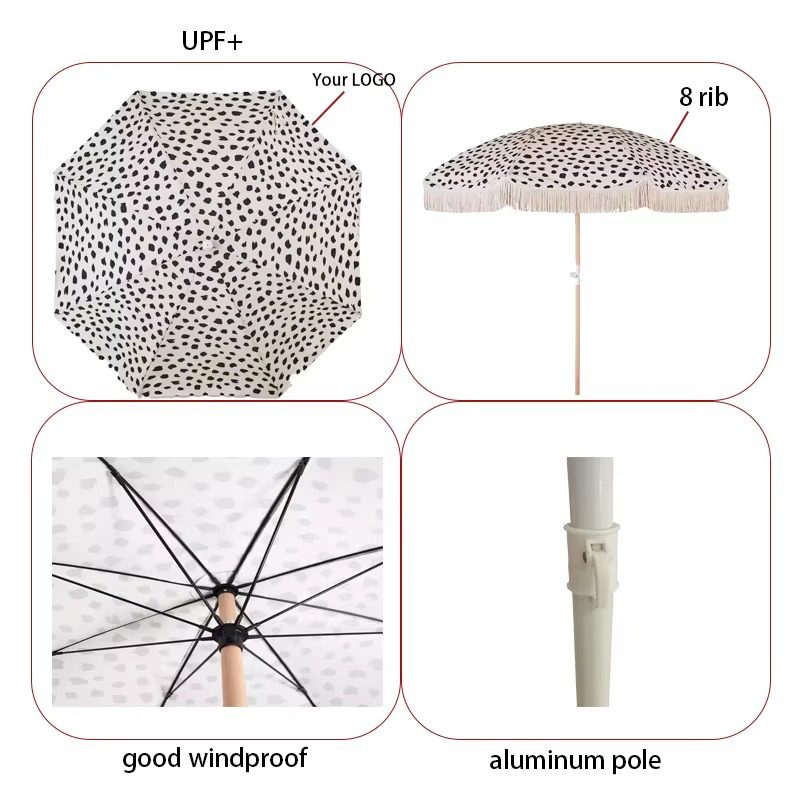
Sun protection is the entire point of a beach umbrella. Yet a significant number of products on the market — including some well-reviewed ones — do not specify their UPF (Ultraviolet Protection Factor) rating at all. That omission is a red flag.
A study published in JAMA Dermatology found that sitting under a beach umbrella alone reduced direct UV exposure by about 77% compared to sitting in full sun. However, reflective UV from sand and water can still reach you, meaning umbrella fabric quality directly affects your actual protection level. A UPF 50+ rated canopy blocks over 98% of UVA and UVB radiation, which is the standard you should be looking for.
What UPF Ratings Actually Mean in Practice
| UPF Rating | UV Radiation Blocked | Protection Category |
|---|---|---|
| UPF 15–24 | 93.3–95.9% | Good |
| UPF 25–39 | 96.0–97.4% | Very Good |
| UPF 40–50+ | 97.5–98%+ | Excellent |
Fabric weave density plays a major role here. Tightly woven polyester or solution-dyed acrylic fabrics block more UV than loosely woven materials. Some canopies also include a silver or aluminum coating on the inner lining that reflects heat and radiation back away from users — this feature is worth looking for specifically in premium beach umbrella models.
One thing often overlooked: UV protection degrades with use. A canopy that starts at UPF 50+ may drop below UPF 30 after two or three seasons if the fabric is not UV-stabilized during manufacturing. High quality beach umbrellas use solution-dyed fabrics — where the color is embedded into the fiber rather than printed on top — which resist fading and maintain UV-blocking capability far longer than surface-dyed alternatives.
Canopy Size and Coverage: Bigger Is Not Always Better, But Size Matters
The canopy diameter of a beach umbrella determines how many people it can realistically shade and how effectively it blocks the sun as it moves across the sky throughout the day. Standard beach umbrellas range from 6 feet to 8 feet in diameter. Here is how to think about sizing:
- 6 feet: Suitable for one adult lounger or a small child plus one adult. Works for solo travelers or couples willing to sit close together.
- 6.5 to 7 feet: A practical midpoint for two adults. Most commonly sold size in the mid-range market.
- 7.5 to 8 feet: Covers two adults and a child comfortably. Required for families or anyone who brings folding chairs and a cooler.
- 9 feet and above: Heavy-duty or commercial-grade umbrella territory. Not common for personal beach use due to weight and pack size.
Beyond raw diameter, canopy tilt matters enormously. The sun is rarely directly overhead — it is almost always at an angle, and without a tilt mechanism, you lose effective coverage within an hour or two as the sun shifts. Look for a beach umbrella with at least a 30-degree tilt range, preferably with a locking mechanism so it does not slowly drift back to vertical in a breeze.
Canopy shape also influences shade coverage. A flat canopy provides more direct overhead shade, while a vented dome canopy allows airflow and resists wind better. Some premium beach umbrella designs combine a flat canopy with a secondary vented upper section — this is often the best of both worlds for hot, breezy conditions.
Pole and Frame Construction: Where Quality Beach Umbrellas Separate from Cheap Ones
The pole is the structural backbone of a beach umbrella, and it is where a lot of budget products cut corners in ways that are not visible until you are on the sand watching your umbrella cartwheel down the beach in a 20 mph gust.
Pole Material Comparison
| Material | Weight | Corrosion Resistance | Strength | Best For |
|---|---|---|---|---|
| Fiberglass | Medium | Excellent | High (flex without breaking) | Windy coastal beaches |
| Aluminum | Light | Very Good | Good (can bend under extreme load) | General beach use, portability focus |
| Steel | Heavy | Poor (rusts without coating) | Very High | Budget options, inland or pool use |
| Carbon Fiber | Very Light | Excellent | Very High | Premium/performance use |
For saltwater beach environments, steel poles without a quality protective coating will begin to rust after just a few uses. Aluminum is the most common choice in mid- to high-range beach umbrellas for good reason — it is light, does not corrode, and is strong enough for the vast majority of beach conditions. Fiberglass ribs (the spokes supporting the canopy) are often found on higher-end models and offer a meaningful advantage: they flex under wind load instead of snapping.
Pole diameter is another spec worth checking. A pole diameter of at least 1.25 inches provides meaningfully better stability than the 0.75-inch poles found on cheap umbrella models. Thicker poles also anchor more securely in sand, which reduces the risk of the umbrella becoming a projectile in wind — a genuine safety hazard that results in injuries on crowded beaches every summer.
Sand Anchor Design
The spike or anchor at the base of the pole determines how well the beach umbrella stays planted. Corkscrew-style anchors — where the base is designed to be screwed into the sand with a twisting motion — hold significantly better than straight spike designs, especially in dry, loose sand. Some premium models include a separate auger anchor that you install first and then slide the pole into, which can hold even in very soft sand conditions.
Wind Resistance: The Feature Most People Ignore Until They Need It
Wind resistance is where more beach umbrellas fail than any other single factor. Coastal winds regularly reach 15–25 mph even on calm-seeming days, and gusts can spike well beyond that. A beach umbrella that cannot handle sustained 20 mph wind is a liability, not a sun shade.
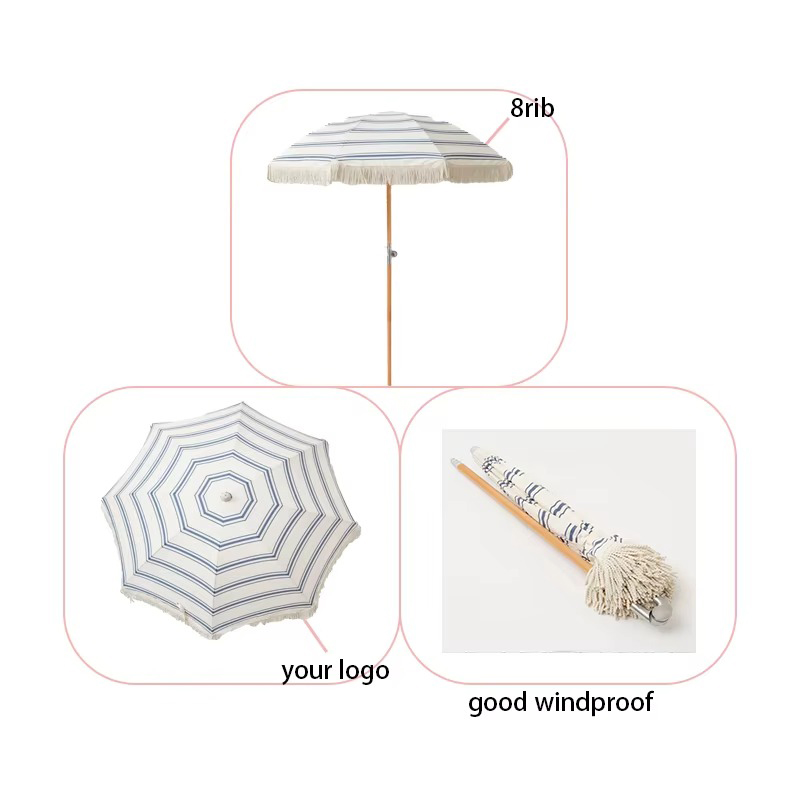
The two design features that most directly affect wind resistance are canopy venting and rib construction. A vented canopy has an opening at the top — either a small chimney vent or a double-canopy design — that allows wind to pass through rather than catching it like a sail. This single feature can be the difference between an umbrella that stays planted and one that lifts off and injures someone nearby.
According to data from beach safety organizations, wind-blown beach umbrellas cause thousands of injuries annually in the United States alone. The Consumer Product Safety Commission has flagged this as an underreported hazard, with incidents spiking on days with moderate to high onshore winds. A properly anchored, vented beach umbrella dramatically reduces this risk compared to unvented designs or improperly anchored poles.
Wind Resistance Checklist for Beach Umbrellas
- Canopy includes at least one vent — double-canopy designs are best
- Pole diameter is 1.25 inches or larger
- Corkscrew or auger-style sand anchor
- Fiberglass ribs (flex instead of snap)
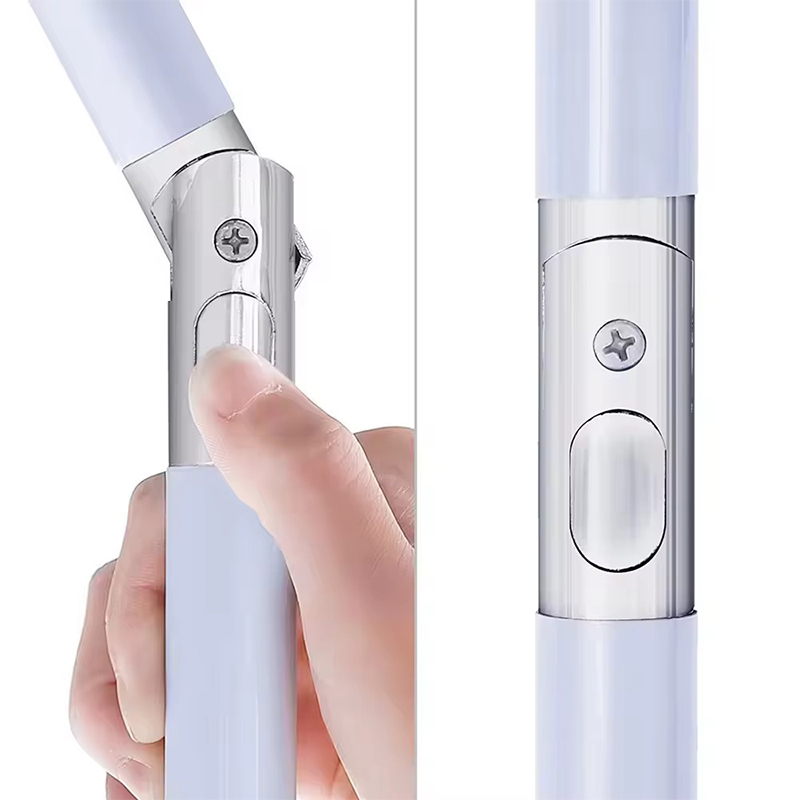
- Tilt mechanism with a locking position (reduces wind surface area when tilted)
- Manufacturer lists a rated wind speed (legitimate brands test and disclose this)
If a beach umbrella manufacturer does not disclose a wind resistance rating and the pole is under 1 inch in diameter, treat it as a fair-weather-only product — fine for calm days, genuinely dangerous in anything resembling actual beach wind conditions.
Fabric Quality and Durability: What the Canopy Is Made Of Matters Long-Term
The canopy fabric of a high quality beach umbrella needs to withstand repeated exposure to UV radiation, saltwater spray, sand abrasion, and moisture. Not all fabrics do this equally well, and fabric quality is one of the clearest distinctions between premium and budget beach umbrellas.
Polyester vs. Acrylic Canopy Fabrics
Most beach umbrellas use either polyester or acrylic fabric. Here is how they compare in practical terms:
- Polyester: Common in mid-range beach umbrellas. Lightweight, relatively affordable, and reasonably UV resistant when coated. Tends to fade faster than acrylic over multiple seasons. Can feel hot underneath due to lower breathability.
- Solution-dyed acrylic (e.g., Sunbrella): The gold standard for outdoor fabric. Color is embedded in the fiber during production, not printed on top, which means it does not fade under UV exposure. Water-resistant, mold-resistant, and maintains UPF ratings over many seasons. Significantly more expensive but measurably more durable.
- Olefin/Polypropylene: Found in some budget options. Poor UV stability — degrades and fades faster than either polyester or acrylic in sun exposure. Not recommended for regular beach use.
Sunbrella-brand fabric, the most recognized solution-dyed acrylic in the outdoor market, carries a 5-year warranty against fading and UV degradation. That alone illustrates the difference in expected lifespan between fabric tiers. A beach umbrella with a Sunbrella canopy is a multi-year investment; a polyester canopy umbrella may need replacing after a single heavy-use season.
Water and Mold Resistance
Beach umbrellas frequently get wet — from ocean spray, sudden rain, or being stored while damp. Fabrics without water-resistant treatment will absorb moisture, creating conditions for mildew to develop. Mildew not only smells unpleasant but degrades the fabric weave, reducing UV protection over time. A quality beach umbrella canopy should either be inherently water-resistant (as with solution-dyed acrylic) or treated with a durable water repellent (DWR) finish.
Portability and Weight: Real-World Tradeoffs You Should Know
A beach umbrella that offers every premium feature but weighs 15 pounds and packs down to the size of a golf bag is impractical for most people. Weight and packability are genuine quality-of-life factors, not secondary concerns.
Most beach umbrellas weigh between 2 and 7 pounds. Here is where different weight classes land in practical use:
- Under 3 lbs: Very portable. Typically smaller canopy (6 feet or less) with aluminum or thin fiberglass pole. Best for solo travelers or anyone who values ease of carry above all else. Usually a compromise on wind resistance.
- 3–5 lbs: The sweet spot for most users. Large enough canopy, solid pole construction, and still manageable to carry across a beach with a chair and cooler.
- 5–8 lbs: Usually corresponds to larger canopy diameter (7.5–8 feet) or heavier-duty construction. Better stability, but you will feel the weight on a long beach walk.
- Over 8 lbs: Commercial or heavy-duty range. Not typical for personal beach umbrellas.
Carry bag design matters more than people expect. A high quality beach umbrella should include a carry bag or sleeve that actually fits the packed umbrella without forcing it. Bags with shoulder straps or padded handles make a meaningful difference when you are carrying multiple beach items. Some premium models include a bag with both a shoulder strap and a clip to attach to a beach bag or stroller.
Also check whether the umbrella breaks down into multiple sections for packing. Two-section poles pack shorter and are easier to store in a car trunk or carry-on luggage than single-piece poles — and well-designed two-section poles do not sacrifice structural integrity at the joint when the umbrella is in use.
Top Picks by Category: High Quality Beach Umbrellas Worth Buying
Rather than ranking by price alone, here are standout beach umbrella options organized by what they do best — based on widely documented performance characteristics across verified user feedback and manufacturer specifications.
Best for UV Protection
Models featuring a double-canopy design with a UPF 50+ silver-coated inner lining offer the highest measurable sun protection currently available in consumer beach umbrellas. The Coolibar UPF 50+ Beach Umbrella is a frequently cited example, with a coated canopy specifically engineered for maximum UV block rather than simply meeting the minimum UPF 50 threshold.
Best for Wind Resistance
The Tommy Bahama 7-foot beach umbrella with a corkscrew anchor and vented canopy has a long track record of positive performance in real coastal conditions and is one of the most commonly recommended options in this segment. EasyGo Products' UPF 50+ beach umbrella with its built-in sand anchor system is another strong performer in this category, particularly in soft or dry sand conditions where conventional spikes struggle.
Best Premium/Long-Term Investment
Beach umbrellas using Sunbrella-brand fabric canopies — including offerings from Frankford Umbrellas and several commercial-grade suppliers — represent the highest-durability option for people who use their beach umbrella heavily across multiple seasons. The upfront cost is considerably higher, but the per-use cost over time typically comes out lower than replacing a budget umbrella every one to two seasons.
Best Budget Option That Does Not Compromise on Safety
At the more affordable end, Sport-Brella and AmazonBasics offer beach umbrellas in the $30–$50 range that still include key safety and UV features — vented canopy designs, UPF 50+ ratings, and tilting mechanisms. These are reasonable choices for occasional use but should not be expected to hold up to the same standard as mid- to high-range products under heavy or frequent use.
How to Properly Set Up and Maintain a Beach Umbrella
Even the highest quality beach umbrella will underperform or become dangerous if set up incorrectly. Proper installation and care extend the life of the product significantly.
Correct Installation in Sand
- Find a location away from other beachgoers — not only for safety but to give yourself room to angle the umbrella correctly.
- Use a corkscrew motion to drive the spike or anchor into the sand, aiming for at least 12–18 inches of depth. Shallow anchoring is the single most common reason beach umbrellas blow away.
- Angle the pole slightly into the prevailing wind — typically a 5–10 degree lean into the wind. This reduces lift force on the canopy.
- Tilt the canopy to face the sun rather than leaving it vertical. This provides better shade and also reduces the wind-catching surface area of the canopy.
- Check the anchor depth and umbrella stability every 30–60 minutes as wind conditions and sand shift throughout the day.
Maintenance After Beach Use
- Rinse the canopy and pole with fresh water after saltwater exposure. Salt is corrosive and accelerates degradation of both fabric and metal components.
- Allow the canopy to dry fully before folding and storing. Packing a damp beach umbrella into a bag is the fastest way to develop mildew, even on quality fabrics.
- Inspect the ribs and pole joints for bending or cracking at the end of each season. Small structural issues caught early prevent failures at the beach.
- Store the umbrella horizontally or in a UV-protected environment during the off-season. Extended storage in direct sun degrades fabric and can warp plastic components.
- Reapply a DWR spray treatment to polyester canopies annually to maintain water repellency.
Common Mistakes When Buying a Beach Umbrella
Understanding what separates a good purchase from a regrettable one saves money and frustration over the long run. These are the most common missteps buyers make when shopping for a beach umbrella.
- Buying based on aesthetics alone. Color and pattern are the most visible features in a product listing. They are also entirely irrelevant to performance. A visually appealing umbrella with no UPF rating and a thin steel pole will fail in both safety and durability.
- Ignoring pole diameter. This single spec predicts stability better than almost any other. Under 1 inch is a warning sign; 1.25 inches or above is the standard for a genuinely durable beach umbrella.
- Assuming all UPF 50+ claims are equal. UPF ratings can be self-reported or third-party tested. Look for products where the UPF rating is certified by an independent lab (ASTM or AATCC testing standards).
- Choosing the lightest option available without checking canopy size. Light weight usually means a smaller canopy. If you are bringing a family, a 6-foot umbrella will not provide sufficient shade, no matter how easy it is to carry.
- Not verifying the tilt mechanism before buying. A fixed-angle beach umbrella without tilt capability loses most of its usefulness as the day progresses. Tilt is not a premium feature — it is a baseline requirement for practical use.
- Skipping fresh water rinse after beach use. This is a maintenance error that shortens the lifespan of even the best beach umbrella significantly. Salt residue on metal components and fabric accelerates corrosion and degradation faster than almost any other factor under your control.
Summary: What to Prioritize When Choosing a High Quality Beach Umbrella
Narrowing down all of the above into a practical decision framework — here is what actually matters in order of importance:
- UPF 50+ canopy with certified third-party testing — non-negotiable for actual sun protection
- Pole diameter of 1.25 inches or greater — the baseline for structural stability
- Vented canopy design — critical for wind safety and stability in coastal conditions
- Corkscrew or auger sand anchor — dramatically improves holding power vs. straight spikes
- Tilt mechanism with locking position — essential for functional shade as the sun moves
- Solution-dyed or coated fabric — determines long-term color retention and UV protection durability
- Canopy size matched to your actual needs — do not undersize for a family or oversize for solo use
A beach umbrella is not a background purchase — it sits above you and everyone you bring to the beach for hours at a time. Spending an additional $40–$60 over the cheapest available option consistently yields a product that performs better in the conditions you will actually encounter, lasts multiple seasons rather than one, and does not create a safety hazard in wind. That is the case for choosing quality, and it holds up every time.
Recommended products
Contact Us Now
Copyright 2024 @ Shaoxing Jinqiao Umbrella Co., Ltd. All Rights Reserved. OEM/ODM umbrellas manufacturers Custom Umbrellas Factory
