

 English
 中文简体
中文简体






7.5 ft Beach Umbrella: Size, Shade Coverage & Buying Guide
Posted by Admin
Content
- 1 Is a 7.5 ft Beach Umbrella the Right Size for You?
- 2 How Much Shade Does a 7.5 ft Beach Umbrella Actually Provide?
- 3 Key Features to Look for in a 7.5 ft Beach Umbrella
- 4 7.5 ft vs Other Common Beach Umbrella Sizes
- 5 Best Canopy Materials for a 7.5 ft Beach Umbrella
- 6 How to Properly Anchor a 7.5 ft Beach Umbrella
- 7 Top Design Styles in 7.5 ft Beach Umbrellas
- 8 Caring for Your 7.5 ft Beach Umbrella to Maximize Its Lifespan
- 9 What to Expect at Different Price Points
- 10 Beach Umbrella Accessories Worth Pairing With a 7.5 ft Canopy
- 11 Frequently Asked Questions About 7.5 ft Beach Umbrellas
- 11.1 How many people can fit under a 7.5 ft beach umbrella?
- 11.2 Can I use a 7.5 ft beach umbrella in a pool or backyard setting?
- 11.3 Is a 7.5 ft beach umbrella allowed on all public beaches?
- 11.4 How do I clean the canopy of my beach umbrella?
- 11.5 What wind speed is too much for a 7.5 ft beach umbrella?
Is a 7.5 ft Beach Umbrella the Right Size for You?
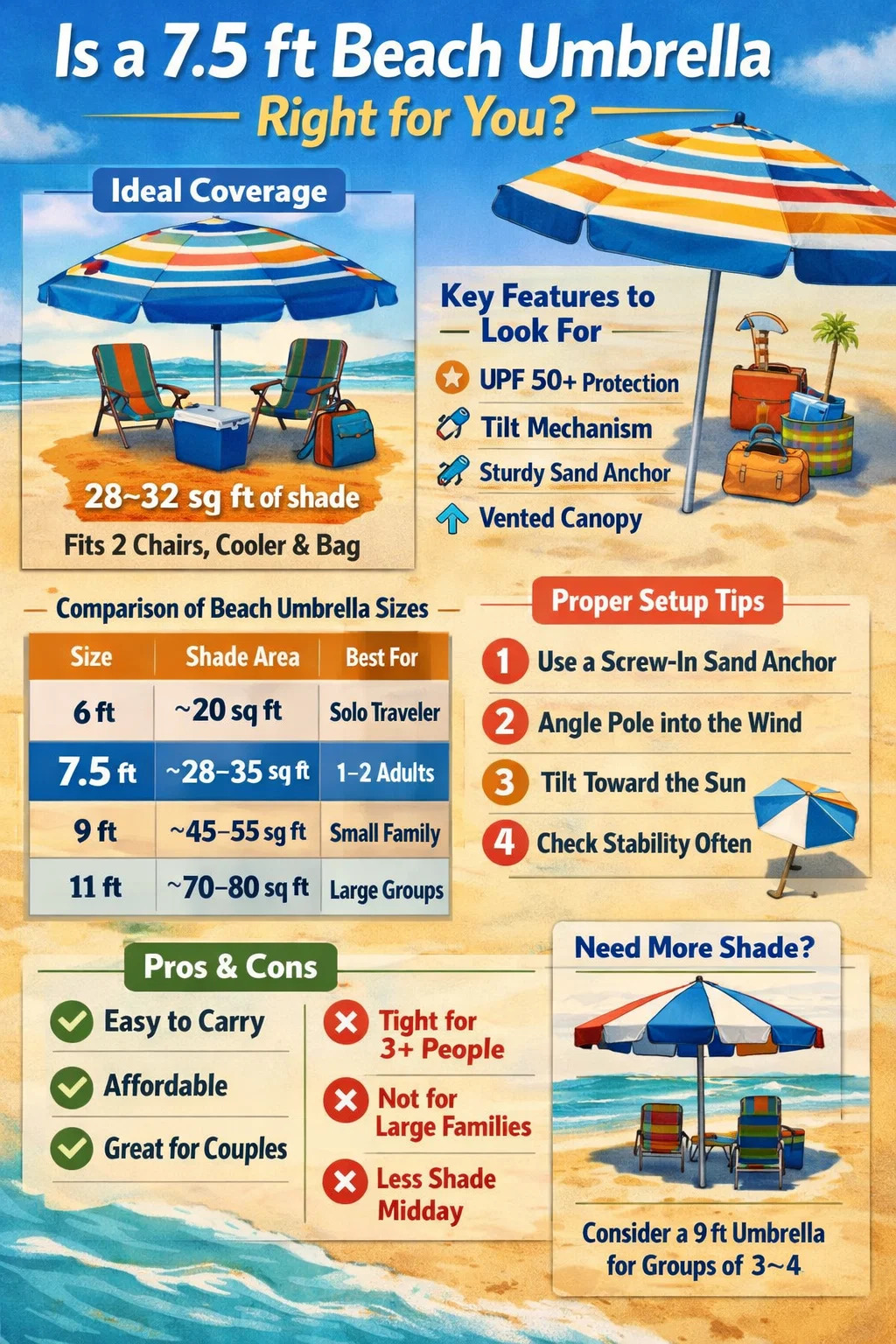
The short answer: a 7.5 ft beach umbrella is the most popular size on the market for good reason — it covers roughly 28 to 32 square feet of shaded area, which is enough for two beach chairs, a cooler, and a bag without anyone sitting in direct sunlight. If you are shopping alone or for a couple, a 7.5 ft canopy hits the sweet spot between portability and practical coverage. For groups of three or more, you might want to look at 9 ft options, but for most beach trips, 7.5 ft is the go-to.
A beach umbrella in this size range typically weighs between 3.5 and 6 pounds depending on materials — light enough to carry from the car to the shore without breaking a sweat. The pole diameter usually runs between 1 inch and 1.5 inches, and the canopy sits high enough to stand under comfortably when the sun is directly overhead. These dimensions make 7.5 ft the standard for casual beach use, solo travelers, and couples who want reliable shade without hauling a large rig.
How Much Shade Does a 7.5 ft Beach Umbrella Actually Provide?
The diameter of the canopy is measured from tip to tip across the widest point. A 7.5 ft beach umbrella produces a shaded footprint of approximately 44 square feet when the sun is at its highest angle — that's the theoretical maximum. In real-world use, with the umbrella tilted toward the sun (as most people do), you can realistically count on around 28 to 35 square feet of usable shade. That covers two standard beach chairs placed side by side with 12 to 18 inches of buffer on each side.
Shade coverage shifts throughout the day as the sun moves. Early morning and late afternoon, the shadow stretches out and grows — sometimes covering a much larger area than the umbrella's nominal size suggests. Midday between 11 a.m. and 2 p.m., when UV index peaks, the shadow shrinks and pools directly beneath the canopy. This is why tilting your beach umbrella into the sun is essential: most quality 7.5 ft models include a tilt mechanism that lets you angle the canopy 30 to 45 degrees, dramatically extending the effective shade zone during peak hours.
If you have young children, keep in mind that kids tend to sprawl. A 7.5 ft umbrella works for one adult plus one or two small children, but two adults with active kids might feel cramped. In that case, two separate 7.5 ft umbrellas side by side is a common solution that many experienced beachgoers prefer over a single oversized canopy that's harder to anchor.
Key Features to Look for in a 7.5 ft Beach Umbrella
Not all beach umbrellas in the 7.5 ft category are built the same. The price range runs from about $25 to well over $150, and those differences reflect genuine variations in materials, wind resistance, UV protection, and usability. Here's what actually matters:
UPF Rating
Look for a canopy fabric rated UPF 50+, which blocks 98% or more of UVA and UVB radiation. Many budget umbrellas use thin polyester that offers UPF 30 or less — technically a "sun umbrella" but not adequate for extended time on reflective sand and water. Silver-coated or double-layer canopy fabrics consistently outperform single-layer polyester, especially after multiple washes and seasons of UV exposure.
Pole Material and Anchor Style
Steel poles are heavy but extremely wind-resistant. Fiberglass poles flex rather than snap in gusts, making them safer on crowded beaches. Aluminum poles are the lightest option — ideal if you walk a long distance from parking — but they bend more easily under strong lateral wind loads. For a 7.5 ft canopy, a 1.25-inch diameter aluminum or steel pole provides adequate stability when properly anchored.
The anchor system matters enormously. A screw-in sand anchor (also called a spiral or corkscrew anchor) holds dramatically better than a straight push-in spike. Studies by the American Beach Umbrella Safety Alliance show that improperly anchored beach umbrellas become dangerous projectiles in winds as low as 20 mph. A correctly installed screw-in anchor can hold a 7.5 ft beach umbrella in sustained winds up to 35 mph, depending on sand density and moisture.
Tilt Mechanism
A push-button or flip-lock tilt is standard on most mid-range 7.5 ft beach umbrellas. The best designs allow adjustment in 15-degree increments so you can track the sun without re-anchoring. Avoid models where the tilt is achieved only by physically leaning the pole — over the course of a full beach day, the anchor loosens and the umbrella gradually drifts back to vertical.
Canopy Ventilation
A double-canopy or vented top panel allows wind to pass through rather than lift the entire umbrella. This feature is non-negotiable for coastal locations where afternoon sea breezes are common. Single-canopy umbrellas without venting act like a sail in crosswinds, even when well-anchored. Many 7.5 ft models add a small secondary canopy that sits 4 to 6 inches above the main fabric, creating a ventilation gap that reduces uplift force by up to 30%.
7.5 ft vs Other Common Beach Umbrella Sizes
Size comparisons are useful when you're deciding between models or buying for a specific group size. The table below covers the most common beach umbrella diameters and what each is best suited for:
| Diameter | Shade Area (approx.) | Weight Range | Best For |
|---|---|---|---|
| 6 ft | ~20 sq ft | 2–4 lbs | Solo traveler, ultralight packing |
| 7.5 ft | ~28–35 sq ft | 3.5–6 lbs | 1–2 adults, most common use case |
| 9 ft | ~45–55 sq ft | 6–10 lbs | Small family, 3–4 people |
| 11 ft | ~70–80 sq ft | 12–20 lbs | Large groups, semi-permanent setup |
The 7.5 ft category is where the widest range of designs, colors, and price points exist — because that's what the market demands most. If your primary concern is portability, the 7.5 ft size is still manageable as a carry-on item on most airlines when packed in a travel bag under 62 linear inches. A 9 ft umbrella typically exceeds that limit and incurs checked baggage fees.
Best Canopy Materials for a 7.5 ft Beach Umbrella
Canopy fabric affects UV protection, color longevity, heat buildup, and overall durability. Here are the most common materials used in 7.5 ft beach umbrellas and what each delivers in practice:
- Olefin (Polypropylene): The gold standard for outdoor fabric. Highly resistant to mold, mildew, chlorine, and UV degradation. Colors stay vivid season after season. More expensive than polyester but worth it for anyone who uses their beach umbrella more than 15 times a year.
- Solution-dyed acrylic (e.g., Sunbrella): Premium material with the dye embedded in the fiber rather than applied to the surface. Extremely fade-resistant. Often used in commercial-grade beach umbrellas. A 7.5 ft Sunbrella beach umbrella typically costs $90–$200 but lasts 5 to 10 years with basic care.
- Polyester with UV coating: Most budget beach umbrellas use 170T or 190T polyester with a surface UV treatment. The coating degrades after 1–2 seasons of heavy use, reducing UPF from 50+ to 20–30. Acceptable for occasional use; not ideal for summer-long deployment.
- Nylon: Lightweight and often used in compact travel beach umbrellas. Provides reasonable UPF protection when densely woven but is generally less durable than olefin or acrylic in high-UV coastal environments.
- Natural canvas: Used in some artisan and retro-style beach umbrellas. Heavy, absorbs water, and requires careful drying to prevent mildew. Provides excellent shade density but is less practical than synthetic options for most beachgoers.
For a 7.5 ft beach umbrella used regularly throughout a summer season, olefin or solution-dyed acrylic is the most cost-effective choice over a multi-year horizon. If you only hit the beach three or four times a year, a quality polyester model at $40–$70 will likely serve you fine for two to three seasons before fading becomes noticeable.
How to Properly Anchor a 7.5 ft Beach Umbrella
Beach umbrella safety is a real concern. In 2014, a Virginia Beach study found that approximately 2,800 people were injured by beach umbrellas annually in the United States, the majority from improperly anchored umbrellas that became airborne in wind. A properly installed 7.5 ft beach umbrella is safe; an improperly installed one is a genuine hazard to you and everyone nearby.
Follow these steps every time you set up:
- Choose a spot where the sand is slightly damp — wet sand is denser and holds anchors better than dry surface sand.
- If using a screw-in anchor, rotate clockwise while applying downward pressure until the top of the anchor is flush with the sand surface. Then insert the pole into the anchor sleeve.
- If using a straight push-in pole, angle it approximately 30 degrees into the wind (not vertical) and push at least 18 inches deep. The wind load on the canopy will press the pole more firmly into the sand at this angle rather than pulling it out.
- Open the canopy and tilt it into the sun or wind. A canopy facing into the wind has less lateral force on the anchor than one broadside to the wind.
- Check stability every 30 to 45 minutes. Sand shifts as the tide changes and as foot traffic passes nearby. If the anchor feels loose, remove, re-pack the hole with wet sand, and reset.
- Close the canopy if winds exceed 25 mph or if a storm approaches. No anchor system is designed for gale-force conditions.
Some beaches now require permits or have specific rules about umbrella anchoring. Hilton Head Island, South Carolina, for example, has regulations about umbrella placement relative to the water line and neighboring setups. Check local beach authority guidelines before your visit.
Top Design Styles in 7.5 ft Beach Umbrellas
The functional specs of a beach umbrella are only half the story. Aesthetics matter too — you're spending hours underneath it. Here are the dominant design categories you'll encounter:
Striped Canopy (Classic Beach Style)
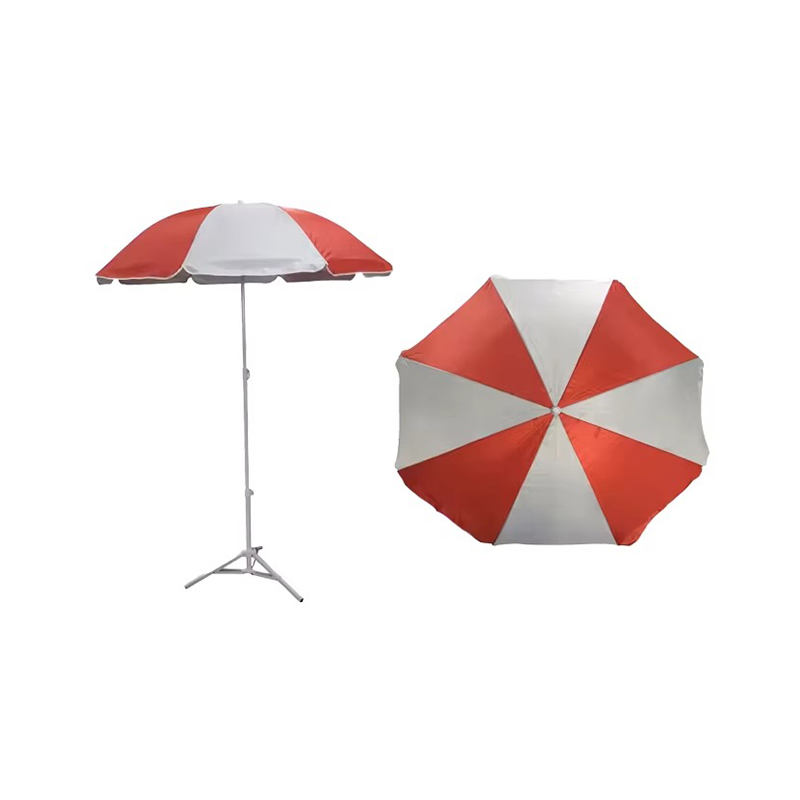
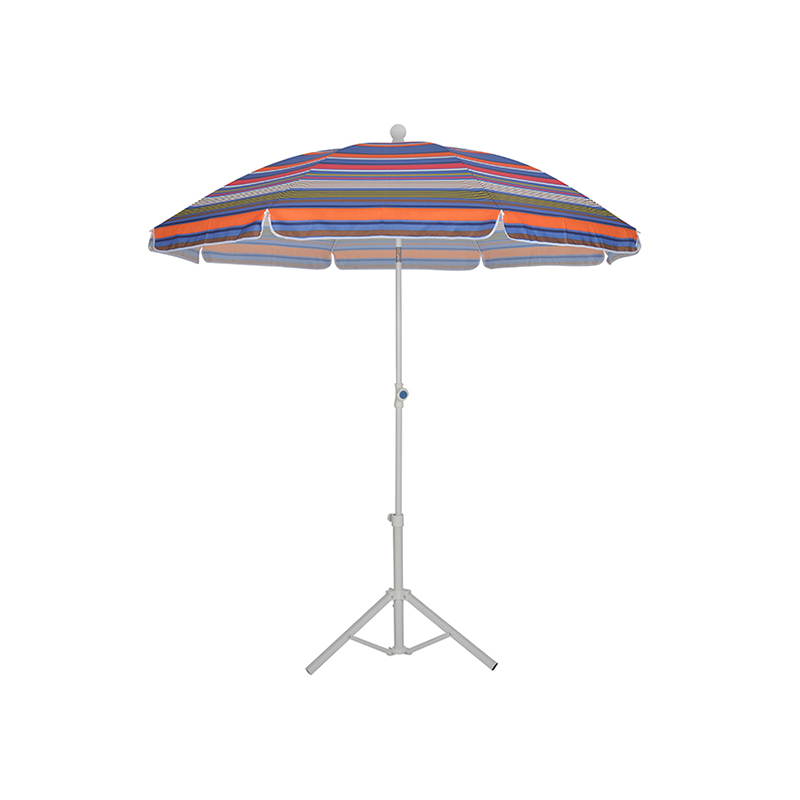
The multicolor stripe is the most iconic beach umbrella pattern. Bold vertical stripes in red, blue, yellow, or green reflect a portion of visible light, which slightly reduces heat buildup under the canopy compared to solid dark colors. Light-colored stripes also make it easier to spot your umbrella from the water — a practical benefit on a crowded beach.
Solid colors project a cleaner, more minimalist look. White canopies reflect the most sunlight and keep the space beneath noticeably cooler than dark colors — research on canopy temperature differentials shows white fabric can reduce the temperature under the umbrella by 5 to 10°F compared to black at peak solar intensity. Navy and charcoal are popular for a more refined aesthetic but absorb more heat.
Tropical Print
Floral, palm, and tropical patterns are widely available in the 7.5 ft category. These are almost exclusively polyester fabrics with screen-printed graphics. They look striking when new but the printed surface tends to crack or fade faster than solution-dyed or woven-color fabrics. If visual appeal is a priority and longevity is secondary, tropical prints deliver a lot of personality for a modest price.
Boho and Tassel-Edged
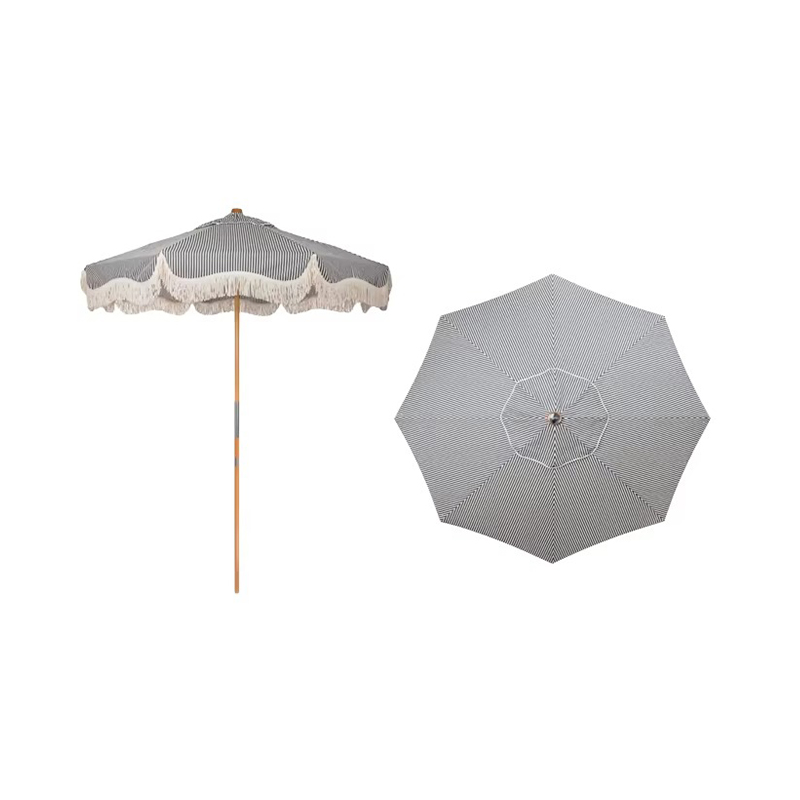
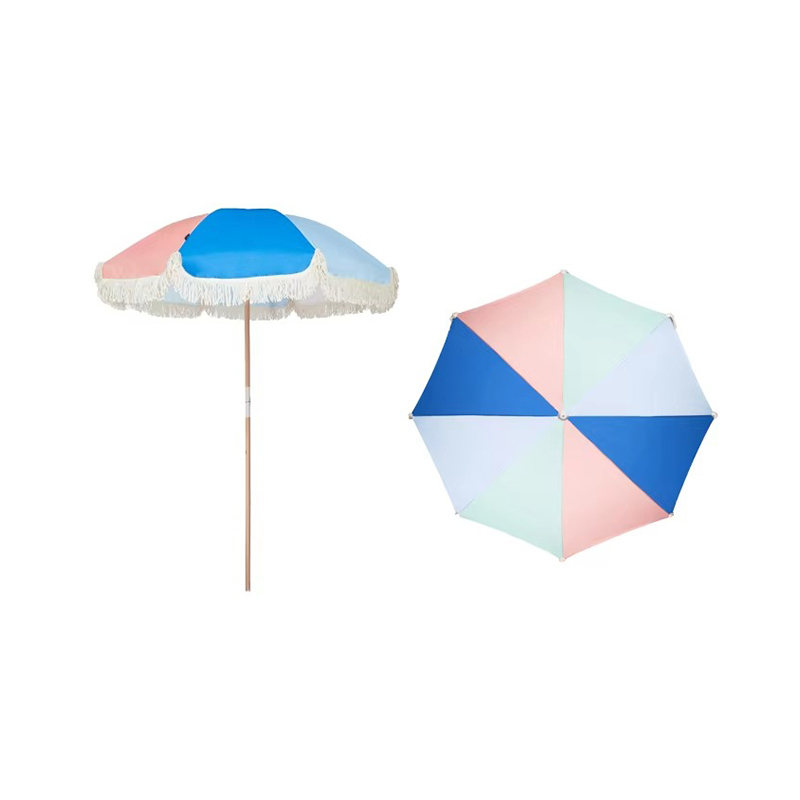
Fringe and tassel details have become increasingly popular in beach umbrella design over the last decade. Beyond aesthetics, fringe actually has a functional effect: it increases the canopy's surface area around the perimeter, which helps dissipate wind energy and can reduce the risk of the umbrella inverting in gusts. A 7.5 ft beach umbrella with a 3 to 4 inch fringe edge combines visual appeal with marginal aerodynamic benefit.
Caring for Your 7.5 ft Beach Umbrella to Maximize Its Lifespan
Most beach umbrellas fail prematurely not because of inherent material weakness but because of avoidable maintenance oversights. With basic care, a quality 7.5 ft model should last 3 to 7 seasons.
- Rinse with fresh water after every beach trip. Salt accelerates corrosion in metal pole joints and ribs, and it degrades synthetic fabric coatings faster than UV exposure alone. A quick rinse removes the majority of salt residue.
- Dry fully before storing. Storing a damp beach umbrella in a bag or closet creates ideal conditions for mold and mildew, which permanently stain fabric and weaken fiber structure. Leave it open in a shaded, ventilated spot for at least two hours after rinsing.
- Lubricate moving joints annually. The tilt mechanism, pole connections, and rib joints benefit from a light application of silicone-based lubricant (not petroleum-based, which degrades plastic and rubber components) at the start of each season. This prevents the frustrating situation of a tilt mechanism that seizes up mid-season.
- Store in a protective bag or tube. Most 7.5 ft beach umbrellas come with a carry bag — actually use it for off-season storage. It protects the canopy from dust and incidental UV exposure from garage or shed windows, and keeps the ribs from bending under the weight of items stored on top.
- Inspect ribs before each season. Rib failure is the most common structural issue in beach umbrellas. Check each rib from hub to tip for cracks, bends, or loose connectors. Many manufacturers sell replacement ribs, and a $5 to $10 replacement rib extends the life of an otherwise functional umbrella significantly.
What to Expect at Different Price Points
Budget matters. Here's an honest breakdown of what you actually get at each price tier in the 7.5 ft beach umbrella market:
| Price Range | Pole Material | Canopy Fabric | Typical UPF | Expected Lifespan |
|---|---|---|---|---|
| $20–$45 | Thin steel or aluminum | Coated polyester | 30–50+ | 1–2 seasons |
| $50–$90 | Fiberglass or thicker aluminum | Dense polyester or olefin blend | 50+ | 2–4 seasons |
| $100–$180 | Powder-coated steel or solid fiberglass | Solution-dyed acrylic (e.g., Sunbrella) | 50+ | 5–8 seasons |
The $50 to $90 range represents the best value for most buyers who use their beach umbrella 10 to 20 times per season. Spending under $45 is reasonable for occasional beach trips, but the canopy fabric on budget models typically shows significant UV degradation by the second summer, and the ribs and joints often fail before the canopy does. Premium models above $100 are a sound investment for beach house regulars, rentals, or anyone who treats their beach setup as a long-term purchase rather than a seasonal throwaway.
Beach Umbrella Accessories Worth Pairing With a 7.5 ft Canopy
A beach umbrella alone doesn't complete a beach shade setup. These accessories complement a 7.5 ft canopy and significantly improve the overall experience:
- Sand anchor (corkscrew style): If your umbrella didn't come with one, a universal screw-in sand anchor costs $10 to $25 and is one of the most impactful safety upgrades you can make. Most fit poles between 1 and 1.5 inches in diameter, covering virtually all 7.5 ft beach umbrella models.
- Side wall or wind screen: A removable fabric side panel attaches to the lower edge of the canopy and blocks low-angle afternoon sun. Particularly useful on east-facing beaches in the late afternoon when the sun drops toward the horizon and the canopy alone no longer provides adequate coverage.
- Pole clamp table: A small table that clamps directly to the umbrella pole, holding drinks, sunscreen, and phones off the sand. These attach to any standard 1 to 1.5-inch pole and keep essentials within arm's reach without taking up sand space.
- Storage hook: A simple hook or clip that attaches to the pole above head height. Keeps bags off the sand (and away from incoming tidal water) without requiring you to dig a separate anchor for bag storage.
- Carry strap or backpack carrier: A padded shoulder strap or backpack-style carrier converts your umbrella into a hands-free carry between car and beach. Particularly valuable if you're managing a chair, cooler, and other beach gear simultaneously.
Frequently Asked Questions About 7.5 ft Beach Umbrellas
How many people can fit under a 7.5 ft beach umbrella?
Comfortably, one to two adults in standard beach chairs. Three adults is possible if chairs are positioned close together, but coverage at the edges becomes limited during midday hours when the shadow footprint is smallest. For families with children under 10, two adults plus two small children is workable.
Can I use a 7.5 ft beach umbrella in a pool or backyard setting?
Yes, but you'll need a weighted base rather than a sand anchor. Most 7.5 ft beach umbrella poles fit into standard patio umbrella bases (the pole diameter of 1 to 1.5 inches is the same standard used across outdoor umbrella categories). A 40 to 50-pound weighted base is appropriate for this size canopy in light to moderate wind. Do not use a beach umbrella in concrete without securing the base — the wind load on a 7.5 ft canopy without a properly anchored base is enough to tip a lightweight stand on a gusty afternoon.
Is a 7.5 ft beach umbrella allowed on all public beaches?
Most public beaches in the United States and internationally have no restrictions on personal beach umbrella size. However, some high-traffic beaches — particularly in New Jersey, Florida, and the Carolinas — have introduced regulations requiring umbrellas to be anchored to specific standards, placed a minimum distance from the waterline, or restricted during certain seasonal windows. Check the website of the specific beach park or municipality before your trip if you're visiting a popular destination.
How do I clean the canopy of my beach umbrella?
For polyester canopies, a mild dish soap and water solution applied with a soft-bristle brush, followed by a thorough rinse, removes the majority of dirt, sunscreen stains, and salt residue. For solution-dyed acrylic fabrics like Sunbrella, the manufacturer recommends a diluted bleach solution (1/4 cup bleach per gallon of water) for mold and mildew, which the fabric can tolerate without color degradation. Never machine-wash a beach umbrella canopy — the agitation and heat damage the water-resistant coating and can distort the rib pockets.
What wind speed is too much for a 7.5 ft beach umbrella?
Close your beach umbrella when sustained winds exceed 20 to 25 mph, regardless of how well you believe it is anchored. A fully deployed 7.5 ft canopy has significant surface area, and the forces on an anchor system rise dramatically with wind speed — wind load increases with the square of velocity, meaning 30 mph wind exerts more than twice the force of 20 mph wind on the canopy. Use a wind speed app or the Beaufort scale as a guide: if you can see small waves forming on open water with whitecaps beginning to appear, it's time to take the umbrella down.
Recommended products
Contact Us Now
Copyright 2024 @ Shaoxing Jinqiao Umbrella Co., Ltd. All Rights Reserved. OEM/ODM umbrellas manufacturers Custom Umbrellas Factory
