

 English
 中文简体
中文简体






Beach Chairs and Umbrella Set: Choose a Reliable Shade System for the Shore
Posted by Admin
Content
- 1 Five Specifications That Separate a Durable Beach Set from a Disposable One
- 2 Beach Umbrella Categories Compared: Which Set Fits Your Trip
- 3 How to Match the Set to Your Beach Routine
- 4 Wind Is the Real Test: What Makes a Beach Umbrella Stay Put
- 5 Fabrics and Frames That Survive Salt, Sun, and Sand
- 6 Five Maintenance Habits That Extend the Life of Your Beach Umbrella
- 7 Frequently Asked Questions About Beach Chairs and Umbrella Sets
Picture two adults and a young child arriving at the shoreline at 10 a.m. The first hour feels fine; by noon the sun has moved overhead and the umbrella throws a short, narrow shadow. By 1 p.m. half the blanket is in full sun, and by 2 p.m. someone is holding the pole to stop it from tipping over. That sequence is the real test of any beach chairs and umbrella set.
Bottom line: a beach chairs and umbrella set is worth buying when the umbrella blocks at least 98 percent of UV radiation, spans 7 feet or more of canopy, stays planted in moderate coastal wind, and sets up in under three minutes. Anything that misses those marks tends to end up abandoned on the sand or broken within one season.
Most failures come from three specific weaknesses: a 6-foot canopy that leaves part of your seating area exposed, a hollow aluminum pole that flexes at the first gust, and no real anchoring system. A well-built umbrella avoids all three. The frame, fabric, and anchoring determine whether a set survives a full summer, regardless of how attractive the color or pattern looks in the product photo.
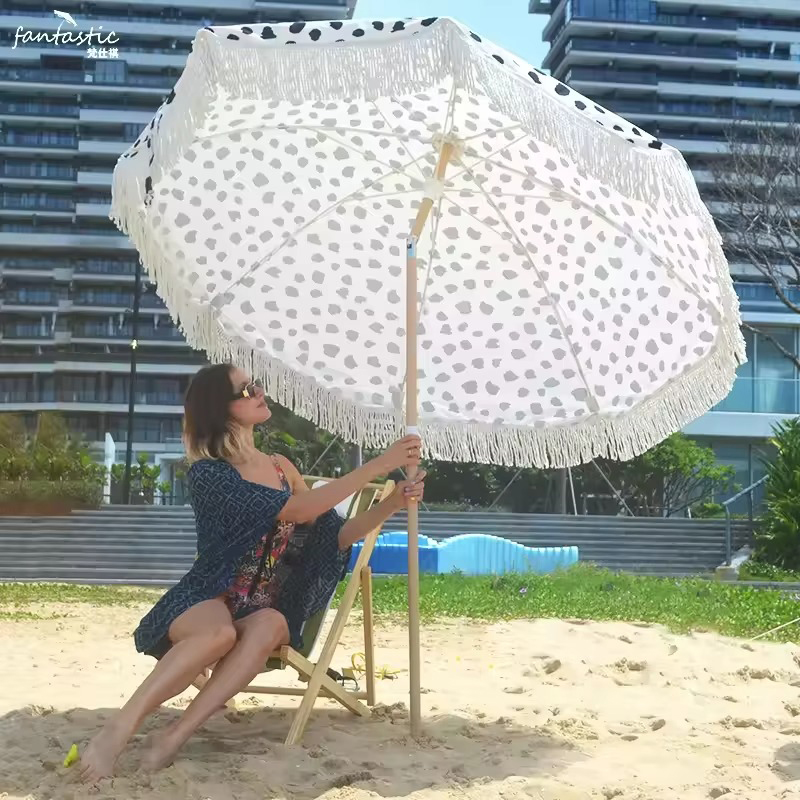
If you prefer a model that already addresses the core requirements, the UPF 50 angle-adjustable sunshade beach umbrella combines rated sunscreen fabric, a practical tilt mechanism, and a frame designed for shoreline conditions. The tilt function alone matters more than many buyers realize: a fixed vertical canopy stops shielding you effectively after about ninety minutes of sun movement.
 Custom UPF50 + Angle Adjustable Sunshade Beach Umbrella Suppliers, OEM/ODM FactoJinqiao Umbrella Co., Ltd is China OEM/ODM UPF50 + Angle Adjustable Sunshade Beach Umbrella suppliers and UPF50 + Angle Adjustable Sunsha...View Product →
Five Specifications That Separate a Durable Beach Set from a Disposable One
Comparing beach umbrellas can feel like comparing phone specifications: long feature lists with little guidance on what actually matters. Focus on five measurable points and the right choice becomes obvious.
Canopy Size and Shade Coverage
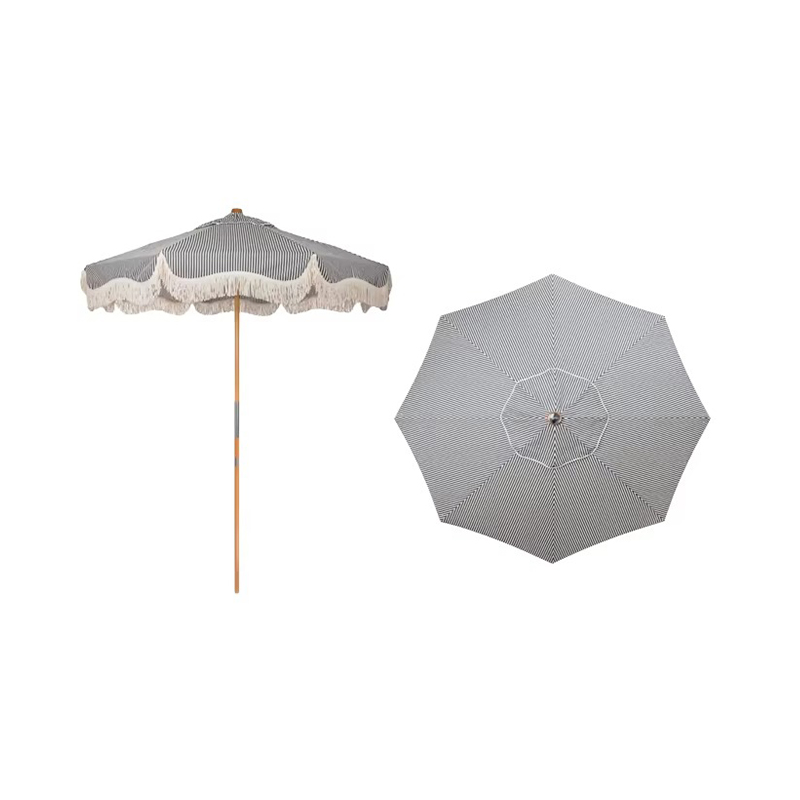
Seven feet of canopy is the practical minimum for two adults plus bags and a cooler. Six and a half feet looks acceptable in a product photo but leaves shoulders and legs exposed as the sun drops lower. For a family of four, move up to 8- to 10-foot canopies. Also keep in mind that the shape of a beach umbrella directly affects the amount of shade it provides — a scalloped canopy with a wide center panel shades differently from a uniform round canopy, and that difference shows up around mid-afternoon.
UPF Rating and Fabric Quality
UPF 50+ fabric filters approximately 98 percent of UV radiation. This is a material property, not a marketing claim, and it matters more than canopy color. A 150-denier polyester canopy is typical of entry-level umbrellas; 300-denier fabric or heavier resists tearing in wind and holds its coating longer. If you plan to leave the umbrella up for several hours, also check whether the canopy has a water-repellent finish, since a sudden coastal shower will otherwise soak through.
Frame Material and Rib Count
Frames are where budget umbrellas reveal themselves. Hollow aluminum keeps total weight at 4-6 lb but bends permanently under stress; steel is heavier and strong but prone to corrosion; fiberglass flexes and returns to shape, which is the most useful behavior on a windy shoreline; wood looks premium but adds weight and requires maintenance. Rib count matters in the same way: 8 ribs is the practical start for a 7-foot canopy, and 9-10 ribs distribute fabric tension more evenly so the canopy flutters less.
Wind Resistance and Anchoring
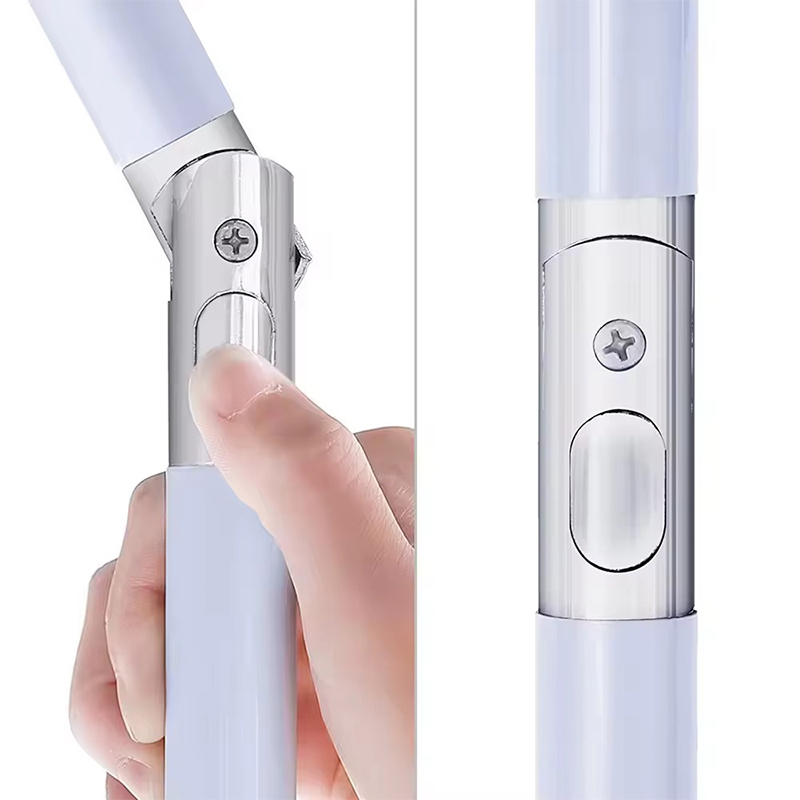
A vented canopy lets hot air escape and reduces the parachute effect that lifts the umbrella when gusts hit from the side. The anchor is part of wind behavior: an auger-style anchor screwed into wet, compact sand holds far better than a pole tip pushed into dry, loose sand. Some sets include a built-in tilt so you can follow the sun; if you are comparing models, read about what makes the angle adjustment feature beneficial for users before deciding.
Setup Speed and Portability
A beach umbrella that takes five minutes to assemble gets used less. Look for push-button tilt, a simple sliding rib mechanism, and a carry bag with a shoulder strap. Total weight should match the distance you carry it: 4-6 lb is comfortable from a parking lot, and lighter models make sense only if you are hiking. For short trips with hot, impatient kids, a portable instant sun protection beach umbrella cuts setup to under a minute.
 Custom Portable Instant Sun Protection Beach Umbrella Suppliers, OEM/ODM FactoryJinqiao Umbrella Co., Ltd is China OEM/ODM Portable Instant Sun Protection Beach Umbrella suppliers and Portable Instant Sun Protection B...View Product →
Beach Umbrella Categories Compared: Which Set Fits Your Trip
Four umbrella types cover nearly every beach scenario. The comparison below uses typical figures from coastal equipment product ranges, so treat them as planning numbers rather than strict standards.
| Type | Canopy | Best Use | Wind Capability | Setup Time | Weight |
|---|---|---|---|---|---|
| Classic Beach Umbrella | 6.5 - 7.5 ft | Couples, short beach days | Moderate | 2 - 3 minutes | 4 - 6 lb |
| Oversized Family Umbrella | 8 - 10 ft | Families, groups, all-day stays | Moderate to high | 3 - 5 minutes | 8 - 14 lb |
| Fishing Umbrella | 7 - 10 ft | Fishing, long stationary hours | High | 2 - 4 minutes | 8 - 12 lb |
| Instant Pop-Up Umbrella | 6 - 7 ft | Festivals, quick outings | Low to moderate | Under 60 seconds | 3 - 5 lb |
If you regularly cover more than two people, an oversized sunshade beach umbrella gives the extra canopy width and frame strength that a standard model lacks. Remember that a larger canopy changes both your shaded area and the forces acting on the pole, so increase rib count and anchor quality at the same time.
 Custom Oversized Sunshade Beach Umbrella Suppliers, OEM/ODM Factory - Shaoxing JJinqiao Umbrella Co., Ltd is China OEM/ODM Oversized Sunshade Beach Umbrella suppliers and Oversized Sunshade Beach Umbrella factory, Pro...View Product →
How to Match the Set to Your Beach Routine
No single set is best for everyone. Decide how you actually spend your beach day, and the right configuration becomes clear.
Family Day at the Beach
Four people anchoring a spot for six hours need an 8-foot-plus canopy and a frame that tolerates being repositioned as the sun moves. Choose a heavier anchoring option, whether an auger anchor or a weighted sand bag. The extra 4-6 lb of weight is a fair trade for not chasing a flipped umbrella across the beach. This is also the category where larger rib counts and stronger poles earn their value.
Solo Fishing Trip
Fishing is a long-stay activity: several hours under the same canopy while your attention stays on the water. A fishing umbrella with an adjustable tilt lets you follow the sun without leaving your rod. Reinforced ribs and a thicker pole matter more than fabric color. The canopy should handle occasional shoreline gusts, and the pole anchor needs to grip soft sand, where a normal umbrella base fails.
Couple's Beach Afternoon
Two adults plus a cooler fit under a 7-foot canopy with room to spare. A mid-weight aluminum frame with 8 ribs, push-button tilt, and a compact carry bag delivers the best balance of portability and strength. You do not need a heavyweight base unless the beach is noticeably windy; a simple auger anchor is usually sufficient.
Remote or Walking-Only Coastline
If the walk from the car exceeds about 300 meters, weight becomes the deciding factor. An instant-open umbrella with a short folded length and a shoulder bag is better than a heavier windproof model, because the umbrella that stays in the trunk protects nobody. Accept a slightly smaller canopy and moderate wind capacity in exchange for comfort while walking.
Wind Is the Real Test: What Makes a Beach Umbrella Stay Put
Wind, not rain, is the main reason beach umbrellas break. A gust of about 20 mph can place 30-50 lb of force on a 7-foot canopy, which is enough to snap a thin pole or pull an unanchored one out of the sand.
The canopy acts like a sail. When wind hits the underside, the fabric fills with air and lifts. If the pole cannot flex and the anchor cannot hold, the umbrella flips, bends, or slides along the sand. This is why anchoring is part of wind performance, not a separate accessory.
Three elements reduce wind damage: a vented canopy that lets air flow through the top, a fiberglass frame that bends and springs back, and an anchor buried 8-10 inches in compact, wet sand. All three work together; one alone is not enough.
Tilt also plays a role. Keeping the canopy slightly into the wind reduces lift, and following the sun extends the useful shade period. Understanding why the angle adjustment feature on a UPF 50 sunshade beach umbrella matters during a full day outdoors helps you decide whether a tilt mechanism is worth the extra cost for your pattern of beach use. In gusty conditions, never leave an umbrella unattended, and fold it down if the wind keeps climbing.
Fabrics and Frames That Survive Salt, Sun, and Sand
The materials decide how long a beach umbrella lasts. Salt air, UV, and abrasive sand attack every part of the structure, so select accordingly.
What to Look For in Canopy Fabric
300-denier polyester oxford is the workhorse material in the beach umbrella category. Heavier canvas blocks slightly more heat but weighs more and takes longer to dry. Acrylic fabric resists UV degradation well but costs more than polyester. Coatings add performance: a silver or PU back-coating reflects heat and provides extra water resistance. Double-stitched seams and reinforced webbing at the rib tips are signs that the canopy is built for coastal use.
What to Look For in the Frame
Powder-coated steel resists rust and handles wind, but its weight makes the umbrella less portable. Fiberglass does not rust and absorbs gusts through flex. Aluminum is lightest, yet the wall thickness of the pole matters: a 0.5-millimeter wall is entry-level, while 0.7 millimeters or thicker handles coastal wind noticeably better. Check the connection points: stainless steel or coated rivets and hinges survive salt exposure far longer than untreated metal.
For a deeper comparison of the materials used in sun umbrellas, the sun umbrella material knowledge page walks through fabric weights, frame alloys, and coating options in more detail.
Five Maintenance Habits That Extend the Life of Your Beach Umbrella
A quality beach umbrella can last 3-5 seasons with basic care. Five habits make the difference between a set that survives and one that rusts after a single summer.
- Rinse the frame and canopy with fresh water after every saltwater visit. Salt crystals accelerate corrosion on rivets, hinges, and pole joints.
- Dry the canopy fully before closing it. Folding a damp canopy promotes mildew and weakens the waterproof coating.
- Open and close the tilt lock gently. Forcing a stuck joint bends the rib connector even when the umbrella looks fine.
- Brush sand out of hinges and rib connectors before folding. Sand acts as an abrasive, wearing down moving parts with every motion.
- Store the umbrella in a dry, shaded place instead of a hot car trunk. Prolonged heat degrades the UV coating and stiffens the fabric.
These habits cost a few minutes but extend the umbrella's usable life by seasons. A stored, dried umbrella also sets up more easily the next time, because joints move freely and the canopy remains flexible.
Frequently Asked Questions About Beach Chairs and Umbrella Sets
How do I anchor a beach umbrella in dry sand?
Dig down 10-12 inches to reach the harder, wet sand layer, then insert an auger or screw-style anchor and pack sand around the base. Dry surface sand offers almost no holding power. If wet sand is out of reach, use a sand bag filled with wet sand placed over the base of the pole.
What is the best canopy size for two people?
Seven feet is the minimum for two adults plus a small cooler. Seven and a half to 8 feet gives extra margin and covers a bag or a child sitting nearby. At 6.5 feet and below, you will be shifting chairs every hour to stay in the shade.
Can I use a garden patio umbrella at the beach?
You can physically, but patio umbrellas usually lack a pointed pole and a sand-specific anchoring mechanism. Their wider bases are designed for hard floors, not sand. A beach-specific umbrella with an auger anchor is easier to carry and much more stable.
How many seasons should a beach umbrella last?
With rinsing, drying, and indoor storage, a mid-to-high-quality model typically lasts 3-5 seasons. Budget models with thin poles and low rib counts often deform in the first windy month. Your local wind conditions affect the actual lifespan more than the brand label.
Is a vented canopy always better?
For coastal use, yes. Vents reduce wind lift and make the umbrella more stable without reducing shade coverage significantly. The trade-off is minor: a small amount of direct sun may filter through the vent opening, which is irrelevant for most users.
Is UPF 50 necessary, or is UPF 30 acceptable?
UPF 50 blocks about 98 percent of UV radiation; UPF 30 blocks about 96.7 percent. The difference sounds small, but over a six-hour beach day with reflected UV from sand and water, it adds up. If you spend more than two hours in direct sun, choose UPF 50-rated fabric.
Recommended products
Contact Us Now
Copyright 2024 @ Shaoxing Jinqiao Umbrella Co., Ltd. All Rights Reserved. OEM/ODM umbrellas manufacturers Custom Umbrellas Factory
