

 English
 中文简体
中文简体






How to Secure a Beach Umbrella in the Sand: Stability Tips and Buying Guide for 2026
Posted by Admin
Content
- 1 Why a Beach Umbrella in the Sand Tips Over
- 2 How to Plant a Beach Umbrella in the Sand
- 3 Beach Umbrella in the Sand: What to Look For
- 4 Material and Protection Details for Sandy Conditions
- 5 What Bulk Buyers Should Check Before Ordering Beach Umbrellas
- 6 Market Trends for Beach Umbrellas in 2026
- 7 Frequently Asked Questions
- 7.1 How deep should I bury the beach umbrella in the sand?
- 7.2 What wind speed can a beach umbrella in the sand withstand?
- 7.3 Why does my beach umbrella keep spinning in the sand?
- 7.4 What material is best for a beach umbrella in the sand?
- 7.5 Can I use a beach umbrella on wet sand?
- 7.6 How do I choose between a fishing umbrella and a beach umbrella for sand?
- 7.7 Does a larger canopy always mean less stability?
- 8 Final Buying Advice for Beach Umbrellas in Sand
A beach umbrella will stand firmly in the sand if you bury the pole at least 40 cm deep, angle it 10 to 15 degrees into the wind, and compact the sand in layers. In practice, most beach umbrellas fall because the pole is planted only 10 to 15 cm deep in loose dry sand. This guide explains the physical forces behind beach umbrella stability, the exact planting method, the design features that matter, and what a buyer should check before placing a bulk order. The same principles apply whether you are packing for a long weekend on the Mediterranean or a windy coast in Australia.
Why a Beach Umbrella in the Sand Tips Over
When wind hits the canopy, the umbrella behaves like a sail. The airflow creates a horizontal force that is multiplied by the distance between the canopy center and the sand surface. A typical 2.0 meter beach umbrella has a canopy area of roughly 3.1 square meters. At a wind speed of 25 km/h, that horizontal force can exceed 25 kg. If the pole is planted only 15 cm deep, the leverage is similar to lifting a heavy bag mounted on the tip of a long pole.
There are four variables that decide whether a beach umbrella stays upright: burial depth, pole angle, canopy height, and sand compaction. Loose dry sand has almost no lateral cohesion, so grains slide out from under the pole when the force is strong. Wet sand, on the other hand, sticks together due to capillary pressure between grains, which is why a beach umbrella in wet sand feels much more stable.
| Wind Speed | Force on Canopy | Risk Level |
|---|---|---|
| 15 km/h | ~12 kg | Low |
| 25 km/h | ~25 kg | Medium |
| 35 km/h | ~45 kg | High |
If the buried section of the pole is too shallow, the soil cannot generate enough holding pressure. As the wind force increases, the pole begins to rotate around its buried end. Once the pole tilts beyond about 25 degrees, the canopy catches more wind and the tipping process accelerates. This is why a beach umbrella in the sand often fails suddenly rather than gradually.
How to Plant a Beach Umbrella in the Sand
The correct planting process takes about four minutes and requires no special tools beyond a small beach shovel. Here is the sequence that gives the best hold in dry sand.
- Start by checking the wind direction. Stand facing the sea or the open area and feel where the breeze is coming from. You need to know this before opening the umbrella.
- Open the canopy about one third and point the face of the canopy away from the direct wind. Then tilt the whole umbrella so that the top leans into the wind by about 10 to 15 degrees.
- Dig a hole roughly 45 cm deep and 15 cm wide. The hole should be slightly wider than the pole so you can control the pole angle as you backfill.
- Place the pole into the hole and adjust the angle so the umbrella leans slightly toward the wind. The canopy should not be perfectly horizontal, because an angled canopy pushes some wind downward and increases stability.
- Backfill the hole in three layers. Add about 15 cm of sand, press it down firmly with your foot, then add the next layer. This compaction is more important than the depth itself.
- After the last layer, test the umbrella by pushing the canopy forward and backward with your hand. A well-planted beach umbrella should not move more than 20 cm when you push with moderate force.
- If the wind is above 30 km/h, add a sandbag or a commercial sand anchor around the pole base. This increases the effective footprint and stabilizes the umbrella without requiring a deeper hole.
The exact depth you need depends on the sand type. On dry, powdery sand, aim for 45 to 50 cm. On wet, packed sand, 35 cm is often enough. A simple rule is: if you can remove the umbrella by pulling with one hand, it is not stable enough.
For extremely windy days, a dedicated fishing umbrella with a reinforced stand and thicker ribs is a better choice. The windproof thickened fishing umbrella with stand from our outdoor collection was designed with hardened shaft inserts and extra rib thickness to keep the canopy rigid in surf-zone gusts.
 Windproof Thickened Fishing Umbrella with Stand for Strong WindThis umbrella features a reinforced aluminum alloy frame and thickened UPF50+ fabric, designed to withstand gusts and provide stable shade for fishing and other outdoor activities in windy conditions.View Product →
Beach Umbrella in the Sand: What to Look For
Selecting a beach umbrella for sand use starts with a paradox: a large canopy gives more shade, but also catches more wind. A 2.4 meter canopy shades about 4.5 square meters, yet it requires a much deeper burial than a 1.8 meter model. This is why the recommended specifications for sandy environments are specific rather than generic.
| Feature | Recommended Specification | Why It Matters |
|---|---|---|
| Canopy Diameter | 1.8 - 2.2 m | Balances shade coverage and wind resistance |
| Pole Material | 6063 aluminum or fiberglass | Light weight but corrosion resistant |
| Rib Count | 8 or 10 ribs | More ribs reduce canopy flapping |
| Canopy Fabric | 210D or 300D polyester | Durable tightly woven fabric blocks UV |
| Sun Protection | UPF 50+ | Blocks roughly 98% of UV radiation |
| Wind Vents | Double layer with vents | Allows airflow to reduce upward lift |
When the canopy shape changes, the footprint of the shadow changes as well. A deeper, more square canopy produces a more compact shadow, while a wider oval canopy spreads the shade across a longer shelf. You can read more about how canopy shape influences shading area in our technical article on canopy shape and shadow impact. This is a single anchor example, so we only reference it once here as an optimization point.
Material and Protection Details for Sandy Conditions
The fabric and framing of a beach umbrella do more than look good in the sand. They determine how much UV radiation reaches your skin, how quickly salt air wears out the mechanism, and how much the umbrella deforms during a gust. On this point, the material science is straightforward.
UPF 50+ rating means that less than 2% of ultraviolet radiation passes through the fabric. This is the standard recommended for long beach days by international sun safety guidance (World Health Organization, 2024). A UPF 30 fabric blocks about 96.7% of UV, which sounds close, but the difference appears during extended midday exposure. For children and fair-skinned users, the extra protection from UPF 50+ is a meaningful safety margin.
The pole and ribs are just as critical. In sand, the constant contact with salt and silica is abrasive. 6063 aluminum with a powder-coated finish offers the best balance of weight and corrosion resistance. Fiberglass ribs are resilient under repeated bending, which is why a beach umbrella in the sand can return to its original shape after being pressed by wind. Steel ribs are cheaper, but they add weight and rust faster in coastal environments.
A good example of a sand-ready design is the UPF50 angle adjustable sunshade beach umbrella, which combines a tilt mechanism with a durable fabric canopy. The tilt feature lets you shift the shade as the sun moves, while maintaining the burial angle that keeps the pole secure.
 UPF50+ Angle Adjustable Sunshade Beach Umbrella for SandWith a tilt mechanism and UPF50+ protection, this beach umbrella allows shade adjustment while maintaining stability in sand, making it a reliable choice for beachgoers and rental operators.View Product →
What Bulk Buyers Should Check Before Ordering Beach Umbrellas
If you are sourcing beach umbrellas for import or distribution, the stability characteristics in sand are a product-performance issue, not just an aesthetic one. Retailers and rental operators will return products that fail in the field. Before confirming a purchase order, run through these checks.
- Verify the buried pole length. A minimum of 60 cm straight shaft below the canopy connection is required for sand planting. If the pole is shorter, the umbrella cannot be buried deep enough.
- Check the wind vent design. Double-layer canopies with top vents reduce lift and flutter, which improves perceived quality in gusty beaches.
- Request a spray salt exposure test or compare the surface treatment. Powder-coated aluminum and stainless steel joint pins last significantly longer in coastal air than painted steel.
- Evaluate the UPF rating from the fabric supplier. Some fabrics advertise high UV protection but do not maintain it after abrasion or washing. Ask for the UV transmission value under standard test conditions.
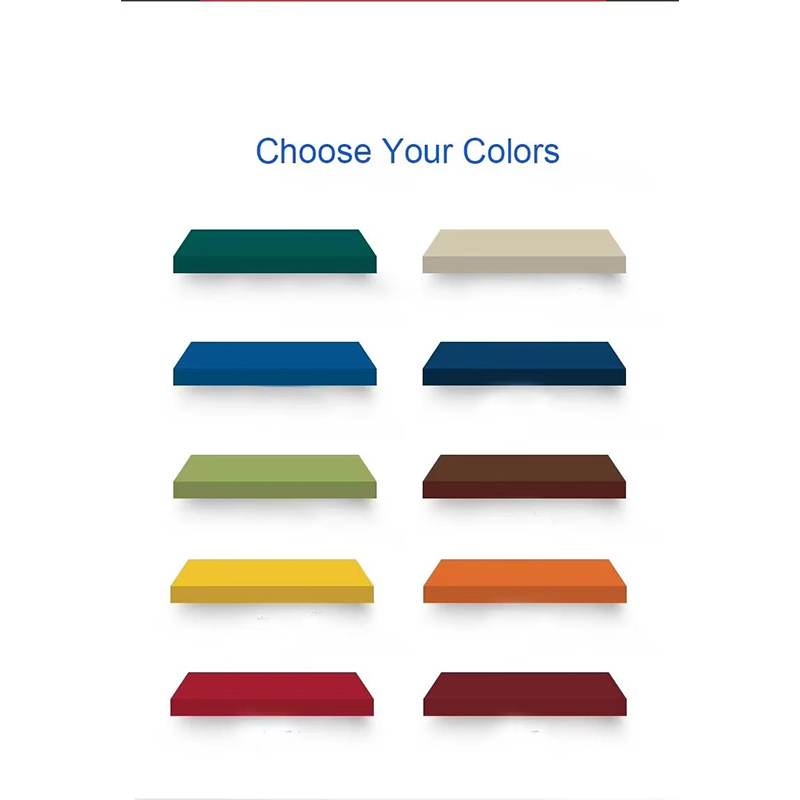
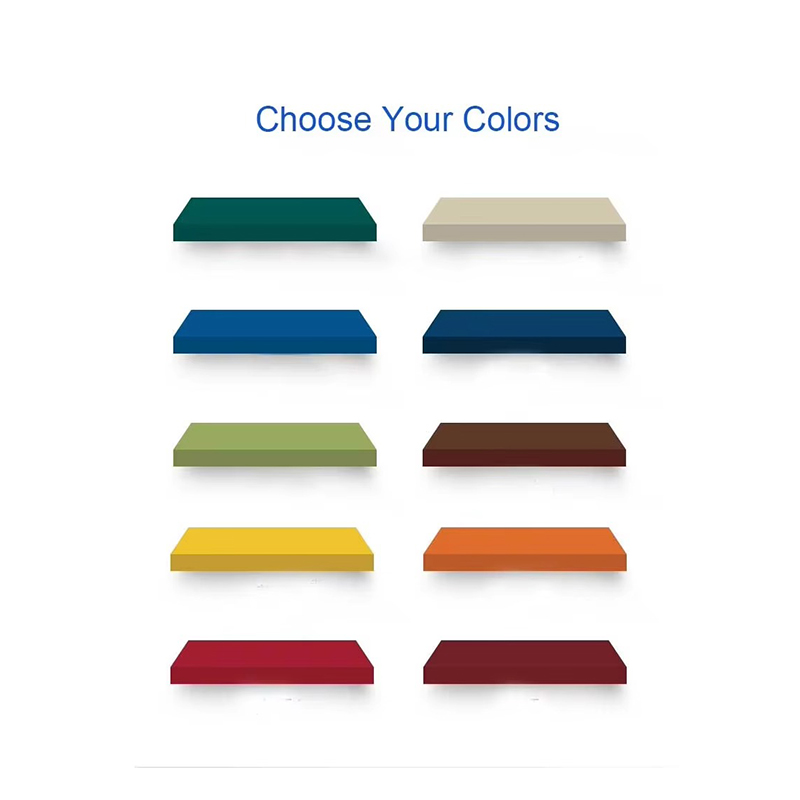
- Consider the custom logo option. For beach umbrella distributors, custom printed canopies increase perceived value without changing the mechanical performance. Our color logo customizable beach umbrella provides an example of this option.
When the order volume is high, the cost difference between a short aluminum pole and a longer reinforced one becomes a major margin item. The best decision is to choose a pole and rib set that is optimized for the specific beach market you serve. If your customers rent umbrellas to holidaymakers on rough beaches, the oversized sunshade beach umbrella with a broad canopy provides maximum rental value per unit, but it requires a deeper sand draw.
Market Trends for Beach Umbrellas in 2026
The demand for beach umbrellas continues to rise because outdoor recreation and coastal tourism are growing faster than many other consumer categories. According to the 2026 Outdoor Leisure Product Study by the Market Research Future Group, the beach parasol segment is projected to expand at a compound annual growth rate of about 5.7% between 2026 and 2031. The growth is driven by a combination of post-pandemic travel recovery, increasing awareness of skin protection, and the deeper availability of custom printed canopies for resorts, cafes, and beach clubs.
Three product innovations are shaping the sector. First, integrated sand anchor bases, which add a screw or auger to the pole tip, allow the umbrella to be planted in seconds without extra tools. Second, lightweight aluminum and fiberglass composites are moving into the higher end of the market, making large canopies easier to carry. Third, digital printing technology has made short production runs of custom canopy designs economical, so even a moderate order can carry a branded print.
For procurement professionals, the practical implication is that durable but attractive products are winning shelf space. Buyers should look for a supplier that can deliver both the seasoned field performance and the decorative finish needed for consumer appeal.
Frequently Asked Questions
Here are direct answers to the most common questions about a beach umbrella in the sand. The numbers below assume a typical 2.0 meter leisure umbrella and moderate coastal wind.
How deep should I bury the beach umbrella in the sand?
Bury the pole at least 40 cm deep in dry sand and 35 cm in wet sand. Any shallower burial can lead to the umbrella tipping over in a normal sea breeze of 20 to 30 km/h.
What wind speed can a beach umbrella in the sand withstand?
With a proper burial and slight angle into the wind, a quality beach umbrella can handle sustained wind up to about 30 km/h. Above 35 km/h, the canopy should be closed or the umbrella moved to a sheltered position.
Why does my beach umbrella keep spinning in the sand?
Spinning happens when the pole is not buried deep enough and the sand around the shaft is not compacted. The wind pushes the canopy sideways, creating torque on a loose pole. Restake the umbrella at 45 cm and compact the sand firmly.
What material is best for a beach umbrella in the sand?
Aluminum or fiberglass poles with polyester canopy fabric are the best combination. Polyester resists UV fading and water damage, while the metal or composite shaft keeps the umbrella light and rust resistant.
Can I use a beach umbrella on wet sand?
Yes. Wet sand actually holds the pole better because capillary action binds the grains together. You can dig a slightly shallower hole on wet sand, but you should still avoid overloading the canopy in a strong wind.
How do I choose between a fishing umbrella and a beach umbrella for sand?
Fishing umbrellas tend to have thicker ribs, reinforced joints, and deeper pole shafts, making them far more stable in sand. They weigh more and have a less decorative look. For rentals and retail, a traditional beach umbrella with upgraded rib count is the middle ground.
Does a larger canopy always mean less stability?
Generally yes. A larger canopy catches more wind and requires a larger base footprint. If you want a large shade area, use a deeper burial or add a sand anchor to compensate for the increased wind load.
Final Buying Advice for Beach Umbrellas in Sand
When you evaluate any beach umbrella for sandy conditions, start with the buried shaft length and the rib count. These two features determine the hold and the shape retention. Then look at the fabric weight and UV rating. Finally, examine the tilt mechanism and pole angle. A beach umbrella in the sand does not need to be the most expensive product; it needs to be the one that is properly engineered for the conditions.
For vendors and importers, the smartest approach is to source from a manufacturer that understands the specifics of sand stability, UV protection, and custom printing. A true outdoor umbrella manufacturer can offer a variety of fabrics, rib counts, and pole types, so you can match the product to the actual beach environment of your target market. With that flexibility, the risk of product returns drops and the reputation of your beach umbrella range grows.
Recommended products
Contact Us Now
Copyright 2024 @ Shaoxing Jinqiao Umbrella Co., Ltd. All Rights Reserved. OEM/ODM umbrellas manufacturers Custom Umbrellas Factory
