

 English
 中文简体
中文简体






Best Fade Resistant Patio Umbrella: Fabric Guide for Long-Lasting Outdoor Color
Posted by Admin
Content
- 1 Why Fade Resistance Matters More Than You Think
- 2 What Actually Determines Fade Resistance
- 3 Comparing Common Patio Umbrella Canopy Materials
- 4 How to Test and Verify Fade Resistance Before Buying
- 5 Beyond Fading: Other Durability Factors That Matter
- 6 Choosing the Right Fade-Resistant Fabric for Your Climate
- 7 Maintenance Tips to Preserve Color Vibrancy
- 8 FAQ: Common Questions About Fade Resistant Patio Umbrellas
- 8.1 How long does a fade resistant patio umbrella actually last?
- 8.2 Is acrylic or polyester the better choice for fade resistance?
- 8.3 What does the UPF 50 rating actually mean?
- 8.4 Does a fade resistant umbrella also need waterproofing?
- 8.5 Can I test fade resistance myself without a lab?
- 8.6 What is the realistic budget for a fade resistant patio umbrella?
Every summer, patio umbrella owners notice the same frustrating problem: the once-vibrant canopy turns pale, patchy, and washed out after only a couple of seasons. The frame is still solid, the ribs are still intact, but the fabric has already lost its identity. Choosing the best fade resistant patio umbrella is not merely about aesthetics. It is about avoiding repeat purchases, preserving the professional look of your outdoor space, and making sure the canopy continues to protect people from harmful UV rays.
Fading is not a purely cosmetic issue. When the fabric loses color, it has also lost a significant portion of its UV protective coating. This makes the canopy thinner, more brittle, and more vulnerable to mildew and moisture. For anyone who wants a deeper understanding of how canopy material influences overall performance, the guide on how patio umbrella material affects durability and sun protection provides a useful technical framework.
Why Fade Resistance Matters More Than You Think
Conclusion: A truly fade resistant patio umbrella costs more upfront, but it can more than pay for itself over time.
A standard polyester canopy loses a noticeable percentage of its color in as little as 12 to 18 months, depending on the local UV index and the number of daylight hours. Solution-dyed fabric, by contrast, is manufactured with the color pigment mixed directly into the fiber before the yarn is spun. This means the color is embedded inside the filament, not laid on the surface. A well-made solution-dyed canopy can remain vibrant for 5 years or more, even in high-sun regions.
The financial difference is substantial. A typical basic patio umbrella retails for 80 to 120 USD and often needs replacement every two years, which adds up to a total spend of 200 to 300 USD over a six-year period. A premium fade resistant model retails for 150 to 220 USD but is engineered to deliver five to eight years of service. In the same six-year window, you would likely spend 150 to 220 USD once and still have a canopy that is holding its original brightness. The long-term cost is comparable, but the user experience is on a completely different level.
Beyond the personal cost benefit, a fade resistant umbrella preserves the professional image of a patio restaurant, resort terrace, or home garden. Commercial buyers frequently require that canopies stay bright for at least two to three years before any visible fading appears. If you are sourcing for a hospitality property, this is a requirement that is practically non-negotiable.
What Actually Determines Fade Resistance
Conclusion: Fabric type, dyeing method, and UV treatment are the three pillars that determine how long your canopy stays colorful.
Fabric Material
Solution-dyed acrylic is the industry benchmark for fade resistance. The pigment is mixed into the fiber before the yarn is spun, which means the color penetrates through the filament. Even if the surface wears down from years of rain, wind, and sun, the underlying fiber continues to carry the same shade. Solution-dyed polyester operates on the same principle and provides a more affordable alternative while still delivering excellent color stability.
A specialized product that combines UPF 50 protection with a dual-purpose sun and rain canopy is an example of this approach in a real product. The canopy is engineered to block roughly 98 percent of ultraviolet radiation while preserving the fabric's color across a much broader range of sunlight exposure.
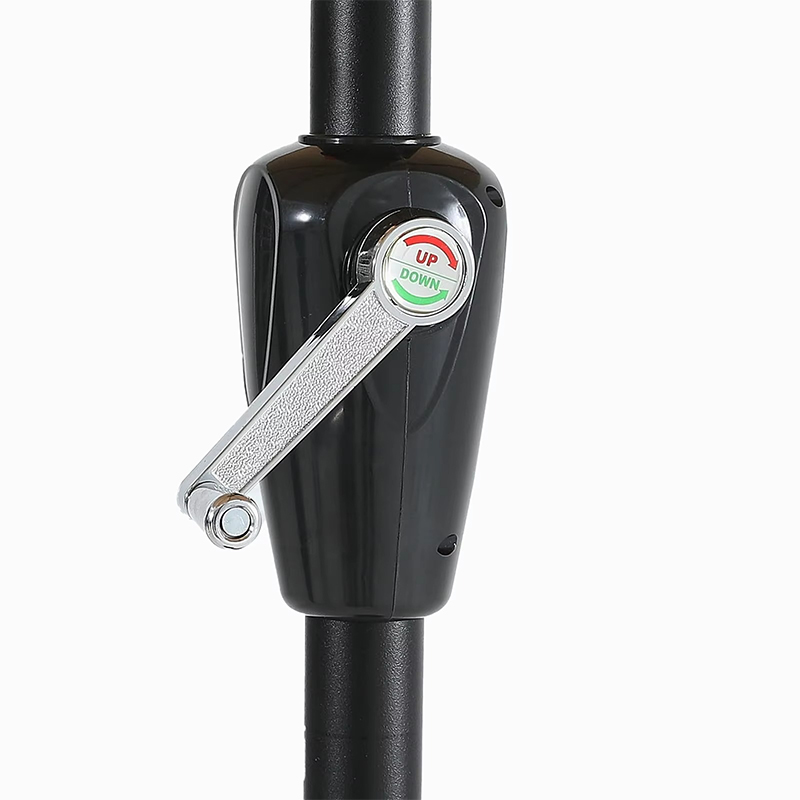 UPF 50+ Sun and Rain Garden Umbrella with Anti-UV FabricThis umbrella offers UPF 50+ protection, blocking over 99% of UV rays, and is waterproof for light rain, making it a practical choice for gardens, patios, and pools with adjustable angle for all-day shade.View Product →
Dyeing Process
Surface dyeing or piece dyeing is the cheapest way to color fabric. It places a thin layer of pigment on the outer surface of the fibers. When this layer is exposed to rain, heat, and friction, it wears off quickly, revealing the original pale fabric underneath. Vat dyeing and solution dyeing are far more advanced methods and produce a deeper, more uniform color that resists both UV damage and moisture penetration.
UV Treatment
Most professional canopies receive a UV inhibitor during the fabric finishing stage. This treatment can be applied as a bath or as a bonded layer. The more evenly the coating is distributed, the more consistent the fade resistance. The colorfastness rating, usually tested under the ISO 105-B02 standard, is expressed on a scale from 1 to 5. Grade 3 is the minimum for casual outdoor products. Grade 4 is the standard requirement for good-quality residential and commercial umbrellas. Grade 5 is the highest practical level for severe sun exposure.
Fabric Weight
Fabric weight is an often-overlooked factor. A canopy that weighs between 180 and 260 grams per square meter generally has a thicker color layer and better resistance to wear. Anything below 150 grams per square meter is a warning sign that the material may be too thin for a high-UV environment.
Comparing Common Patio Umbrella Canopy Materials
The table below summarizes the main material choices for fade resistant patio umbrellas. Use it as a quick reference when evaluating product ranges from a supplier or comparing different canopies.
| Material | Color Application | Expected Color Retention | Recommended Environment |
|---|---|---|---|
| Basic Polyester | Surface Dye | 12 to 18 Months | Covered or Occasional Use |
| Coated Polyester | Dye with UV Coating | 2 to 3 Years | Seasonal Outdoor Use |
| Solution-Dyed Polyester | Pigment Inside Fiber | 3 to 5 Years | Residential Patio or Commercial Pool |
| Solution-Dyed Acrylic | Pigment Inside Fiber | 5 to 7 Years | Coastal, Desert, or High-UV Zones |
The differences are not just theoretical. In a controlled outdoor test conducted by fabric manufacturers, a solution-dyed acrylic canopy retained around 90 percent of its original color after 60 months of direct exposure, while a standard dyed polyester sample fell below 50 percent after the same period. These are real-world performance gaps that directly affect how often you need to replace a canopy.
How to Test and Verify Fade Resistance Before Buying
Conclusion: You do not need to be a textile expert. A few practical checks are enough to assess fade resistance.
- Check the UPF rating. A UPF 50 rating means the fabric blocks approximately 98 percent of UVA and UVB radiation. This is the strongest practical indicator that the material was engineered to withstand ultraviolet degradation.
- Ask for a colorfastness test report. A professional manufacturer can supply an ISO 105-B02 result. If the document shows Grade 4 or above, the canopy has been tested under artificial light and is suitable for harsh outdoor use.
- Hold the fabric up to the light. If the underside appears noticeably paler than the top side, the color only exists on the surface. A solution-dyed fabric should show nearly the same color depth on both sides.
- Feel the weight. A slight weight difference between two canopies of the same size often indicates a thicker, more durable fabric. Premium canopies generally weigh between 180 and 260 grams per square meter.
- Run a simple water test. Rub a damp white cloth on a single spot of the canopy. If color transfers to the cloth, the umbrella uses surface dye and will fade quickly.
These checks are especially valuable when comparing a high-volume import product against a specified premium model. Spending ten minutes on verification can save months of replacement headaches.
Beyond Fading: Other Durability Factors That Matter
Conclusion: Heightened fade resistance must be paired with a stable frame, good ventilation, and water repellency to deliver real value.
A canopy that holds its color but tears at the seams is just as useless as a canopy that fades fast. Structural quality and fabric treatment should be viewed as a single package. For example, an aluminum frame with a powder-coated finish and 8 ribs provides a far more stable base than a lower-grade steel frame. If you are in an area with a lot of wind, a canopy with a central vent will perform far better than a solid top, because the vent releases rising air and prevents the umbrella from lifting.
The industry has long used the double-layer ventilated design as a practical solution for outdoor comfort. This design creates a passage for hot air to escape, which reduces the pressure under the canopy and helps the fabric stay intact for a longer period.
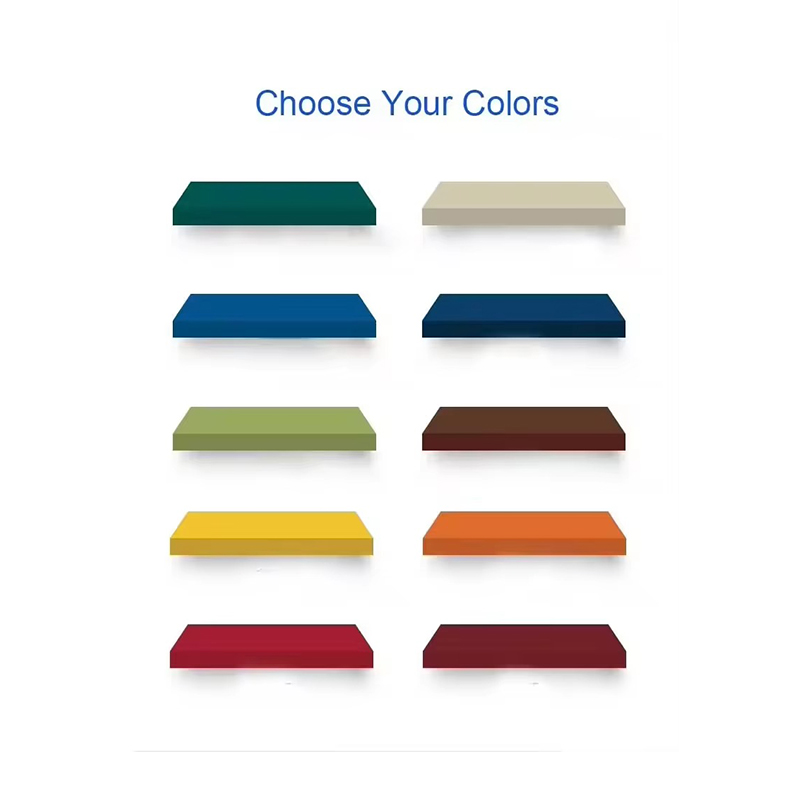 Double Layer Ventilated Waterproof Patio Umbrella with Aluminum FrameIts double-layer design improves airflow and wind resistance, while the waterproof canopy keeps you dry. The sturdy aluminum frame ensures durability, suitable for outdoor relaxation and gatherings.View Product →
Water repellency is also closely connected to fade resistance. When moisture sits on the fabric, it can promote mildew, which breaks down the textile fibers and accelerates the color loss process. A quality fade resistant patio umbrella should include a water-repellent finish and sealed seams to keep water from entering the canopy. The design principle behind the double-layer ventilated canopy and its effect on outdoor climate is discussed in greater detail in this article: how double-layer ventilated canopies regulate outdoor climate.
The frame material and rib count also deserve close attention. A 6-rib frame is generally stable for a standard 2.5-meter patio umbrella, while 8 ribs provide extra rigidity for canopies 3 meters and above. Fiberglass ribs are more flexible than aluminum and can absorb wind stress without bending, which protects the fabric from constant flapping and helps preserve the canopy's color over time.
Choosing the Right Fade-Resistant Fabric for Your Climate
Conclusion: Your local UV index should be the primary filter when selecting a canopy material.
- High UV zones (UV index 8 to 11+): Coastal, desert, and tropical areas require solution-dyed acrylic with a UPF 50 rating. These fabrics hold their color the longest under the strongest sunlight.
- Moderate UV zones (UV index 5 to 8): Solution-dyed polyester with a Grade 4 colorfastness rating is sufficient for most homeowners and restaurants in temperate climates.
- Frequently rainy zones: Basic polyester with a reliable water-repellent finish may be acceptable, but a solution-dyed fabric is still recommended for longevity and mildew prevention.
For areas with intense sunlight and occasional strong storms, a large windproof umbrella with a weighted base is a worthwhile investment, since the construction addresses both extremes of UV exposure and wind force.
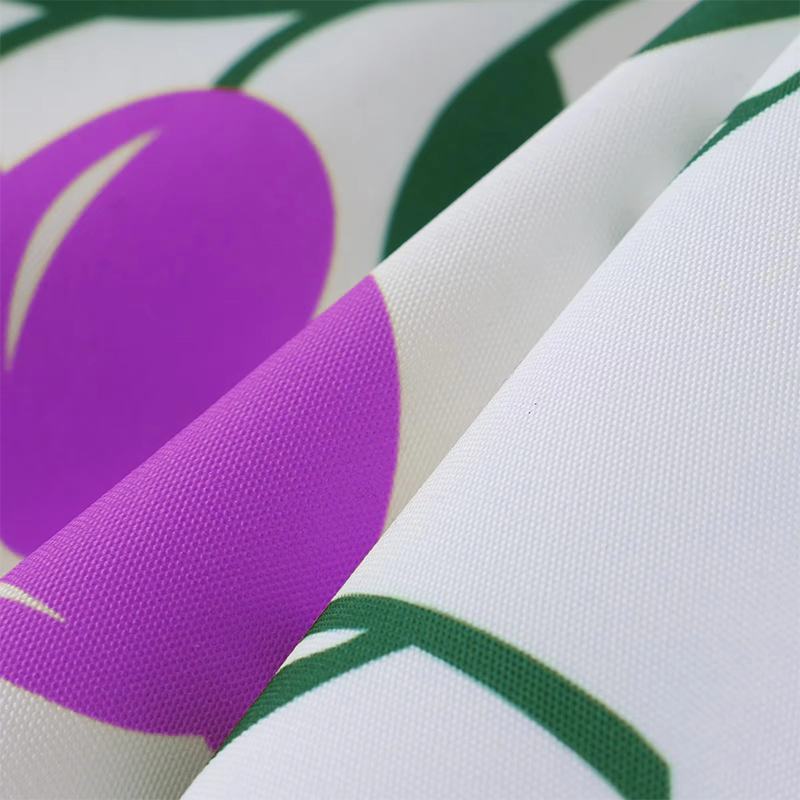 High Quality Windproof Large Garden Umbrella with Weighted Base and UPF 50+Featuring a reinforced aluminum frame and a base that can be filled with water or sand for stability, this umbrella withstands strong winds and offers UPF 50+ sun protection, ideal for intense sun and storms.View Product →
Maintenance Tips to Preserve Color Vibrancy
Conclusion: The right care routine can add one to two years to the life of your canopy's color.
- Store the umbrella closed when not in use. A retracted canopy is far less exposed to direct sunlight and rain.
- Clean gently with mild soap and a soft sponge. Avoid abrasive brushes and strong detergents, which can strip protective coatings from the fabric.
- Dry the canopy fully before closing. Stored moisture is the number one cause of stains and mildew.
- Apply a water-repellent fabric spray once per season. This maintains both the hydrophobic nature and the fade resistance of the canopy.
- Rotate the umbrella slightly over time. If the canopy stays in one fixed position, the sun hits the same panels every day. A small rotation distributes the UV stress across the entire canopy.
FAQ: Common Questions About Fade Resistant Patio Umbrellas
How long does a fade resistant patio umbrella actually last?
A high-quality solution-dyed acrylic canopy typically retains its vivid color for 5 to 7 years under constant outdoor exposure, while solution-dyed polyester is usually rated for 3 to 5 years. Basic polyester, by contrast, starts to fade after 12 to 18 months. The climate, average daily sun hours, and protection storage all influence these numbers.
Is acrylic or polyester the better choice for fade resistance?
Acrylic is generally more fade resistant than polyester when both are solution-dyed. Acrylic's color pigments are exceptionally stable under ultraviolet light, making it the premium choice for high-UV regions. A solution-dyed acrylic canopy with a Grade 4 or Grade 5 colorfastness rating is the safest specification for commercial use.
What does the UPF 50 rating actually mean?
UPF stands for ultraviolet protection factor. A UPF 50 rating means the fabric blocks about 98 percent of the sun's ultraviolet rays. For a patio umbrella, this is a strong signal that the canopy has been engineered for prolonged outdoor exposure. A canopy that is both UPF 50 rated and solution-dyed provides the best performance in the strongest sunlight.
Does a fade resistant umbrella also need waterproofing?
Yes. Fade resistance and waterproofing are different functions, but they work hand in hand. The most common cause of accelerated fading on an umbrella is the presence of water on the fabric. Water promotes mildew, and mildew breaks down the textile fibers. A fade resistant patio umbrella should include a water-repellent finish and sealed seams.
Can I test fade resistance myself without a lab?
Yes. For a practical check, use a white cotton cloth, dip it in clean water, and rub one small section of the canopy. If any color transfers to the cloth, the fabric is likely surface-dyed and will fade quickly. If the fabric is solution-dyed, the test should not show any color transfer.
What is the realistic budget for a fade resistant patio umbrella?
In a wholesale context, a professional fade resistant patio umbrella with a solution-dyed canopy typically costs 25 to 45 percent more than a standard model. The retail price for end consumers depends on frame materials, base type, and brand positioning, but the additional upfront cost is consistently repaid through a longer service life and reduced replacement frequency.
Recommended products
Contact Us Now
Copyright 2024 @ Shaoxing Jinqiao Umbrella Co., Ltd. All Rights Reserved. OEM/ODM umbrellas manufacturers Custom Umbrellas Factory
