

 English
 中文简体






Can You Tan Under an Umbrella? UV Facts, Shade Limits, and Smarter Sun Habits
Posted by Admin
Content
- 1 The Direct Answer: Shade Slows Tanning, It Does Not Stop It
- 2 How UV Reaches You Under a Canopy: Three Leakage Paths
- 3 UPF in Plain Numbers: What 15, 25, and 50 Actually Mean
- 4 Sand, Water, and Concrete: The Ground Under You Changes the Answer
- 5 Shade Geometry: Why the Same Umbrella Feels Different at 10 A.M. and 4 P.M.
- 6 What Actually Improves Shade Performance: Size, Tilt, Venting, and Fabric Weight
- 7 Patio Umbrellas and Beach Umbrellas Are Not the Same Shade
- 8 A Realistic Afternoon Under the Canopy, Hour by Hour
- 9 Practical Rules for Anyone Sitting in the Shade
- 10 Frequently Asked Questions
- 10.1 Can you tan under an umbrella?
- 10.2 Do I still need sunscreen under an umbrella?
- 10.3 Can you get sunburned under a patio umbrella?
- 10.4 Is a dark umbrella better than a light one?
- 10.5 Does an umbrella block UVA and UVB equally?
- 10.6 Does a wet canopy block less UV?
- 10.7 Does canopy size matter more than the UPF rating?
- 11 The Bottom Line on Tanning in the Shade
Stand under a beach umbrella for three hours on a bright afternoon and your shoulders still warm up, your forearms still darken, and the tip of your nose can still turn pink. A canopy is a shade tool, not a bottle of sunscreen. Can you tan under an umbrella? Yes, and you can also burn under one. Fabric removes a large share of the direct ultraviolet beam, but it never removes all of it.
An umbrella made with UPF 50 fabric blocks roughly 98 percent of the UV that strikes the fabric itself. That sounds close to total protection, and if a canopy were a sealed room, it would be. It is not a sealed room. UV arrives at an angle, scatters sideways underneath the rim, and bounces upward off sand, water, and pavement. Those three paths are why a tan line still shows up after a long afternoon in the shade, and why a fair-skinned person can finish the day red under a canopy that looked perfectly protective at noon.
The Direct Answer: Shade Slows Tanning, It Does Not Stop It
You can tan under an umbrella because tanning depends on UV dose, not on whether you can see direct sunlight falling on your skin. Shade lowers the dose and stretches out the clock. Tanning still happens, just more slowly.
How much slower matters. Public health guidance from the World Health Organization, along with shade measurements reported in photobiology research, generally places UV exposure in shade at roughly 10 to 50 percent of full-sun levels. That range is wide because sun elevation, canopy design, and the surface beneath your feet all shift the result. Sitting under fabric at 1 p.m. on a July beach is not the same exposure as sitting under the same fabric on a stone patio at 5 p.m. in October.
There is also the meaning of the word tan. Dermatology organizations, including the Skin Cancer Foundation, describe a tan as the skin's stress response to DNA damage rather than a sign of safety. Under a canopy you are simply accumulating that damage at a slower rate.
UVA and UVB Behave Differently in the Shade
UVB, roughly 290 to 320 nanometers, is the burning wavelength. It scatters strongly in the atmosphere and is stopped fairly well by dense, dark fabric, which is why deep shade usually prevents a fast, sharp sunburn. UVA, roughly 320 to 400 nanometers, is longer, reaches deeper into the dermis, drives the immediate tanning response and most long-term photoaging, and slips more easily through loose or pale fabric. An umbrella that prevents a burn does not automatically prevent a tan.
| UV band | Main effect on skin | Behaviour under a canopy |
|---|---|---|
| UVB, about 290-320 nm | Sunburn, vitamin D synthesis | Strongly scattered by the atmosphere and blocked well by dense fabric, so a fast burn is unusual in deep shade |
| UVA, about 320-400 nm | Tanning, pigment darkening, photoaging | Passes more easily through thin or pale weaves and keeps working on skin for hours, even in shade |
How UV Reaches You Under a Canopy: Three Leakage Paths
If you want to predict how much you will tan or burn under a specific umbrella, count the ways UV gets around the fabric instead of through it.
- Leakage straight through the weave. Thread density, color, coating, and moisture content all change how much passes through. Dry, tight, dark fabric with a UV-blocking finish leaks least. A canopy that has spent four summers outdoors can transmit noticeably more than it did when new.
- Side scatter from the sky. On a clear day a large share of UV arrives as diffuse sky radiation rather than as a beam from the sun's disc. It comes in at low angles and enters under the rim, especially when the canopy is small or mounted high on the pole.
- Reflection from the ground. Sand, water, and pale concrete bounce UV upward onto your skin from below. This is the path most people forget, and it is the reason beach shade is genuinely leakier than garden shade.
The Five-Second Shadow Test
Hold your hand about 30 centimeters above the fabric and look at the shadow it casts on the ground. A crisp, dark shadow means the fabric is doing serious work. If you can make out the bright outline of the sun through the canopy, or the shadow is pale and washed out, a meaningful amount of UV is passing through. Run this test on a dry canopy, because a wet one behaves differently.
UPF in Plain Numbers: What 15, 25, and 50 Actually Mean
UPF stands for ultraviolet protection factor and it describes fabric, not an entire seating arrangement. It works like a simple ratio. A fabric rated UPF 50 lets one fiftieth of the UV through, which is about 2 percent.
| Fabric rating | UV blocked | UV transmitted | Practical reading |
|---|---|---|---|
| UPF 15 | About 93 percent | About 7 percent | Fine as one layer among several, weak on its own for long exposures |
| UPF 25 | About 96 percent | About 4 percent | Reasonable for a patio, marginal over bright sand |
| UPF 50 | About 98 percent | About 2 percent | The realistic target for a beach canopy |
| UPF 50+ | More than 98 percent | Under 2 percent | Usually a tightly woven or coated fabric |
Two warnings come with those numbers. First, UPF is measured on dry, new, unstretched fabric. Pulling a canopy tight over a frame opens the weave, and moisture in the fibers can reduce performance in many materials. Second, a high rating says nothing about canopy size. A small UPF 50 parasol that covers your head and shoulders leaves your arms and thighs in direct sun.
 UPF50 + Angle Adjustable Sunshade Beach UmbrellaThis UPF50 + Angle Adjustable Sunshade Beach Umbrella combines modern design and functionality to provide all-round sun protection. The umbrella fabric is made of high...View Product →
Sand, Water, and Concrete: The Ground Under You Changes the Answer
Reflected UV is the quiet variable in every shade calculation. Guidance published by the World Health Organization and the US Environmental Protection Agency gives approximate reflectance figures that explain why one canopy performs differently in two different places.
| Surface | Reflected UV | What it changes |
|---|---|---|
| Fresh snow | 80-90 percent | Winter sun can burn under a hat or a canopy |
| Dry sand | 15-25 percent | Chin, forearms, and shins darken first at the beach |
| Calm water surface | Under 10 percent, higher with chop and low sun | Swimmers and lake-side sitters collect extra dose from below |
| Pale concrete or stone | About 10-12 percent | A sunlit patio quietly feeds UV up under the umbrella rim |
| Grass | Under 5 percent | Garden shade is the mildest of these settings |
On a beach, roughly a fifth of the UV striking the sand comes back up at you. Under a canopy that already transmits a mere 2 percent of the direct beam, that reflected component becomes the dominant dose reaching exposed skin. On grass in a garden, the same umbrella performs noticeably better because the ground is barely sending anything back.
The practical response is boring but effective: a towel or long-sleeve shirt over the legs, a wide-brim hat, and sunscreen on the underside of the chin and along the forearms. Those areas collect the bounce that a canopy cannot stop.
Shade Geometry: Why the Same Umbrella Feels Different at 10 A.M. and 4 P.M.
A canopy does not cast a fixed circle of protection. The shaded footprint is a projection of the canopy, and it moves with the sun.
Simple math makes this concrete. Shadow radius is roughly canopy height divided by the tangent of the sun's elevation. A canopy sitting 2.4 meters above the ground throws a shade radius of about 2.4 meters when the sun is 45 degrees up, and only about 0.9 meters when the sun is 70 degrees up. A 2.7-meter patio umbrella that comfortably covers a table at midday may barely cover one chair at 4 p.m., when the shade stretches long and thin and light streams in under the rim.
This is where tilt hardware earns its place. A canopy that rotates or angles toward the sun keeps the shaded area on the seating instead of drifting away from it. Crank-tilt and freestanding designs exist for exactly this reason, and an adjustable canopy that leans into the sun handles the low-sun hours far better than a fixed pole ever will.
What Actually Improves Shade Performance: Size, Tilt, Venting, and Fabric Weight
Four canopy variables matter more than anything else when the goal is less UV on skin.
- Canopy diameter. Area grows with the square of the diameter. Moving from a 2-meter canopy to a 3-meter canopy takes the shaded area from about 3.1 square meters to about 7.1 square meters, more than double, for the same pole height.
- Tilt range. A canopy that can be angled 30 to 45 degrees away from vertical keeps your seat covered when the sun drops below 40 degrees of elevation.
- Ventilation. A double-layer vented top lets hot air escape and reduces lift in gusts, which keeps the umbrella upright and the shade where you placed it. A canopy that flips inside out provides no shade at all.
- Fabric and finish. Dense, dark, tightly woven fabric with a UV-blocking treatment outperforms a loose pale weave. Yarn weight matters too, because heavier fabric holds both its shape and its thread density over a season of use.
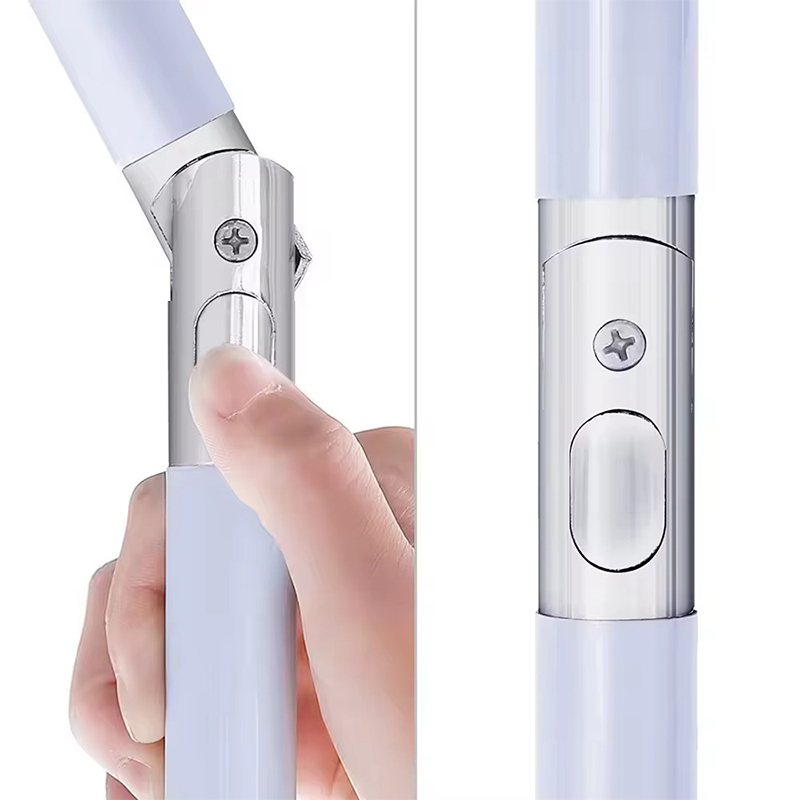 Oversized Sunshade Beach UmbrellaWhile enjoying the beach, create a wide and comfortable shaded space for yourself. The oversized sunshade beach umbrella is the perfect companion for your outdoor acti...View Product →
We have been building canopies in Shaoxing since 2004, and across more than 100 developed product lines the pattern is consistent: buyers who care about shade quality ask about canopy diameter, tilt range, and fabric weight long before they ask about color. Color is what a customer sees in a photo. Diameter and weave are what a customer feels at 3 p.m.
Patio Umbrellas and Beach Umbrellas Are Not the Same Shade
Both block direct UV, but they operate in different environments. A patio umbrella usually stands over grass, stone, or a wooden deck, with reflectance under 12 percent, and it is rarely fighting a strong onshore wind. A beach umbrella works over sand at 15 to 25 percent reflectance, often with the canopy tilted into a low sun and gusts pushing the pole around. Beach shade is simply harder to get right.
Fabric and frame choices follow the environment. Patio canopies tend to use heavier fabric that holds color and weave density across seasons, while beach models trade some weight for fast setup and portability. If you want the detail behind those trade-offs, this breakdown of how fabric and frame choice affects sun protection walks through thread count, coating, and pole material.
 Double Layer Ventilated Waterproof Patio UmbrellaThis Double Layer Ventilated Waterproof Patio Umbrella adopts an innovative double-layer umbrella design, which can effectively prevent wind from blowing down and prov...View Product →
One more distinction worth remembering: shade quality on a patio depends heavily on base stability. A canopy that shifts in the wind changes the shaded area constantly, and the person who keeps adjusting their chair never quite settles into full shade.
A Realistic Afternoon Under the Canopy, Hour by Hour
Here is what actually happens to skin during a long shade session on a bright beach day with a UPF 50 canopy overhead.
- First 20 to 30 minutes. Direct UV on exposed skin drops sharply and you feel noticeably cooler. Nothing visible happens yet, but UVA is already reaching the dermis and reflected light is warming the forearms.
- 30 to 60 minutes. Immediate pigment darkening can begin on skin that received direct sun before you sat down. The shade is slowing the reaction, not blocking it.
- One to two hours. Reflected UV off sand accumulates on the chin, neck, forearms, and shins. These are the areas that tan first and burn first under a beach umbrella.
- Two to three hours. Fair skin may show pink rather than bronze. Sunscreen applied before you arrived has largely worn off, and shade does not reset the clock on reapplication.
- After three hours in beach shade. A common outcome is a light tan on the arms and shins plus a burn on the nose and the tops of the ears. That mixture is the clearest proof that an umbrella slows UV without stopping it.
Practical Rules for Anyone Sitting in the Shade
- Sit in the middle of the shaded footprint, not at the edge where scattered UV comes in from the side.
- Reposition the umbrella as the sun moves. Two adjustments across an afternoon make a bigger difference than a higher fabric rating on a badly placed canopy.
- Treat sunscreen as the second layer, not the backup plan. Public health guidance recommends reapplication roughly every two hours, and more often after swimming or heavy sweating.
- Cover the reflective targets: chin, ears, nose, forearms, and shins. These collect the ground bounce that a canopy cannot intercept.
- Retire a canopy that has gone pale, thin, or stiff. Fabric that has lost its density has also lost a good part of its UV blocking ability.
- Add shade from above and below. A hat plus a light long-sleeve layer removes most of the exposure a canopy leaves behind.
- Remember that cloud cover is not shade. Thin cloud still transmits most UV, and a hazy sky can leave you with more exposure than a clear one because you do not feel the heat building.
Frequently Asked Questions
Can you tan under an umbrella?
Yes. Tanning depends on total UV dose, and shade reduces that dose rather than eliminating it. With a UPF 50 canopy you may still receive somewhere between 10 and 50 percent of full-sun UV once side scatter and ground reflection are counted, which is plenty to darken skin over a few hours.
Do I still need sunscreen under an umbrella?
Yes, especially on the beach. The canopy handles the direct beam from above, but it does nothing about the 15 to 25 percent of UV that bounces off sand or the scattered radiation entering under the rim. Sunscreen covers exactly the skin the umbrella cannot reach.
Can you get sunburned under a patio umbrella?
You can, though it takes longer than in open sun. Late-afternoon sessions are the highest risk, because a low sun angle sends light straight in under the canopy while pale paving reflects another 10 to 12 percent upward. Long shade sessions after 4 p.m. are where surprise burns tend to happen.
Is a dark umbrella better than a light one?
Generally, darker and denser fabrics block more UV than pale, loosely woven ones of the same weight, because they absorb rather than transmit. The exception is a light-colored fabric that has been tightly woven and given a UV-blocking finish, which can outperform a thin black weave. Fabric density and treatment matter more than color alone.
Does an umbrella block UVA and UVB equally?
No. Dense fabric stops UVB more effectively, which is why deep shade usually prevents a fast burn. UVA passes through thin or pale weaves more readily and keeps reaching your skin in shade, so a slow tan can develop even when burns are not a concern.
Does a wet canopy block less UV?
It can. Water in the fibers alters how light passes through many fabrics, and in some materials the UPF drops measurably when the canopy is soaked. If your canopy is wet and the sun comes back out, treat the shade as weaker than usual and add a layer or move into a second shade source.
Does canopy size matter more than the UPF rating?
For everyday use, often yes. A larger canopy with a slightly lower rating can leave less skin in direct sun than a small UPF 50 canopy, because coverage determines how much of your body is exposed to side scatter and reflection in the first place. Ideally you get both: a wide canopy and a dense, treated fabric.
The Bottom Line on Tanning in the Shade
An umbrella is one of the better tools you can carry to a beach or set up over a patio, and it works best when you understand what it can and cannot do. It removes most of the direct UV that would otherwise hit your skin, which makes a long afternoon outdoors far more comfortable. It does not remove the scattered light coming in from the side, the reflection bouncing up off sand and stone, or the slow UVA exposure that produces a tan.
So the honest answer is yes, you can tan under an umbrella, and you can burn under one too. Choose a wide canopy with dense, treated fabric, tilt it into the sun as the day moves, sit in the middle of the shade, and put sunscreen on the parts the canopy will never cover. That combination keeps shade working the way it was meant to.
Recommended products
Contact Us Now
Copyright 2024 @ Shaoxing Jinqiao Umbrella Co., Ltd. All Rights Reserved. OEM/ODM umbrellas manufacturers Custom Umbrellas Factory
