

 English
 中文简体
中文简体






How to Use a Beach Umbrella: Setup, Anchoring & Shade Tips
Posted by Admin
Content
- 1 How to Use a Beach Umbrella: The Complete Setup and Safety Guide
- 2 Choosing the Right Spot Before You Even Open the Umbrella
- 3 Step-by-Step: How to Set Up a Beach Umbrella Correctly
- 4 Extra Anchoring Options for Windy Days
- 5 Getting the Most Shade from Your Beach Umbrella Throughout the Day
- 6 Beach Umbrella Types and Which Setup Each Requires
- 7 How to Close and Pack a Beach Umbrella Without Damaging It
- 8 Maintenance and Storage Between Beach Trips
- 9 Frequently Asked Questions About Beach Umbrella Use
- 9.1 How deep should a beach umbrella pole go into the sand?
- 9.2 What angle should a beach umbrella be positioned at?
- 9.3 Can I leave a beach umbrella up when I leave the beach?
- 9.4 How do I stop my beach umbrella from spinning?
- 9.5 What size beach umbrella do I need?
- 9.6 Does a beach umbrella protect against all UV rays?
How to Use a Beach Umbrella: The Complete Setup and Safety Guide
The short answer: push the pole into the sand at a 45-degree angle facing the wind, bury it at least 18 inches deep, open the canopy, and adjust the tilt so the shade tracks the sun. That single technique prevents most beach umbrella accidents and keeps you cool for hours. Everything else — choosing the right spot, anchoring against gusts, folding it properly — flows from that foundation. This guide walks through every step so you get maximum protection with zero frustration.
A standard beach umbrella with a 7.5-foot canopy covers roughly 28 to 35 square feet of shade, enough for two adults lying side by side. Tilt correctly and that coverage shifts with the sun across a full beach session.
Choosing the Right Spot Before You Even Open the Umbrella
Location matters far more than most beachgoers realize. Plant your beach umbrella in the wrong place and no amount of anchoring technique will save you from a sudden gust sending it airborne. Before you unpack anything, scan the beach for these factors:
Wind Direction
Face into the wind and note where it is coming from. You will angle your pole into that direction. A spot sheltered by a dune or a small rise in the sand gives you natural wind buffering, which can reduce effective wind load on the canopy by 30–40%.
Sand Density
Dry, loose sand near the dune line is far less stable than damp, compacted sand closer to the waterline. The ideal zone is mid-beach where the sand is slightly firm but not saturated. A pole set in wet tidal sand will sink; a pole in powdery dry sand will spin and pull out.
Distance from Water
Stay at least 50 to 60 feet above the high-tide line. Waves do not just get your towels wet — surge can undercut your anchor hole in seconds. Check for the line of seaweed or debris that marks the last high tide and set up well behind it.
Sun Path
Think about where the sun will be in three hours, not just right now. On a south-facing beach in the northern hemisphere, the sun arcs from east-southeast in the morning to west-southwest in the afternoon. Position your setup so you can tilt the canopy to follow that arc without relocating.
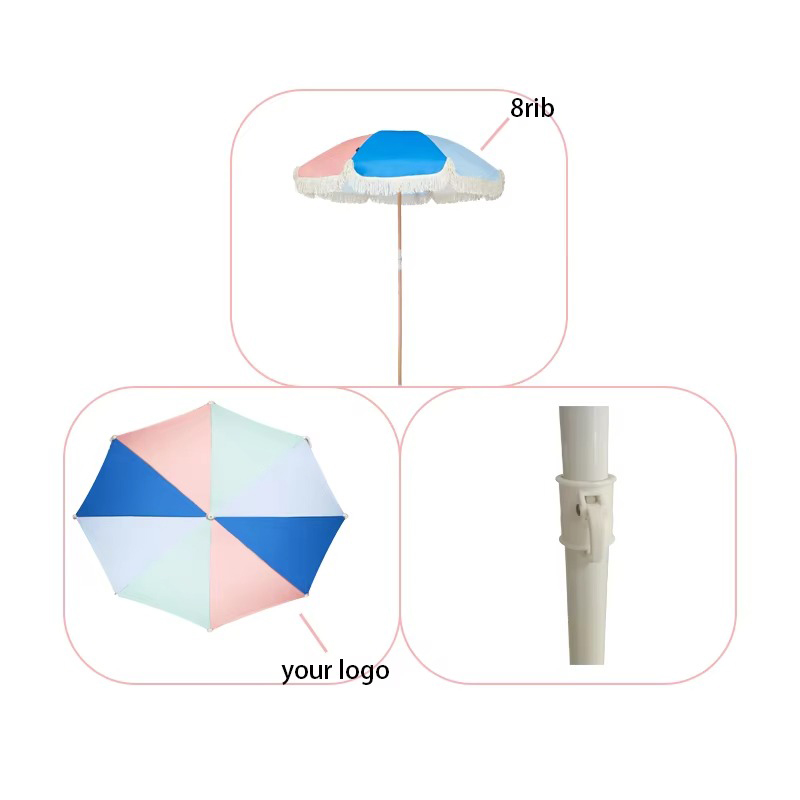
Step-by-Step: How to Set Up a Beach Umbrella Correctly
Most beach umbrella failures happen in the first five minutes of setup. Follow these steps in order and you dramatically reduce that risk.
Twist, Do Not Push
Grip the pole near the tip and use a slow, steady twisting motion — like screwing in a bolt — as you push down. Straight downward force compacts the sand immediately beneath the tip, creating a loose plug that pops out under pressure. Twisting drives the pole into undisturbed, stable sand on all sides. Most standard beach umbrella poles need 8 to 10 rotations to reach proper depth.
Bury at Least 18 Inches Deep
Consumer-grade beach umbrellas are designed for poles inserted to a minimum depth of 18 inches in typical beach sand conditions. Many people stop at 8 to 10 inches because it feels stable. It is not. Use a measuring tape once or mark your pole with tape at home so you know exactly when you have reached depth without guessing.
Angle Into the Wind at 45 Degrees
This is the single most important technique for keeping a beach umbrella grounded. Tilt the pole so the top leans into the prevailing wind, not straight up and not away from it. The 45-degree angle converts lateral wind force into downward force on the pole, essentially using gusts to press the anchor deeper into the sand. A perfectly vertical pole has no mechanical advantage against crosswind — it simply levers out.
Open the Canopy Before Adjusting Height
Once the pole is set, open your beach umbrella fully before doing anything else. A closed canopy on an angled pole can create odd leverage as you fiddle with the height mechanism. Open it, confirm it locks in the open position (test by gently pushing up from underneath), then adjust the tilt and height as needed.
Pack Sand Back Around the Base
After the pole is in, use your foot to firmly pack sand back against the pole at ground level. This closes the insertion hole that twisting created. Add a small mound — roughly a 6-inch-diameter ring around the base — and press it firm. That mound adds meaningful resistance against wobble and is often the difference between an umbrella that stays all day and one that lists 30 minutes after you sit down.
Extra Anchoring Options for Windy Days
Standard beach conditions — wind speeds under 15 mph — are handled by proper twist-in technique. But beaches are genuinely windy places. Coastal wind gusts of 20 to 30 mph are common in summer months, and those conditions require additional anchoring strategy.
| Anchoring Method | Wind Resistance Added | Setup Time | Best For |
|---|---|---|---|
| Screw-in sand anchor | High | 3–5 min | Loose dry sand |
| Sand bag base weight | Medium–High | 5–8 min | Any sand type |
| Guy wire kit (3-point) | Very High | 8–12 min | Sustained high winds |
| Tilt + deeper insertion | Medium | 1–2 min extra | Moderate gusts |
| Packed wet sand mound | Low–Medium | Under 1 min | Light breezes, any beach |
Screw-In Sand Anchors
These spiral-shaped devices, sometimes called beach umbrella augers, thread into the sand independently and provide a sleeve into which your pole slides. The spiral design distributes pull-out force across a much wider sand column than a simple straight pole. A quality sand anchor rated for beach use will typically hold in wind speeds up to 30 mph when properly seated — about double the holding strength of a well-inserted standard pole alone.
Sandbag Weights
Several beach umbrella models come with fabric pouches at the base of the pole meant to be filled with sand. If yours does not, you can buy universal base weights that clamp around any standard 1-inch pole. Fill them fully — a 5-pound sandbag at ground level adds meaningful rotational resistance. Do not use your beach bag or other gear as improvised weights; they shift unpredictably and provide no consistent downforce.
When to Close the Umbrella
No anchoring method is rated for sustained winds above 30 mph, which is a moderate breeze on the Beaufort scale. If you can feel the pole flex, if the canopy is inverting, or if sand is blowing horizontally across the beach, close and collapse your beach umbrella immediately. Close it by folding the canopy first, then loosen any tilt mechanism, and lay the assembly flat or secure it to a bag. A collapsed umbrella presents almost zero wind resistance and will not become a projectile.
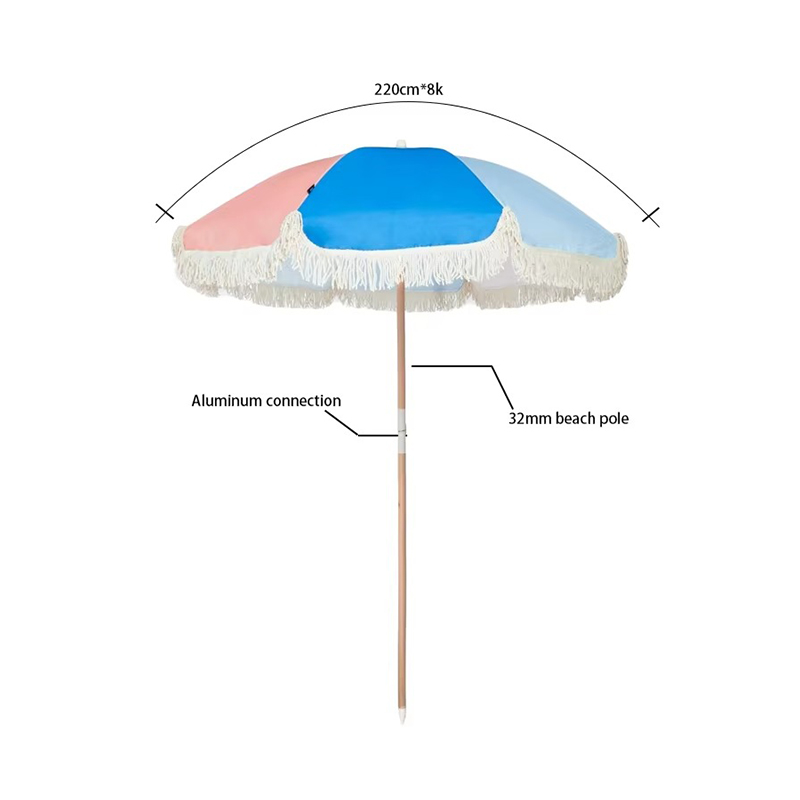
Getting the Most Shade from Your Beach Umbrella Throughout the Day
The whole point of a beach umbrella is UV protection, and a fixed, vertical canopy gives you maybe three to four hours of effective shade before the sun angles out from under it. Here is how to use the tilt and positioning features correctly to stay protected all day.
Understanding UV Index and Shade Timing
UV radiation at the beach is intense. The UV Index on a clear summer day at a typical coastal location reaches 9 to 11 between 10 a.m. and 2 p.m. — categorized as "very high" to "extreme." A properly positioned beach umbrella blocks 77–97% of UV rays depending on fabric density and tilt angle. Those numbers drop significantly when the sun catches the edge of a flat, un-tilted canopy.
The goal is to keep the canopy perpendicular to the sun's rays, not to the ground. That means aggressive tilting in the morning and late afternoon when the sun is low, and a more upright position near midday when it is near overhead.
Using the Tilt Mechanism
Most modern beach umbrellas have a button-release tilt or a ratchet tilt near the canopy hub. Push the button, angle the canopy toward the sun, and release. Some entry-level models only have a single fixed tilt option — they tilt in one plane only. Higher-end beach umbrella models offer 360-degree tilt adjustment, which matters enormously on a beach where you may shift your chair position throughout the day.
Check the tilt lock after every adjustment by briefly releasing your grip. If the canopy drops even slightly, the mechanism is worn or the button is not fully engaged. Re-adjust and press the button fully before letting go.
Reflective and Ambient UV
Sand reflects roughly 15–25% of UV radiation, and water reflects up to 10%. This means UV reaches you from below and from the sides, not just from above. No beach umbrella eliminates ambient and reflected UV exposure. Apply SPF 30 or higher sunscreen to any exposed skin even when sitting under shade. The umbrella dramatically reduces your direct UV dose — it does not eliminate it.
Beach Umbrella Types and Which Setup Each Requires
Not all beach umbrellas set up the same way. The setup steps above apply to the most common type — a single-pole push-in umbrella — but the market includes several distinct designs with different requirements.
- Standard Single-Pole Umbrellas (7 to 8 feet): The most common beach umbrella format. Steel or aluminum pole, 1-inch diameter, designed for sand insertion. Follow the steps above exactly. Weight ranges from 4 to 7 pounds typically.
- Cantilever Beach Umbrellas: An offset base with a wide foot plate that sits on the sand surface rather than inserting into it. Setup involves filling the base with sand or attaching weights and adjusting the arm angle. They cover more ground — up to 50 square feet — but require a much heavier base to compensate for the lateral arm design. Not suitable for windy conditions unless specifically rated for it.
- Beach Cabana Tents: Four-pole fabric shelters that stake into the sand with corner stakes rather than a center pole. Stakes typically go 12 inches deep at 45-degree outward angles. These provide UPF 50+ coverage on multiple sides, making them far more effective for families and full-day sun protection.
- Vented Canopy Umbrellas: These have a mesh or open vent panel at the top of the canopy. The vent dramatically reduces wind lift — the force that pulls an umbrella skyward — while allowing some breeze through. They are the best choice for open, exposed beaches with consistent wind. Setup is identical to standard, but they handle gusts significantly better.
- Oversized Patio-Style Beach Umbrellas (9 to 11 feet): Larger canopy diameter umbrellas designed for semi-permanent beach setups or beach clubs. They typically have 1.5-inch poles and require a dedicated sand anchor or base sleeve. Do not attempt to push these in by hand — use a mallet and anchor sleeve.
How to Close and Pack a Beach Umbrella Without Damaging It
Packing a beach umbrella correctly extends its lifespan significantly — a quality umbrella can last 5 to 8 seasons with proper care, while one that is repeatedly forced closed or stored wet may fail after one summer. Here is the right sequence:
- Close the canopy by pushing the runner ring down the pole toward you until the ribs fold inward. Do not yank — guide each rib as it collapses to prevent bending the frame.
- Once the canopy is fully folded, hold the ribs together and spin the umbrella to remove it from the sand — reverse the twisting motion you used to insert it. Pulling straight up tears the pole out through compacted sand and stresses the tip.
- Knock sand off the pole by tapping it gently against your foot or the ground. Sand left on the pole abrades the carrying sleeve and scratches the anodized coating, leading to corrosion.
- Tie or velcro the canopy ribs together before sliding the umbrella into its sleeve. Loose ribs inside a sleeve snag, bend, and can puncture fabric.
- If the umbrella is wet or salt-sprayed, rinse it with fresh water before putting it away. Set it up briefly in a shaded area to let it air dry before storage. Storing a wet beach umbrella in a bag accelerates mold on fabric and corrosion on metal components.
Salt air is corrosive. Rinse aluminum beach umbrella poles with fresh water after every beach trip — even if you cannot see salt buildup. It takes under a minute and prevents oxidation that locks adjustment mechanisms and weakens pole joints over time.
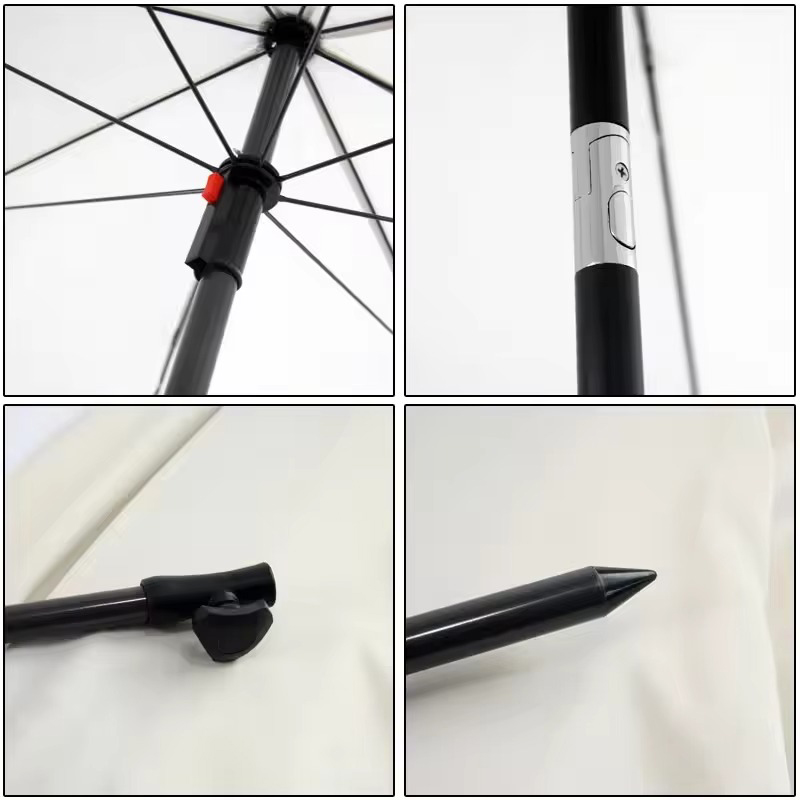
Maintenance and Storage Between Beach Trips
A beach umbrella stored correctly between trips will perform reliably season after season. The main failure points are the canopy fabric, the runner mechanism, and the pole joints.
Canopy Fabric Care
Most beach umbrella canopies are polyester with a UV-resistant coating. That coating does degrade over time, but it degrades faster when exposed to mildew and harsh cleaning agents. Spot clean with mild soap and cool water. Never run a beach umbrella canopy through a washing machine — the agitation breaks rib connections at the fabric attachment points. Air dry completely before storage.
If you notice the canopy fabric fading unevenly or the color browning at the edges, the UV coating is failing. Most canopy fabrics have a rated UPF life of 300 to 400 hours of direct sun exposure, roughly three to five full beach seasons for a typical user.
Runner and Tilt Mechanism
The push-button runner that opens and closes the canopy tends to jam when sand gets inside the spring housing. After each trip, press the button several times rapidly to dislodge sand. If it becomes stiff, a tiny amount of silicone spray on the spring pin — not WD-40, which attracts sand — will restore smooth operation. Avoid lubricating the pole itself; a slippery pole makes depth control during insertion much harder.
Pole Joints and Sections
Two-section poles join at a ferrule — a metal collar. Check this joint before each trip. If it wobbles at all, the umbrella is unsafe to use in anything above a light breeze. Replace the pole section rather than using the umbrella with a compromised joint. A beach umbrella pole that snaps under wind load can cause serious injury. Replacement pole sections for standard beach umbrella brands are widely available and cost $15 to $35.
Off-Season Storage
Store your beach umbrella in a dry location away from temperature extremes. A garage loft or a closet shelf works fine. Avoid leaning it against a wall in a folded position for an entire off-season — the ribs develop a lean-memory in cold storage that makes the canopy open unevenly the following year. Store it either flat or suspended vertically from the carrying loop.
Frequently Asked Questions About Beach Umbrella Use
How deep should a beach umbrella pole go into the sand?
At minimum 18 inches for a standard 1-inch diameter pole in average beach sand. In loose dry sand, aim for 20 to 24 inches. Depth is the single most important factor in stability — more important than tilt angle or sand compaction technique.
What angle should a beach umbrella be positioned at?
The pole should lean into the wind at approximately 45 degrees from vertical. The canopy tilt should be adjusted separately to angle toward the sun, which is a different direction on most beaches. The two adjustments — pole angle into the wind and canopy tilt toward the sun — are independent of each other.
Can I leave a beach umbrella up when I leave the beach?
No. Always take your beach umbrella with you when leaving, even briefly. A beach umbrella left unattended has no one to monitor wind conditions or collapse it when a gust arrives. Unattended umbrellas account for a significant portion of beach umbrella incidents each year. Some beaches have local rules requiring umbrellas to be attended at all times.
How do I stop my beach umbrella from spinning?
Spinning is almost always caused by the pole sitting in a hole that is too large. When you twist the pole in, you create a cylindrical hole exactly the pole's diameter. But over time or after repositioning, that hole can enlarge. Fix it by packing damp sand tightly around the base and pressing it firm with your foot. If the umbrella continues to spin, remove it, add water to the hole, allow the sand to firm slightly, and reinsert. Wet compacted sand around the base adds friction that stops rotation.
What size beach umbrella do I need?
A 6-foot canopy covers one adult comfortably. A 7.5 to 8-foot canopy is the standard for two adults. For families of three to four, consider a 9-foot umbrella or a beach cabana tent. Remember that actual usable shade is roughly 40 to 50% of the canopy diameter in square footage due to the pole angle, sun angle, and height above ground.
Does a beach umbrella protect against all UV rays?
It blocks the majority of direct UV radiation — between 77% and 97% depending on fabric rating and tilt. However, sand reflects 15–25% of UV and water reflects up to 10%, contributing to ambient UV exposure under any shade structure. Always use sunscreen in combination with your beach umbrella for complete protection.
Recommended products
Contact Us Now
Copyright 2024 @ Shaoxing Jinqiao Umbrella Co., Ltd. All Rights Reserved. OEM/ODM umbrellas manufacturers Custom Umbrellas Factory
