

 English
 中文简体
中文简体






Best Beach Umbrella for Windy Conditions: What Actually Works
Posted by Admin
Content
- 1 The Short Answer: What Makes a Beach Umbrella Truly Wind-Resistant
- 2 Key Features That Separate Wind-Resistant Beach Umbrellas from Standard Models
- 3 Top Beach Umbrella Picks for Windy Conditions
- 4 How to Set Up a Beach Umbrella Properly in Windy Conditions
- 5 Common Mistakes That Make Beach Umbrellas Fail in Wind
- 6 Wind Ratings and What They Actually Mean for Beach Umbrellas
- 7 Beach Umbrella Sizes and Wind Load: How They Are Related
- 8 Alternatives to Traditional Beach Umbrellas in High-Wind Situations
- 9 Frequently Asked Questions About Wind-Resistant Beach Umbrellas
- 9.1 What wind speed is too high for a beach umbrella?
- 9.2 Is a vented beach umbrella worth the extra cost?
- 9.3 How deep should I push a beach umbrella into the sand?
- 9.4 Does tilting a beach umbrella help in wind?
- 9.5 Are fiberglass beach umbrella poles better than aluminum for wind?
- 9.6 What is the best beach umbrella anchor for dry sand?
The Short Answer: What Makes a Beach Umbrella Truly Wind-Resistant
If you are shopping for the best beach umbrella for windy conditions, the single most important feature is a vented canopy — specifically a double-layer vented design that lets air pass through rather than catching it like a sail. A quality wind-resistant beach umbrella should also have a tilt mechanism, a sturdy fiberglass or aluminum pole of at least 1.5 inches in diameter, and a reliable sand anchor system. Models with these four features consistently outperform standard umbrellas in winds up to 30 mph without flipping or collapsing.
Wind is the number one reason beach umbrellas fail. According to data from the U.S. Consumer Product Safety Commission, thousands of umbrella-related beach injuries occur every year, the majority caused by unsecured or wind-damaged umbrellas. Choosing a wind-rated beach umbrella is not just about comfort — it is a matter of safety.
Key Features That Separate Wind-Resistant Beach Umbrellas from Standard Models
Not every beach umbrella on the market is built to handle real coastal wind. Here is a breakdown of the structural and material differences that matter most when wind is a factor.
Double-Layer Vented Canopy
A vented canopy features an opening at the top of the umbrella where two layers of fabric are separated by a gap. When wind hits the canopy, instead of building pressure beneath the fabric and launching the entire umbrella into the air, the air escapes through the vent. Models with a double-vent design reduce wind load on the canopy by up to 40% compared to solid-canopy designs. Look for umbrellas where the vent gap is at least 3–4 inches wide for meaningful airflow.
Pole Material and Diameter
The pole is the spine of any beach umbrella. In windy conditions, a thin or hollow aluminum pole will bend or snap. The best options are:
- Fiberglass poles: flexible enough to absorb gusts without snapping, highly corrosion-resistant
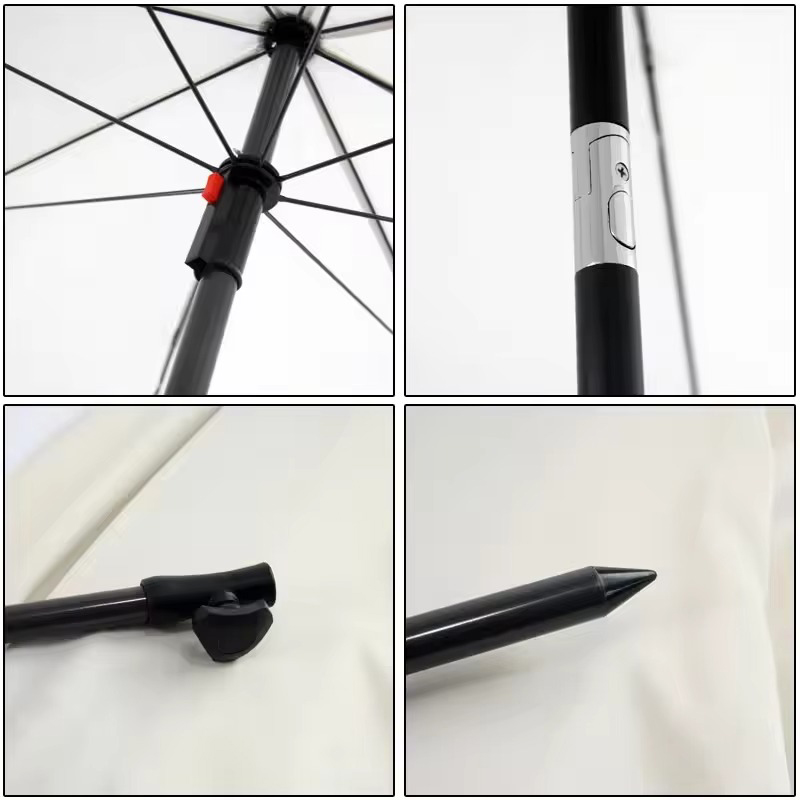
- Heavy-gauge aluminum (6061 series): lightweight but with excellent rigidity when the diameter is 1.5 inches or more
- Steel poles: heaviest and strongest but prone to rust in salt air; less common in premium beach umbrella designs
For most beach umbrellas used in moderately windy conditions (15–25 mph), a fiberglass pole is the best all-around choice. For high-wind coastal areas where gusts regularly exceed 25 mph, prioritize pole diameter over material — a thicker pole at 1.75 inches provides significantly more stability.
Tilt Mechanism
A tilting pole allows you to angle the canopy into the wind rather than presenting its full face to oncoming gusts. This simple adjustment can dramatically reduce the effective wind load on the umbrella. The best beach umbrellas for windy conditions include a push-button or crank tilt that lets you angle the canopy anywhere from 10 to 45 degrees off vertical. Without a tilt function, you are left fighting the wind at maximum resistance.
Canopy Fabric and UV Rating
Wind-resistant beach umbrellas should use tightly woven, coated polyester or nylon fabrics rated at UPF 50+. These fabrics resist tearing under stress and hold their shape after repeated exposure to wind and salt air. Cheaper polyethylene or thin canvas canopies are prone to fraying, delaminating, and tearing at the seams — problems that appear quickly in breezy beach environments. Look for fabrics with a denier count of at least 180D for durability.
Sand Anchor and Spike Design
An umbrella is only as wind-resistant as its anchor. The spike or sand screw at the base of the pole must be able to hold the umbrella firmly in loose, dry sand — which shifts far more than wet sand. Screw-in sand anchors with a spiral design outperform straight spike inserts by a factor of 3 to 1 in pull-out resistance tests. The anchor should be inserted at an angle (roughly 15–20 degrees leaning into the wind) and buried to a depth of at least 18 inches for reliable hold in typical coastal winds.
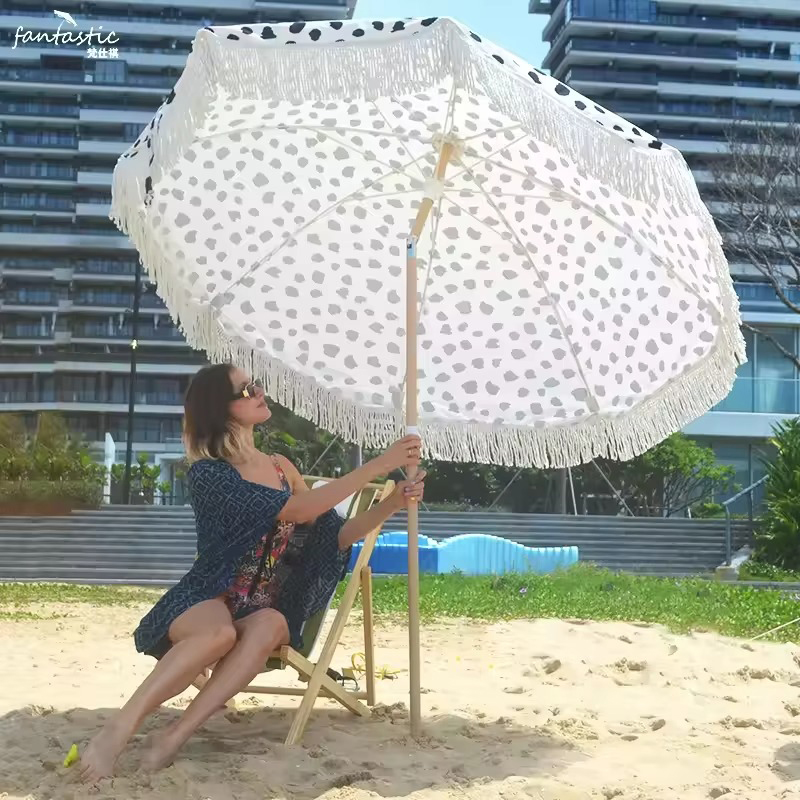
Top Beach Umbrella Picks for Windy Conditions
Based on structural quality, wind performance, and customer durability data, the following categories of beach umbrellas stand out for use in breezy or windy coastal environments.
| Umbrella Type | Wind Rating | Canopy Type | Best For | Approx. Price Range |
|---|---|---|---|---|
| Double-Vent Fiberglass | Up to 30 mph | Double vented | Everyday breezy beaches | $60–$120 |
| Heavy-Duty Cantilever | Up to 25 mph | Single or double vented | Large groups, shade coverage | $150–$400 |
| Sport/Anchor Combo | Up to 35 mph | Solid reinforced | High-wind coastlines | $80–$160 |
| Compact Travel Umbrella | Up to 20 mph | Single vented | Casual beach days, travel | $30–$70 |
Double-Vent Fiberglass Models
This is the category that most consistently earns top marks from buyers who use their beach umbrella on exposed coastlines. The combination of a flexible fiberglass pole and a dual-vent canopy gives these umbrellas a meaningful wind tolerance advantage. Reputable versions typically feature 8 fiberglass ribs, stainless steel hub hardware, and a 7.5-foot canopy — large enough for two people. Brands like Sport-Brella, Tommy Bahama's heavy-duty line, and Blulu produce well-regarded versions in this category.
Sport Beach Umbrella with Screw Anchor
Sport-style beach umbrellas are designed from the ground up for active coastal environments. They typically come with a dedicated sand screw anchor (sometimes included, sometimes sold separately), a push-button tilt, and reinforced canopy stitching at all stress points. The EasyGo Products Hurricane beach umbrella, for example, is rated for sustained winds up to 35 mph and has a spiral sand anchor that sets in under 60 seconds — making it one of the most practical options for windy beach conditions.
Clamp-Style Beach Umbrellas
For those who bring their own beach chairs, clamp-style umbrellas attach directly to the chair frame and eliminate the spike-in-sand variable entirely. These are not ideal for full-sun coverage or large groups, but for solo travelers or couples who want reliable, wind-resistant shade, they eliminate the biggest source of umbrella failure: a poorly set ground anchor. The downside is canopy size — most clamp models top out at 5 feet in diameter, compared to 6.5–8 feet for pole-mounted beach umbrellas.
How to Set Up a Beach Umbrella Properly in Windy Conditions
Even the best beach umbrella for windy conditions will fail if it is not set up correctly. Proper installation is a skill that significantly extends umbrella lifespan and protects people nearby.
- Choose your spot carefully. Avoid the driest, loosest sand near the dune line. Wet or damp sand holds a spike far more securely. If you are on dry sand, go deeper with your anchor — at least 24 inches instead of the standard 18.
- Use a screw anchor, not a straight push. Twist the pole or use a dedicated sand screw so the anchor threads into the sand rather than just pushing a column of loose material aside. This increases pull-out resistance dramatically.
- Angle into the wind. Tilt the pole 15–20 degrees in the direction the wind is coming from. This reduces the surface area the wind hits and makes your setup far more stable.
- Use the tilt mechanism actively. As wind direction shifts throughout the day, re-angle the canopy. Do not leave it set at a fixed position and walk away for hours.
- Add a sand bag or secondary anchor. Many high-wind beach umbrella setups include a sandbag looped around the base of the pole for additional stability. This is especially useful on exposed, high-traffic beaches where people walking past create constant vibrations in the sand.
- Close the umbrella if winds exceed 30 mph. No beach umbrella is safe as an open canopy in storm-force gusts. Collapsing and securing it is always the right call when conditions deteriorate quickly.
Common Mistakes That Make Beach Umbrellas Fail in Wind
Understanding what goes wrong helps you avoid it. The following are the most frequently cited causes of beach umbrella failure in windy conditions.
Buying Based on Canopy Size Alone
A large canopy catches more wind. An 8-foot canopy in a 20 mph wind exerts roughly twice the force of a 6-foot canopy under identical conditions. If you are shopping for a beach umbrella specifically because you want extra shade, make sure the pole and anchor system are proportionally heavier-duty. Pairing a large-canopy beach umbrella with a standard thin spike in dry sand is a reliable way to end up chasing your umbrella down the beach.
Ignoring Rib Count
Canopy ribs are the structural supports that hold the fabric in shape. Most budget beach umbrellas use 6 thin steel ribs. Higher-quality wind-resistant models use 8 or more ribs made from fiberglass or heavy aluminum. More ribs mean shorter unsupported spans of fabric, which reduces flapping, tearing, and inversion in gusty conditions. At 8 ribs with fiberglass construction, a beach umbrella canopy is approximately 35% more resistant to inversion than a 6-rib steel version.
Skipping the Sandbag
Sand anchor depth alone is not always enough on beaches with very fine, dry sand. A secondary weight at the base of the pole — even a small dry bag filled with wet sand — provides meaningful additional stability. This is a $10–$20 accessory that many experienced beachgoers consider non-negotiable on high-wind days.
Not Retightening After Setup
Even a well-set anchor can loosen over time as the vibration from wind and foot traffic gradually shifts the sand around it. Checking and retightening the pole every 30–60 minutes on windy days is a simple habit that prevents most unplanned umbrella escapes.
Wind Ratings and What They Actually Mean for Beach Umbrellas
Manufacturers increasingly advertise specific wind resistance ratings for beach umbrellas, but these numbers are not always measured the same way. Here is how to interpret them.
The Beaufort wind scale provides useful real-world context. A Beaufort Force 4 wind (13–18 mph) is described as a "moderate breeze" and is common on exposed coastlines during summer afternoons. Force 5 (19–24 mph) is a "fresh breeze" with small branches moving and whitecaps on water. Force 6 (25–31 mph) is a "strong breeze" — this is the upper boundary for most consumer beach umbrellas with a wind rating.
When a beach umbrella is rated to 30 mph, that typically means the product has been tested in a controlled environment at sustained wind speeds of 30 mph. Real-world gusts can exceed the sustained average by 30–40% — so a "30 mph rated" umbrella should realistically be treated as safe in conditions with sustained winds up to about 22–25 mph, with gusts potentially hitting 30 mph.
Third-party testing and certification (such as the UL or ASTM standards for outdoor furniture) adds credibility to wind resistance claims. If a beach umbrella is advertised with a specific wind rating but cites no testing standard, treat the number as marketing language rather than an engineering specification.
Beach Umbrella Sizes and Wind Load: How They Are Related
Choosing the right canopy diameter for your conditions is more important than most buyers realize. Larger beach umbrellas provide more shade but also create a much larger sail effect in the wind.
- 5–6 feet diameter: Best for solo use or couples. Lowest wind load. Easiest to manage on exposed coastlines.
- 6.5–7 feet diameter: The most common size for family beach umbrellas. Provides good coverage while remaining manageable in moderate wind with a proper anchor.
- 7.5–8 feet diameter: Suitable for groups of 3–4 people. Requires a heavy-duty pole, deep anchor, and vented canopy to perform safely in wind above 15 mph.
- 9+ feet diameter: Commercial or semi-permanent installation. Not appropriate for typical beach day setups in any meaningful wind.
If you are regularly visiting a beach known for consistent afternoon wind — Outer Banks in North Carolina, Cape Hatteras, Malibu in summer, or any exposed Atlantic coast beach — sizing down by one category and investing in a higher-quality pole and anchor system will serve you better than buying the largest shade canopy available.
Alternatives to Traditional Beach Umbrellas in High-Wind Situations
Sometimes a standard pole-and-canopy beach umbrella is the wrong tool for the conditions. If you are regularly dealing with winds above 25–30 mph, these alternatives may offer more reliable performance.
Beach Tents and Pop-Up Canopy Shelters
A beach tent — sometimes called a beach cabana or pop-up sun shelter — has a much lower wind profile than a traditional beach umbrella because the structure sits closer to the ground and has mesh or open panels that reduce pressure buildup. Models from companies like Pacific Breeze, Neso, and Coleman's beach line are specifically engineered for coastal wind. The tradeoff is setup time (5–10 minutes vs. under 2 minutes for an umbrella) and bulk when carrying.
Windbreak Screens
Popular on UK and European beaches, windbreak screens are fabric panels staked into the sand to create a personal wind barrier around your beach area. They do not provide overhead shade but dramatically reduce the felt wind speed at ground level. Used in combination with a compact beach umbrella, this is one of the most practical setups for genuinely windy coastal conditions.
Weighted Base Patio Umbrellas
For semi-permanent or resort-style beach setups, weighted base patio umbrellas — typically 50–100 lb bases — provide a level of stability no sand anchor can match. These are practical for private beach properties or designated beach club areas, but clearly impractical for day-trip beachgoers.
Frequently Asked Questions About Wind-Resistant Beach Umbrellas
What wind speed is too high for a beach umbrella?
Most consumer beach umbrellas — even good quality ones — should be closed in sustained winds above 25 mph. Gusts at this speed can transform an open umbrella into a dangerous projectile. The general safety guideline recommended by beach safety organizations is to close and secure your beach umbrella any time you see whitecaps on the water and feel consistent strong wind, regardless of its rated maximum.
Is a vented beach umbrella worth the extra cost?
Yes, without reservation. A double-vent canopy typically adds $20–$40 to the cost of a beach umbrella compared to a solid-canopy model of similar quality. Given that the vent reduces the primary cause of umbrella failure and injury in windy conditions, the cost-benefit calculation strongly favors the vented design for anyone who regularly uses a beach umbrella on an open coastline.
How deep should I push a beach umbrella into the sand?
At minimum 18 inches, ideally 24 inches in dry or loose sand. The pole should be angled 15–20 degrees into the prevailing wind direction, not inserted vertically. Using a screw-in sand anchor rather than pushing straight down increases holding power significantly — by approximately 3x in standardized pull-out tests on dry sand.
Does tilting a beach umbrella help in wind?
Yes. Angling the canopy into the wind reduces the effective surface area the wind pushes against, lowering wind load on the entire structure. A 30-degree tilt into a headwind can reduce the force on the pole and anchor by 20–30%. All quality wind-resistant beach umbrellas include a tilt mechanism for this reason.
Are fiberglass beach umbrella poles better than aluminum for wind?
For most consumers, yes. Fiberglass is slightly flexible, meaning it absorbs sudden gusts with a slight bend rather than transferring the full force to the anchor point and ribs. Aluminum is stiffer — which is good up to a point, but a sudden overload can cause a catastrophic bend or break. Fiberglass poles typically survive overload conditions that would permanently damage an aluminum equivalent.
What is the best beach umbrella anchor for dry sand?
A spiral sand screw anchor is the best option for dry, loose sand. These devices thread into the sand like a corkscrew, creating mechanical resistance in all directions rather than just down. The most reliable models have a handle or loop at the top for torque during installation and are made from rust-resistant aluminum or stainless steel to survive repeated salt-air exposure.
Recommended products
Contact Us Now
Copyright 2024 @ Shaoxing Jinqiao Umbrella Co., Ltd. All Rights Reserved. OEM/ODM umbrellas manufacturers Custom Umbrellas Factory
