

 English
 中文简体
中文简体






What is a handy beach umbrella?
Posted by Admin
Content
- 1 Why a Handy Beach Umbrella Matters More Than You Think
- 2 Key Features That Define a Truly Handy Beach Umbrella
- 3 Comparing Beach Umbrella Types: Which Style Fits Your Needs
- 4 Top Recommended Handy Beach Umbrellas by Use Case
- 5 How to Properly Set Up a Beach Umbrella for Safety and Stability
- 6 Materials Breakdown: What Your Beach Umbrella Is Actually Made Of
- 7 The Real Cost of Buying a Cheap Beach Umbrella
- 8 Caring for Your Beach Umbrella to Extend Its Lifespan
- 9 Beach Umbrella Safety Rules and Local Regulations
- 10 Accessories That Make Your Beach Umbrella Setup More Functional
- 11 Frequently Asked Questions About Handy Beach Umbrellas
- 12 Final Thoughts: Getting the Most Out of a Handy Beach Umbrella
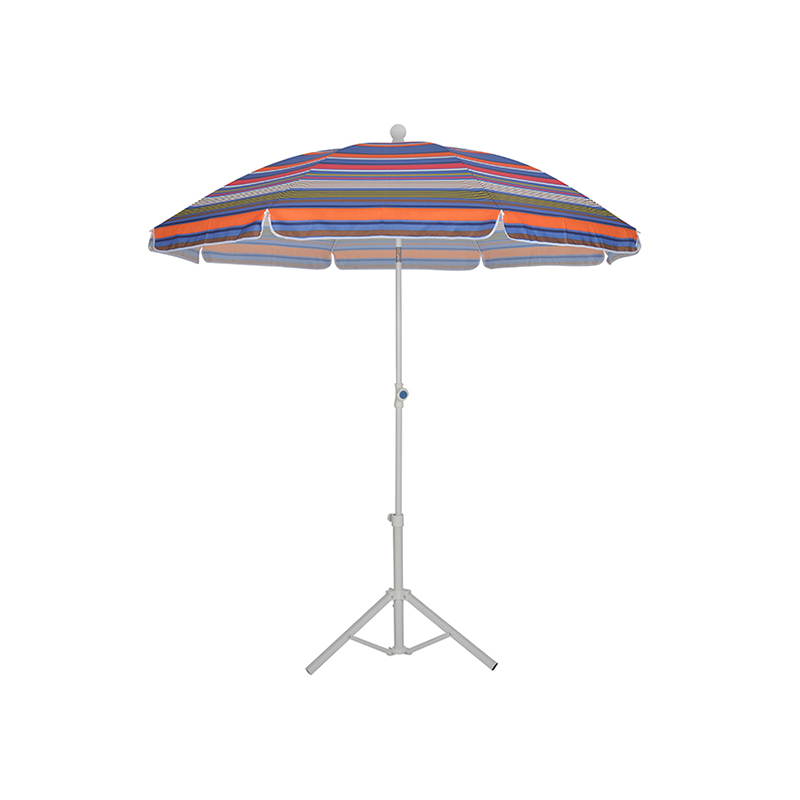
A handy beach umbrella is one of the most practical investments you can make for a day at the shore. The short answer: the best handy beach umbrella combines a compact, lightweight design with a reliable anchoring system, UV protection rated at UPF 50+, and a canopy large enough to shade at least two adults. If you walk away with one takeaway from this guide, it should be that portability and sun protection are not mutually exclusive — modern beach umbrellas deliver both, and knowing what to look for saves you from a soggy, sun-scorched afternoon with a flimsy pole in the sand.
Whether you're heading to a crowded boardwalk beach, a remote coastal inlet, or a lakeside retreat, the right beach umbrella transforms the experience entirely. This guide covers every dimension of selecting, setting up, and getting the most out of a handy beach umbrella — from canopy materials and anchoring mechanisms to wind resistance ratings and the hidden costs of buying cheap.
Why a Handy Beach Umbrella Matters More Than You Think
Skin cancer is the most commonly diagnosed cancer in the United States, with the Skin Cancer Foundation reporting that roughly 1 in 5 Americans will develop skin cancer by age 70. UV radiation from the sun is the primary culprit, and beach environments are among the most dangerous exposure zones because UV rays reflect off both sand and water — effectively hitting you from multiple angles simultaneously. A quality beach umbrella with proper UPF certification blocks up to 98% of UVA and UVB rays when positioned correctly.
Beyond sun safety, the comfort factor is real. Sand surface temperatures on a sunny day regularly exceed 120°F (49°C), while ambient air temperatures in direct sunlight can feel 10–15°F hotter than in the shade. A beach umbrella doesn't just protect your skin — it creates a microclimate that makes extended outdoor time sustainable rather than punishing.
The "handy" qualifier is important. A beach umbrella that takes 20 minutes to set up, weighs 12 pounds, and doesn't fit in your car trunk is not actually convenient — it's a burden. The growing category of handy beach umbrellas specifically prioritizes carry weight, setup time, and packaged dimensions without sacrificing shade coverage or structural integrity.
Key Features That Define a Truly Handy Beach Umbrella
Weight and Packed Dimensions
The most genuinely portable beach umbrellas weigh between 2.5 and 5 pounds and pack down to 24–32 inches in length. Anything heavier than 6 pounds starts to feel burdensome after a quarter-mile walk across hot sand, especially if you're also carrying a cooler, chairs, and beach bags. Aluminum and fiberglass poles are the go-to materials in this weight class — steel poles offer durability but push the weight above the "handy" threshold.
Canopy Size and Shape
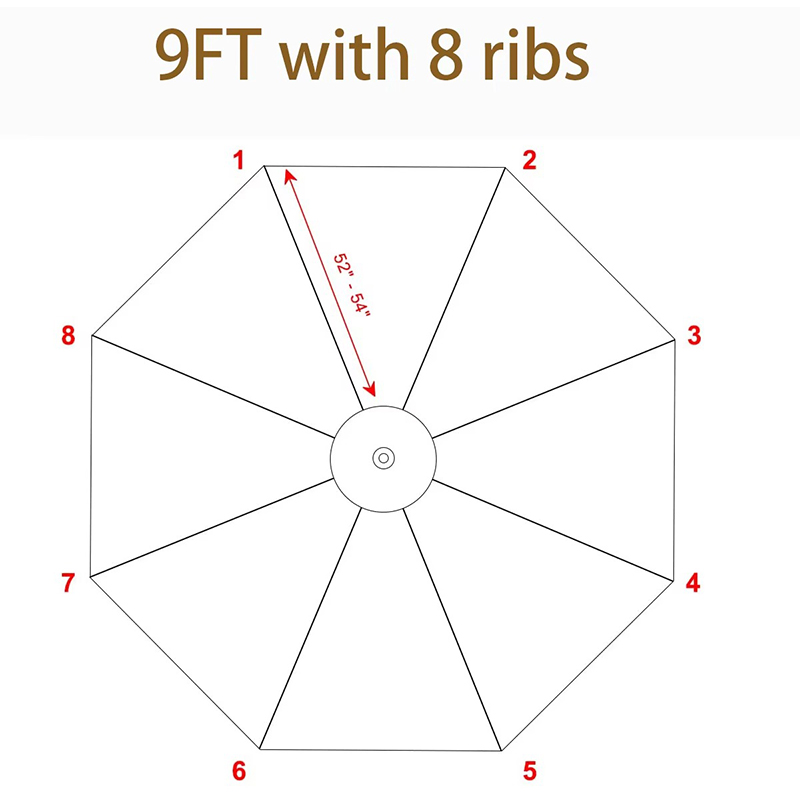
Standard beach umbrellas have canopy diameters between 6 and 7.5 feet. A 6-foot canopy comfortably shades one or two adults lying flat on beach towels, while a 7.5-foot canopy can accommodate three to four people. Some designs use a tilting mechanism that adjusts the canopy angle up to 30–45 degrees, which is critical for blocking low-angle morning or afternoon sun. Vented canopies — featuring a secondary layer at the top that allows air to escape — dramatically improve stability in wind and are worth seeking out even if they add slightly to the price.
Anchoring System
A beach umbrella that flies out of the sand is not just inconvenient — it's a documented safety hazard. The Consumer Product Safety Commission has recorded hundreds of injuries annually from airborne beach umbrellas, including several fatalities. The anchoring system is therefore one of the most critical features to evaluate. Screw-in auger-style bases are considered the gold standard: they thread into the sand rather than just being pushed in, providing significantly greater resistance to lateral wind forces. Look for a base with at least 3–4 full rotations of threading and a diameter of no less than 1.5 inches.
UPF Rating and Fabric Quality
Not all umbrella canopy fabrics are created equal. The UPF (Ultraviolet Protection Factor) rating indicates how much UV radiation the fabric blocks. A UPF 50+ rating — the highest standard — blocks more than 98% of UV radiation. Look for canopies made from solution-dyed polyester or specialty fabrics like Sunbrella, which maintain their UV-blocking properties even after repeated washing and extended sun exposure. Lighter-colored or thin fabrics that haven't been rated may provide far less protection than assumed, sometimes as little as UPF 5–10.
Wind Resistance
Coastal environments are reliably windy. A practical benchmark to apply: a well-engineered beach umbrella should handle sustained winds of 20–25 mph without collapsing or becoming unstable. Vented double-layer canopies, wider pole diameters (at least 1 inch), and fiberglass ribs rather than steel all contribute to wind resistance. Some manufacturers publish wind ratings; if that data isn't available, the presence of a vent and a screw-in base are proxy indicators of better wind performance.
Comparing Beach Umbrella Types: Which Style Fits Your Needs
The beach umbrella market has evolved well beyond the single-pole stick-in-the-sand design. Understanding the main categories helps narrow the selection quickly.
| Type | Typical Weight | Canopy Size | Setup Time | Best For |
|---|---|---|---|---|
| Classic Single-Pole | 4–7 lbs | 6–7.5 ft | 2–5 min | General use, 1–3 people |
| Auger-Base Tilting | 3.5–5 lbs | 6–7 ft | 3–6 min | Windy beaches, all-day shade |
| Pop-Up / Instant | 2.5–4 lbs | 5–6.5 ft | Under 1 min | Families, quick setup |
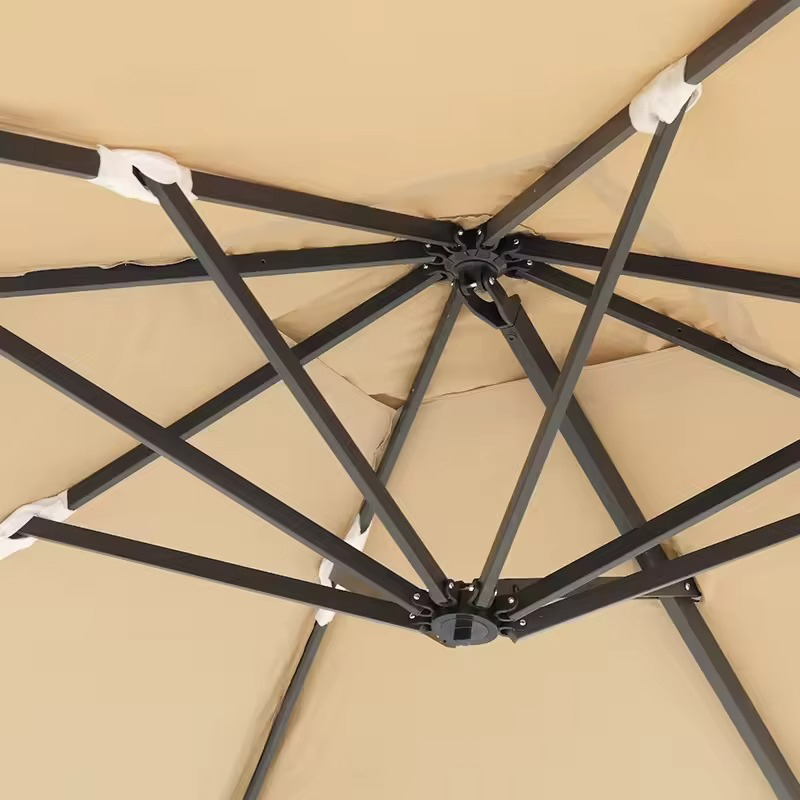
| Cantilever / Side Pole | 8–15 lbs | 8–10 ft | 10–20 min | Groups, semi-permanent setups |
| Backpack-Style | 2.5–3.5 lbs | 5.5–6.5 ft | 2–4 min | Solo travelers, long walks |
For most users seeking a handy beach umbrella, the auger-base tilting and backpack-style categories offer the best balance of convenience and performance. Pop-up designs sacrifice some stability for speed, making them better suited for calm weather conditions. Cantilever umbrellas are genuinely excellent for large groups but fall outside the "handy" category due to their weight.
Top Recommended Handy Beach Umbrellas by Use Case
Rather than ranking by price or brand alone, it's more useful to match umbrella characteristics to specific situations. Here are the most relevant combinations:
Best for Solo Travelers and Backpackers
A solo traveler walking from a distant parking lot or carrying everything in a single backpack needs a beach umbrella that weighs under 3.5 pounds and packs to under 28 inches. Models like the Sport-Brella XL and EasyGo 6.5-foot variants hit this mark. The carry bag matters: a shoulder strap with padding eliminates the awkward tuck-under-arm carry that fatigues the shoulder on longer walks. At this weight class, canopy diameters typically top out at 6.5 feet, which provides adequate shade for one person stretched out on a towel with some margin.
Best for Families with Young Children
Families need coverage, not minimalism. A 7- to 7.5-foot canopy provides meaningful extra shade area — the difference between fitting two kids and two adults under a single umbrella versus needing two umbrellas. A tilt mechanism is practically mandatory since kids tend to plant themselves where they plant themselves, not necessarily in optimal shade alignment. Setup simplicity also matters when you're managing small children: a color-coded pole system or single-button locking mechanism shaves precious minutes during a chaotic beach setup.
Best for Windy, Exposed Beaches
Beaches on the Atlantic coast, the Pacific Northwest, and coastal areas of the Gulf regularly see sustained wind speeds above 15 mph. On these beaches, a vented canopy and a screw-in auger base are non-negotiable features. The Shibumi Shade (a kite-style sail rather than a traditional umbrella) and the G4Free auger-base umbrella are consistently cited examples in wind-prone conditions. Look specifically for double-layer vent designs, which allow wind to pass through the top layer rather than accumulating pressure that lifts the entire canopy.
Best for Maximum UV Protection
For people with photosensitivity, fair skin, or specific medical conditions requiring strict sun avoidance, UPF rating is the primary criterion. Brands like Coolibar, Solumbra, and certain Shadylace models build their entire product proposition around UV protection, using tightly woven, treated fabrics with independently verified UPF 50+ ratings. Some of these designs also feature lower canopy edges or side panels that reduce indirect UV exposure from reflections off the sand and water — a real advantage that standard beach umbrellas don't provide.
How to Properly Set Up a Beach Umbrella for Safety and Stability
Setup technique has a disproportionate impact on how well a beach umbrella performs. A high-quality umbrella installed incorrectly will fail in wind. A mid-range umbrella installed correctly will outperform expectations. Follow these steps:
- Choose wet sand over dry sand. The first 6–12 inches from the waterline contain moist, compacted sand with far greater holding power than the loose dry sand further up the beach. If you prefer to set up away from the waterline, bring a gallon of water to wet the sand around your anchor point.
- Use a screw-in motion, not a push. For auger-style bases, rotate the pole clockwise while applying downward pressure. This threads the base into the sand rather than simply displacing it. Continue until at least 12–18 inches of the pole are submerged.
- Angle the pole into the wind. A beach umbrella installed perfectly vertical acts like a sail in crosswind. Tilt the pole 15–30 degrees into the prevailing wind direction, which creates a mechanical advantage that resists uplift.
- Check the canopy tilt regularly. The sun moves approximately 15 degrees per hour. An umbrella that provided perfect shade at 10 AM is mostly decorative by noon without adjustment. Build a habit of tilting every hour or so.
- Take it down during wind gusts. The National Weather Service advises bringing beach umbrellas down when gusts exceed 25 mph. No anchoring technique fully neutralizes the forces involved in a sustained gust at that speed.
One setup detail that's frequently overlooked: the sand anchor depth. Tests conducted by sports safety researchers found that umbrellas inserted to a depth of only 6 inches required 8–10 lbs of lateral force to dislodge, while umbrellas inserted to 18 inches required over 40 lbs of lateral force. Depth is the single most controllable variable in umbrella stability.
Materials Breakdown: What Your Beach Umbrella Is Actually Made Of
Understanding the materials in a beach umbrella helps evaluate durability and long-term value. Here's what the specs actually mean:
Pole Materials
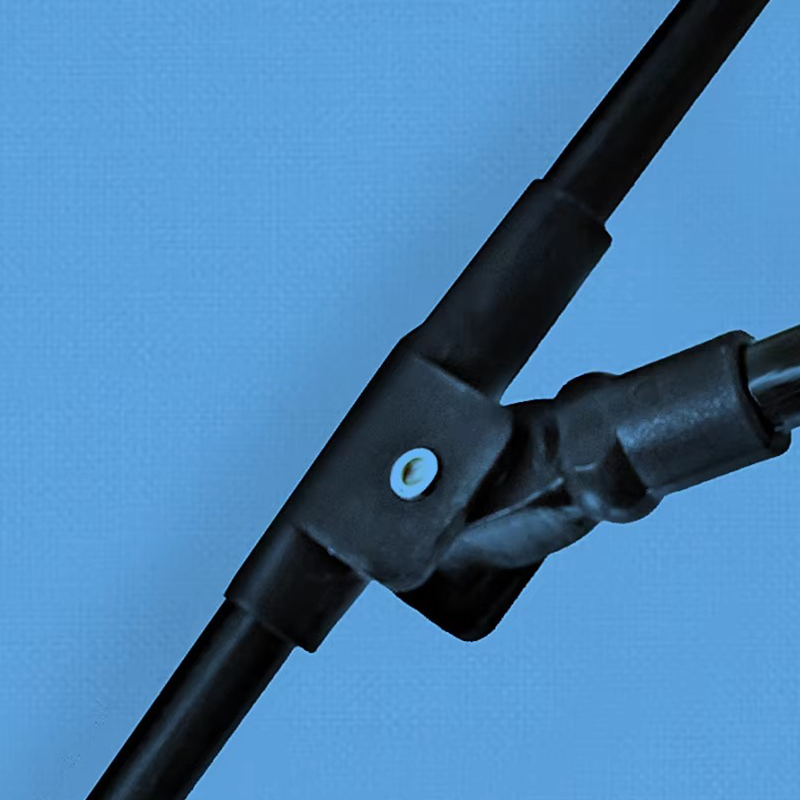
- Aluminum: Lightweight (typically saving 1–2 lbs over steel), corrosion-resistant, and adequate for normal beach conditions. Most handy beach umbrellas use aluminum. Weakness: can bend rather than spring back under heavy lateral pressure.
- Fiberglass: Slightly heavier than aluminum but more flexible and more resistant to snapping. Common in high-wind models. Fiberglass ribs are particularly valuable — they flex under wind load and return to shape rather than creasing permanently like metal ribs.
- Steel: Heaviest option. Found in budget umbrellas and commercial-grade equipment. Prone to rust at welds if the protective coating is scratched. Not recommended for frequent beach use.
Canopy Fabrics
- Solution-dyed polyester: The color is embedded in the fiber rather than applied as a coating, which means UV exposure and washing don't fade the color or degrade the UPF rating over time. This is the most common fabric in mid-to-high quality beach umbrellas.
- Sunbrella acrylic: A premium fabric used in marine and outdoor applications. Extremely UV-resistant, colorfast, and mold/mildew resistant. Umbrellas using Sunbrella fabric command a price premium but last significantly longer — 5–7 years of regular use versus 2–3 years for standard polyester.
- Coated nylon: Lightweight and water-resistant but degrades faster under prolonged UV exposure. Better suited for occasional use than daily summer sessions.
The Real Cost of Buying a Cheap Beach Umbrella
A $15 beach umbrella from a convenience store seems like a bargain until you do the math. Entry-level umbrellas typically last one to two seasons of regular use before the canopy fades, the pole bends, or the ribs break. A mid-range handy beach umbrella priced between $40 and $80 routinely lasts four to six seasons with basic care, making the per-use cost substantially lower.
There are also safety costs to consider. Low-quality beach umbrellas typically use push-in pole designs without sand anchors, thin canopy fabric with low UPF ratings, and lightweight ribs that fail in moderate wind. The combination means reduced sun protection and elevated injury risk — neither of which is acceptable.
The sweet spot for most users is the $45–$75 price range. At this price point, you get genuine UPF 50+ ratings, fiberglass or quality aluminum construction, a tilt mechanism, and a screw-in base. Spending above $100 generally buys improvements in fabric longevity and canopy size rather than fundamental capability jumps.
| Price Tier | Typical Lifespan | Total Uses | Cost Per Use |
|---|---|---|---|
| Budget ($15–$25) | 1–2 seasons | 15–30 | $0.50–$1.67 |
| Mid-Range ($45–$75) | 4–6 seasons | 60–90 | $0.50–$1.25 |
| Premium ($100–$160) | 7–10 seasons | 105–150 | $0.67–$1.52 |
The cost-per-use analysis reveals something counterintuitive: budget umbrellas aren't actually cheaper on a per-use basis once you account for replacement frequency. The mid-range tier delivers the best value in most scenarios, particularly when paired with proper care and storage.
Caring for Your Beach Umbrella to Extend Its Lifespan
Maintenance is where most beach umbrella owners lose years of product life through simple neglect. A few consistent habits add seasons to any umbrella:
Rinse After Every Beach Day
Salt water and sand are the two primary causes of premature umbrella degradation. Salt accelerates corrosion in metal poles and ribs, while sand acts as an abrasive that eventually wears through fabric coatings and weakens welds. A 30-second rinse with fresh water after every beach trip removes the vast majority of both. Let the umbrella dry fully before storing — folding a damp umbrella into its bag traps moisture and promotes mold and rust.
Store Correctly Between Uses
Off-season storage should be indoors in a climate-controlled space. A garage or shed is acceptable but attic storage is not — extreme heat in summer attics degrades polyester fabrics and can warp fiberglass. Store the umbrella in its carry bag to protect against dust accumulation and accidental bending. If the carry bag has a drawstring closure, leave it slightly open to allow any residual moisture to escape.
Check Hardware Annually
Before the first beach trip each season, inspect the push-button locking mechanisms, the tilt joint, and the pole connections. Apply a small amount of silicone lubricant to moving parts — it resists water and won't attract sand the way petroleum-based lubricants do. Check the canopy for small tears at the rib tips, which are the most common failure points. A small tear addressed early with outdoor fabric repair tape costs nothing; ignored, it becomes a full canopy replacement.
Beach Umbrella Safety Rules and Local Regulations
Many beachgoers are unaware that beach umbrella use is regulated in a growing number of jurisdictions. Following the 2016 incident at a North Carolina beach in which a woman was critically injured by a wind-launched beach umbrella, multiple municipalities along the East Coast introduced or tightened regulations on beach umbrella use.
- Several beaches in Ocean City, Maryland and Virginia Beach, Virginia now require beach umbrellas to be anchored with screw-in auger bases rather than push-in poles.
- Some Florida state parks post wind advisories and require umbrellas to be taken down when wind speeds exceed specified thresholds.
- National Park Service beaches including Cape Hatteras National Seashore have specific ordinances governing umbrella anchoring depth and method.
Before visiting a new beach, a quick check of local ordinances takes under two minutes and prevents both safety incidents and potential fines. This is especially relevant on holiday weekends when beaches are crowded and wind-driven umbrella incidents are statistically more likely.
The American Red Cross recommends bringing beach umbrellas down whenever you leave your spot unattended, regardless of wind conditions. An unattended umbrella that comes loose has no one to notice until it's already airborne and heading toward neighboring beachgoers.
Accessories That Make Your Beach Umbrella Setup More Functional
A beach umbrella doesn't exist in isolation — the right accessories multiply its usefulness significantly. Here are the most practical additions:
Sand Anchor Bag
For umbrellas with push-in rather than screw-in bases, a sand anchor bag provides a meaningful stability upgrade. These are essentially weighted sandbags that clamp around the pole base. They add 8–15 lbs of holding force for $10–$20, which is a worthwhile investment on beaches with soft, dry sand where screw-in anchors don't hold as well.
Umbrella Clamp Hook
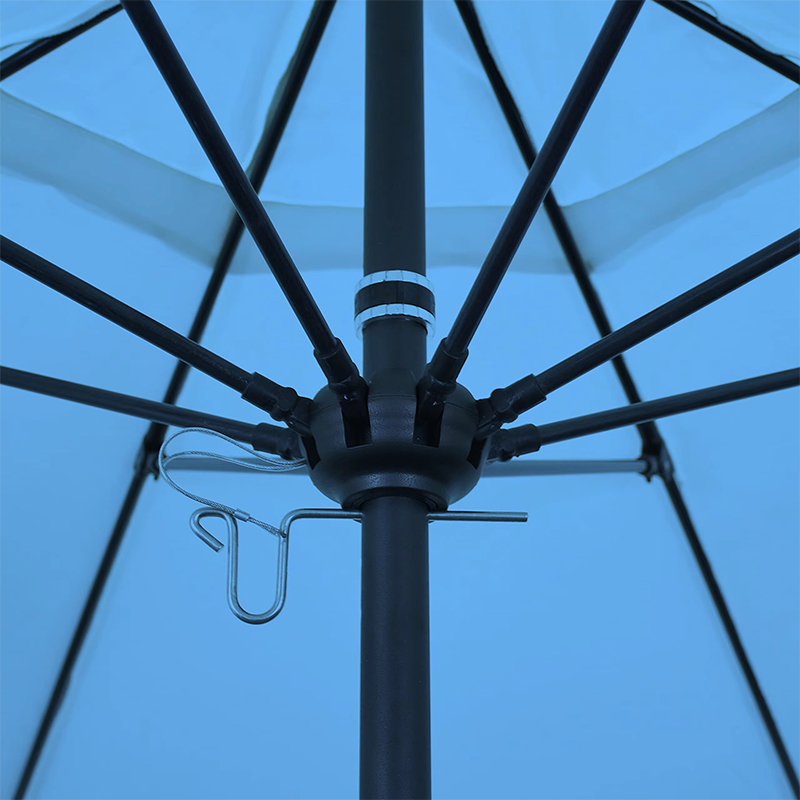
A simple S-hook or clamp attachment that slides onto the umbrella pole provides a hanging point for bags, towels, and wet swimwear. This keeps belongings off the sand and within the shaded area — a small detail that makes a real practical difference during a full day at the beach.
UV-Blocking Side Panels
Some beach umbrella models offer optional clip-on side panels that extend the shade canopy downward, creating a partial enclosure. These are particularly useful in the early morning and late afternoon when the sun is at a low angle and standard overhead canopies leave side exposure. For children or UV-sensitive adults, side panels can reduce overall UV exposure by an additional 30–40% compared to a standard canopy alone.
Insulated Carry Bag with Umbrella Sleeve
Several beach bag brands now produce oversized insulated totes with a dedicated external sleeve or strap for a beach umbrella. Carrying both the cooler and the umbrella in one system simplifies the logistics of getting from car to shore, which is where many people decide not to bother with a beach umbrella at all — the carry friction is too high. Eliminating that friction makes it substantially more likely you'll actually use your umbrella consistently.
Frequently Asked Questions About Handy Beach Umbrellas
How deep should I plant a beach umbrella?
At minimum, the pole should be inserted to a depth of 12 inches. In soft, dry sand or conditions with moderate wind, go deeper — 18 inches provides substantially greater stability. The general rule is that one-third of the total pole length should be below the sand surface.
Can I use a beach umbrella at the pool?
Yes, but pool decks typically require a weighted base rather than a sand auger. Purpose-built pool umbrella bases are available, or you can use a portable weighted base filled with water or sand. Most beach umbrellas are compatible with standard 1-inch or 1.5-inch base fittings.
Does a beach umbrella block enough UV to eliminate sunscreen?
No. Even with a UPF 50+ rated canopy, UV radiation reflected from sand and water reaches exposed skin from angles the umbrella doesn't cover. A 2017 study published in JAMA Dermatology found that shade alone reduced UV exposure by approximately 50% compared to full sun exposure, while shade plus sunscreen reduced exposure by over 75%. Sunscreen remains necessary even under a beach umbrella.
What's the best beach umbrella for high winds?
For persistently windy beaches, prioritize: (1) a double-layer vented canopy, (2) a screw-in auger base with at least 4 threads, (3) fiberglass ribs over steel, and (4) a pole diameter of at least 1.25 inches. The Shibumi Shade, while technically not a traditional beach umbrella, is widely regarded as the most wind-stable shade solution available in the handy category due to its kite-like design that generates lift rather than resisting wind.
How do I clean mold off a beach umbrella canopy?
Mix one cup of bleach with one gallon of cold water and apply with a soft brush to the affected area. Let it sit for 15 minutes, then rinse thoroughly with fresh water. For Sunbrella and solution-dyed fabrics, this treatment is safe and effective without degrading the UPF rating. For cheaper coated fabrics, spot test first as bleach can damage some coatings.
Final Thoughts: Getting the Most Out of a Handy Beach Umbrella
A handy beach umbrella is not a luxury purchase — it's a practical tool for enjoying beach environments safely and comfortably. The market has matured to the point where excellent portable options exist at every price point above $40, and the performance gap between a good mid-range umbrella and a premium model is less dramatic than the price difference implies.
The most important decisions come down to four things: UPF 50+ fabric, a screw-in auger base, a tilt mechanism, and a carry weight under 5 pounds. Get these four right, and the specific brand matters far less. Skip any of them, and you'll notice the gap — whether through a sunburn, a collapsed pole in the wind, inadequate shade coverage, or simply leaving the umbrella in the car because carrying it felt like too much effort.
A well-chosen beach umbrella that you actually bring to the beach and actually set up correctly is infinitely more valuable than a premium model sitting in storage. Portability that translates to consistent use is the real measure of a handy beach umbrella — and it's the standard worth holding any purchase to.
Recommended products
Contact Us Now
Copyright 2024 @ Shaoxing Jinqiao Umbrella Co., Ltd. All Rights Reserved. OEM/ODM umbrellas manufacturers Custom Umbrellas Factory
