

 English
 中文简体
中文简体






What Are the Key Features of a UV Protection Umbrella?
Posted by Admin
Content
- 1 What Are the Key Features of a UV Protection Umbrella?
- 2 UPF Rating: The Foundation of Every UV Protection Umbrella
- 3 Canopy Fabric and Coating: What Actually Blocks UV Rays
- 4 Canopy Size and Coverage: Why Bigger Matters for Beach Umbrellas
- 5 Structural and Mechanical Features That Make UV Umbrellas More Effective
- 6 Color, Design, and the Visual Characteristics of High-Performance UV Umbrellas
- 7 Beach Umbrellas: Specific UV Protection Requirements for Seaside Use
- 8 Handheld Sun Umbrellas vs. Beach Umbrellas: Feature Comparison
- 9 How to Choose the Right UV Protection Umbrella for Your Needs
- 10 Maintaining UV Protection Performance Over Time
- 11 Common Misconceptions About UV Protection Umbrellas
- 12 Frequently Asked Questions About UV Protection Umbrellas
- 12.1 What UPF rating should a UV protection umbrella have?
- 12.2 Do beach umbrellas actually block UV rays?
- 12.3 How can I tell if a UV umbrella is effective without testing equipment?
- 12.4 Are black umbrellas better for UV protection than white ones?
- 12.5 How long does a UV protection umbrella retain its UPF rating?
- 12.6 What is the best size for a beach umbrella for two people?
- 12.7 Can UV protection umbrellas also protect against rain?
- 12.8 Is a UV protection umbrella better than sunscreen alone?
- 12.9 Are fiberglass ribs better than steel ribs in beach umbrellas?
- 12.10 What is the difference between a UV protection umbrella and a regular sun umbrella?
What Are the Key Features of a UV Protection Umbrella?
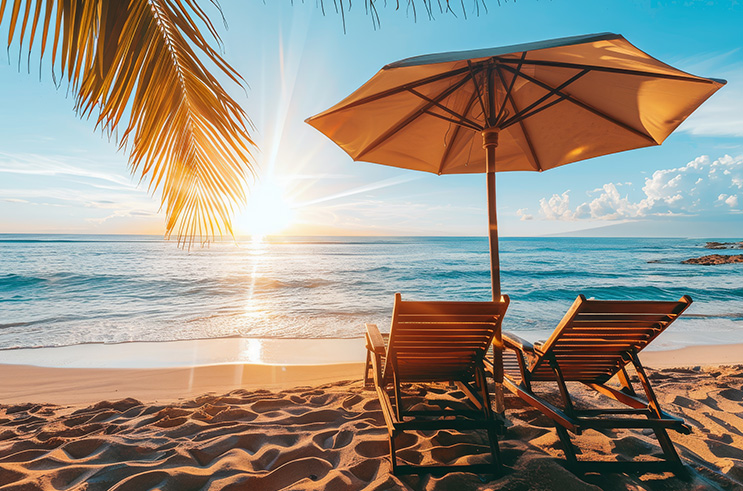
A UV protection umbrella blocks ultraviolet radiation — both UVA and UVB — using a tightly woven, coated, or multi-layer fabric that prevents rays from passing through to the skin underneath. The most critical feature is a UPF (Ultraviolet Protection Factor) rating of 50+, which blocks over 98% of UV radiation. Beyond that, effective UV-blocking umbrellas share a consistent set of design and material traits: dark or reflective canopy colors, silver or black inner linings, adequate canopy diameter, and structural stability in wind and sun. Beach umbrellas in particular need to meet higher standards due to prolonged outdoor exposure — they must block both direct sunlight and UV reflected from sand and water, which can increase UV exposure by up to 25% (WHO, UV and the Environment).
Whether you are shopping for a compact sun umbrella for daily use or a large beach umbrella for seaside vacations, understanding these features helps you make a purchase that actually protects your skin — not just one that offers shade.
UPF Rating: The Foundation of Every UV Protection Umbrella
What UPF Means in Practice
UPF stands for Ultraviolet Protection Factor. It measures how much UV radiation a fabric allows to reach the skin. A UPF 50 fabric lets through just 1/50th (2%) of UV rays. A UPF 50+ rating — the highest standard — means less than 2% of UV radiation penetrates the material. This is the benchmark used for sun-protective clothing and high-quality beach umbrellas alike.
By contrast, a standard fashion umbrella or a low-cost patio canopy may offer no tested UPF value whatsoever. Just because a canopy provides shade does not mean it blocks UV — white or light-colored thin fabrics can allow 20–40% of UV to pass through even in full shade (Skin Cancer Foundation).
UPF Rating Scale at a Glance
| UPF Rating | Protection Category | UV Blocked (%) |
|---|---|---|
| 15–24 | Good | 93.3–95.9% |
| 25–39 | Very Good | 96.0–97.4% |
| 40–50 | Excellent | 97.5–98.0% |
| 50+ | Maximum | 98%+ |
When evaluating beach umbrellas or everyday sun umbrellas, always look for an explicitly stated UPF 50+ label. Products without this certification may provide partial protection at best.
Canopy Fabric and Coating: What Actually Blocks UV Rays
The canopy material is where the real work happens. A UV protection umbrella achieves its rating through a combination of fabric weave density, fiber type, color, and coating technology. Here is a breakdown of what each element contributes:
High-Density Polyester and Nylon Weaves
Most quality UV protection umbrellas use polyester or nylon as the primary canopy fabric. These synthetic fibers naturally absorb some UV radiation, and when woven into a tight, dense structure, they leave minimal gaps for rays to pass through. Fabric with a thread count of 210T (210 threads per inch) or higher is generally considered effective for UV blocking. Some premium beach umbrellas use 300T or above for enhanced protection.
Silver and Black Inner Lining
A metallic silver or flat-black inner lining is one of the most reliable indicators of a purpose-built UV protection umbrella. Silver coatings reflect UV rays outward before they can penetrate the fabric, while black linings absorb residual UV that passes through the outer layer. Many high-end sun umbrellas — including compact handheld models and large beach umbrellas — use a dual-layer construction: a colored outer canopy for aesthetics and a silver/black inner layer for UV defense.
UV-Absorbing Chemical Coatings
Some manufacturers apply UV-absorbing chemical treatments directly to the fabric surface. These treatments contain UV-blocking compounds (such as titanium dioxide or zinc oxide nanoparticles) that convert UV radiation into heat, preventing it from reaching the skin. The downside is that these coatings can degrade with repeated washing or long-term sun exposure. For beach umbrellas that are used season after season, look for products where UV protection is built into the fiber structure rather than applied as a topcoat.
Dark and Saturated Colors
Color plays a meaningful role in UV absorption. Research published in the journal Photodermatology, Photoimmunology and Photomedicine found that dark-colored fabrics — navy, black, forest green — absorb significantly more UV radiation than pastels or whites at the same fabric weight. For beach umbrellas, a dark canopy combined with a reflective lining is the most protective combination available in consumer products.
Canopy Size and Coverage: Why Bigger Matters for Beach Umbrellas
UV protection is not just about fabric quality — coverage area directly determines how much of your body is actually shielded. A small or improperly positioned canopy can leave significant portions of the body exposed, especially as the sun angle shifts throughout the day.
Compact handheld umbrellas typically have a canopy diameter of 90–100 cm (about 35–39 inches). These are adequate for a single person standing or walking but provide limited seated coverage.
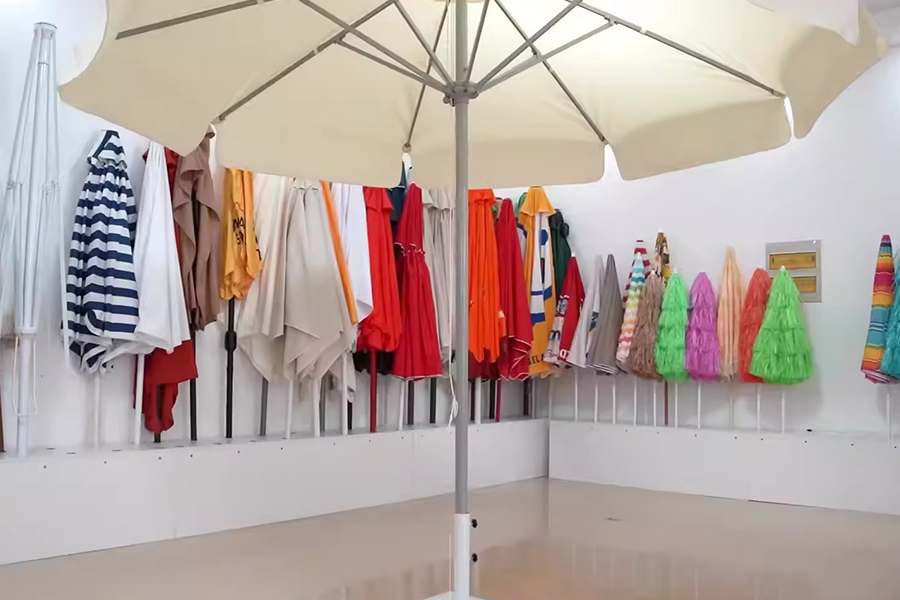
Standard beach umbrellas range from 150 cm to 200 cm (59–79 inches) in diameter. A 180 cm beach umbrella provides roughly 2.5 square meters of shade — enough for two to three adults lying on towels.
Large commercial beach umbrellas or cantilever outdoor umbrellas can extend to 250–300 cm (98–118 inches), covering six or more people. These are common at resorts, beach clubs, and pool areas.
The ideal canopy diameter depends on your use case. For a solo beach trip, a 150 cm beach umbrella is typically sufficient. For family beach outings, 200 cm or larger is recommended. It is also worth noting that the angle of the shade changes throughout the day — an umbrella positioned vertically provides peak overhead coverage at midday, while a tilting mechanism allows the canopy to follow the sun's angle in the morning and afternoon.
A tilting umbrella with an adjustable pole is a key functional feature for extended beach use. Fixed-angle beach umbrellas force users to reposition the entire pole as the sun moves, while tilt-capable models simply require adjusting the canopy angle — saving effort while maintaining consistent coverage.
Structural and Mechanical Features That Make UV Umbrellas More Effective
Even a high-UPF canopy is only useful if the umbrella stays stable, deploys easily, and holds its shape under real outdoor conditions. These structural details separate a functional sun protection tool from a novelty item:
- Windproof frame construction: Fiberglass ribs are significantly more wind-resistant than steel ribs of the same diameter. They flex rather than snap under gusts, making them the preferred choice for beach umbrellas exposed to coastal winds. Quality beach umbrella frames use 6 to 8 fiberglass or reinforced steel ribs for stability.
- Vented double canopy: A double-canopy design with a mesh or open vent at the top allows wind to pass through instead of catching the umbrella like a sail. This greatly reduces the risk of the umbrella being blown over, which is particularly important on sandy beaches where stakes may not hold securely.
- Sand anchor or spike base: Portable beach umbrellas typically feature a pointed metal or fiberglass spike at the base for insertion into sand. Some models include a screw-in auger tip (a corkscrew-style anchor) that grips sand more securely than a simple spike. For hard ground or grass, a weighted base option is preferable.
- Telescoping or adjustable pole height: A pole adjustable from 180 cm to 240 cm allows users to raise the canopy high enough to stand under comfortably or lower it for closer coverage when lying down. This flexibility is especially useful for beach umbrellas shared by users of different heights.
- Push-button or automatic open mechanism: For handheld sun umbrellas, a reliable auto-open mechanism is a practical feature. Many UV protection umbrellas for personal daily use include a single-button push-open function for one-handed operation.
- Anti-UV coating on metal parts: Some manufacturers apply rust-resistant and UV-stable coatings to the metal frame components — particularly the pole and runner — to extend lifespan under salt air and intense sun exposure.
Color, Design, and the Visual Characteristics of High-Performance UV Umbrellas
UV protection performance and visual design are more connected than many people realize. The way a beach umbrella or sun umbrella looks often reflects — quite literally — how well it performs.
Outer Canopy Color
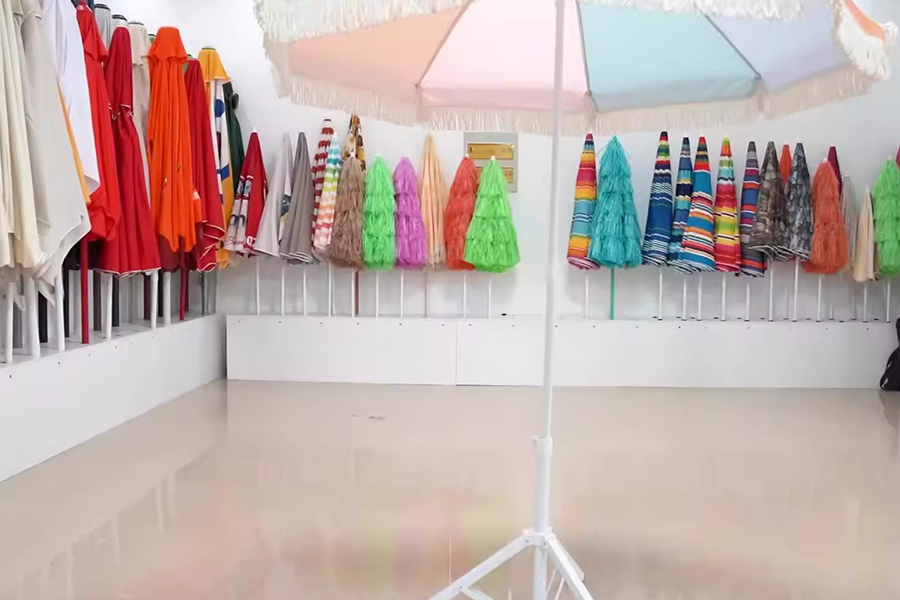
Deep, saturated tones such as charcoal, navy, deep red, and forest green provide the strongest UV absorption in the outer layer. Lighter colors like white, ivory, or pastel yellow tend to transmit more UV radiation through the fabric. This does not mean light-colored umbrellas cannot achieve UPF 50+ — but they need a more aggressive inner lining or coating to compensate. For beach umbrellas used in tropical or high-altitude locations where UV Index regularly exceeds 8–10, a darker outer canopy is a meaningful advantage.
Inner Canopy Reflectivity
The inner face of the canopy in a quality UV protection umbrella is typically silver, aluminum-coated, or matte black. Silver inner linings are highly visible and are often used as a marketing indicator of UV protection — not without reason. When light reflects off a silver lining, it is being redirected outward, reducing the UV that reaches the shaded space beneath. Some beach umbrella manufacturers apply a dual-color design with a bright outer pattern and a silver inner lining specifically to communicate protection while maintaining visual appeal at the beach.
Handle and Grip Design
For handheld UV protection umbrellas, the handle material affects usability in hot weather. Rubber or soft-grip handles prevent the umbrella from slipping in a sweaty hand and do not heat up as much as bare metal in direct sun. J-shaped handles allow the umbrella to be hung from a hook or wrist, which is practical during transit between sun and shade.
Beach Umbrellas: Specific UV Protection Requirements for Seaside Use
Beach umbrellas operate in one of the harshest UV environments possible. Sand reflects up to 15% of UV radiation back upward (WHO), and water surfaces can reflect up to 25% (Skin Cancer Foundation). This means UV exposure at the beach comes from multiple angles — not just directly overhead. A UV protection umbrella designed specifically for beach use must address this multi-directional exposure.
Low-Profile Canopy Positioning
Standard beach umbrellas held at height allow reflected UV from sand and water to enter the shaded area from the sides. Some specialized beach umbrellas address this by using a wide, low-profile canopy that extends closer to the ground or allows the user to reposition the stake at an angle, tilting the canopy toward the sun and creating a more enclosed shade zone. This setup can significantly reduce lateral UV exposure, though it also restricts air circulation.
Canopy Skirt or Side Flaps
A growing segment of beach umbrellas now include side curtain panels or a wraparound skirt that drops down from the canopy edge. These panels extend the shaded zone vertically and laterally, providing a more enclosed shelter that blocks reflected UV from the sides. This feature is particularly useful for infants, young children, and people with photosensitive skin conditions. Some models with full side panels can effectively create a UPF 50+ shelter similar to a pop-up sun tent, while still being compact and portable.
Pole Material and Sand Stability
Beach umbrellas must hold their position in loose, shifting sand under variable winds. A thick (32–38 mm diameter) steel or aluminum pole with an auger-style tip is far more stable than a thin spike. Fiberglass poles offer excellent strength-to-weight ratio and resist corrosion from saltwater — an important consideration for beach umbrellas that are stored wet or used frequently in coastal environments.
Salt Resistance and Material Durability
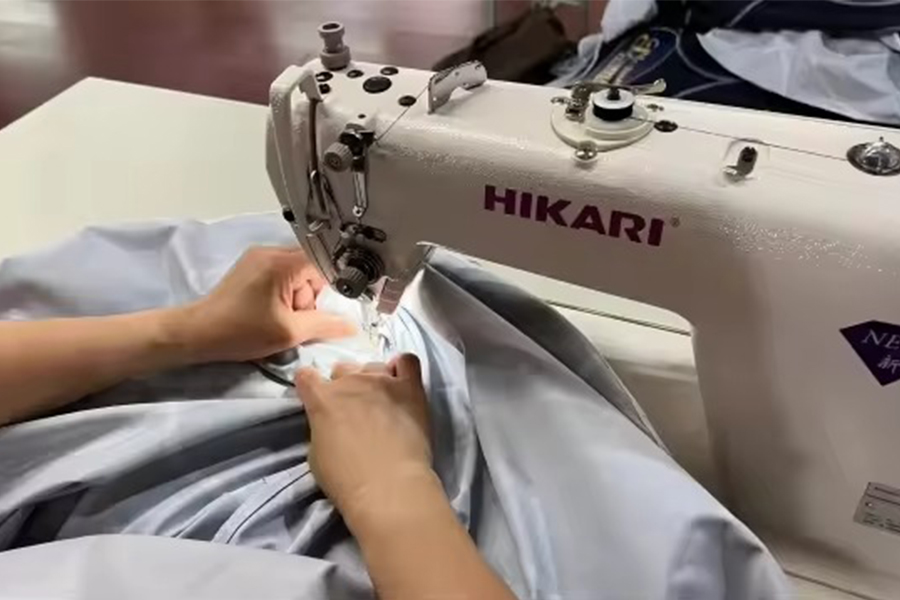
Salt air, moisture, and sand together create a highly corrosive environment. Beach umbrellas should use rust-resistant aluminum or stainless steel hardware, UV-stable synthetic fabric, and corrosion-resistant pole coatings. Fabric stitching should use UV-resistant thread — standard polyester thread can degrade and lose tensile strength after prolonged sun exposure, eventually causing seam failure. Some premium beach umbrella manufacturers use UV-stabilized nylon thread for all canopy seams.
Handheld Sun Umbrellas vs. Beach Umbrellas: Feature Comparison
Both product categories fall under the broader term "UV protection umbrella," but they are engineered for very different use cases. Here is a direct comparison of key features:
| Feature | Handheld Sun Umbrella | Beach Umbrella |
|---|---|---|
| Typical UPF Rating | UPF 30–50+ | UPF 50+ |
| Canopy Diameter | 90–110 cm | 150–300 cm |
| Frame Material | Steel / fiberglass ribs | Fiberglass / aluminum |
| Pole / Base | Handheld grip | Ground spike / auger |
| Weight | 200–500 g | 1.5–4 kg |
| Tilt Function | Manual (wrist angle) | Pole tilt mechanism |
| Salt Resistance | Moderate | High (aluminum/fiberglass) |
| Users Covered | 1 person | 2–6 people |
| Portability | High (pocket/bag size) | Moderate (carry bag) |
How to Choose the Right UV Protection Umbrella for Your Needs
With dozens of options on the market, narrowing down the right UV protection umbrella comes down to matching features to your actual use scenario. Here is a practical guide:
Daily Commute or City Use
For everyday carry, prioritize a compact, lightweight model (under 300 g) with UPF 50+, a silver or black lining, and an auto-open mechanism. A 3-fold or 5-fold compact sun umbrella that fits into a handbag is ideal. Look for a dark or dual-layer canopy and a comfortable, non-slip handle.
Beach Vacation Use
For beach trips, invest in a purpose-built beach umbrella with a minimum 180 cm canopy, fiberglass or heavy-gauge aluminum frame, auger sand anchor, tilt mechanism, and clearly labeled UPF 50+ fabric. A vented double canopy is strongly recommended for windy coastal environments. Consider models with a carry bag and strap for transport.
Outdoor Sports and Activities
For golf, hiking, or sporting events, look for a windproof, lightweight umbrella with fiberglass ribs and a reinforced runner. Some UV protection umbrella designs for sports use include a hands-free attachment that clips to a belt or backpack strap. A vented canopy prevents the umbrella from acting as a sail in crosswinds.
For Children and Sensitive Skin
Children's skin is more susceptible to UV damage. Choose a beach umbrella or personal sun umbrella with UPF 50+, a wide canopy for full coverage, and side curtain panels if available. Avoid white or very light-colored canopies without verified UPF ratings. For infants, a pop-up beach tent with UPF 50+ coverage and ventilation windows is often more practical than a traditional umbrella.
Maintaining UV Protection Performance Over Time
UV protection capability can degrade if an umbrella is not properly cared for. This is especially relevant for beach umbrellas and outdoor sun umbrellas that face repeated exposure to salt, moisture, UV itself, and mechanical stress:
- Rinse beach umbrellas with fresh water after every seaside use. Salt residue accelerates corrosion of metal parts and can degrade fabric coatings over time. Allow the canopy to dry completely before storing to prevent mold growth in humid climates.
- Store in the carry bag or sleeve. UV-protective coatings and fabric weaves can be damaged by physical abrasion. Storing the umbrella loose in a bag with hard objects (keys, bottles) causes unnecessary wear.
- Avoid machine washing UV umbrellas. Many UV-protective coatings are applied to the surface of the fabric. Machine washing can strip these coatings and reduce UPF performance. Spot-clean with mild soap and cold water instead.
- Inspect rib joints and frame connections seasonally. Fiberglass and aluminum ribs can develop hairline cracks or loose ferrule connections after heavy use. A damaged rib compromises canopy tension, reducing the effective shade area and potentially causing uneven coating stress.
- Replace if the lining fades or delaminates. A silver lining that has peeled, yellowed, or become transparent has likely lost significant UV reflective capacity. Even if the canopy structure looks intact, a degraded lining signals that the UPF performance has dropped below the original rating.
- Do not leave beach umbrellas staked in position overnight. Extended UV exposure even without human use causes cumulative fabric degradation. Repeated overnight dew and re-drying cycles accelerate this process.
Common Misconceptions About UV Protection Umbrellas
"Any umbrella provides UV protection."
Most standard rain umbrellas provide only incidental UV protection. A typical black nylon rain umbrella may offer some UV absorption due to its dark color and dense weave, but it has no tested or certified UPF rating. Purpose-built UV protection umbrellas undergo specific fabric testing and carry verifiable UPF ratings.
"Shade from a beach umbrella prevents all UV exposure."
Even under a UPF 50+ beach umbrella, users receive some UV exposure from reflective surfaces — sand (up to 15% reflection), water (up to 25%), and even concrete. Sunscreen should still be applied to exposed skin, especially the legs, which receive reflected UV from the ground surface even when sitting directly under the canopy.
"A wet umbrella fabric offers better UV protection."
Moisture temporarily changes the refractive properties of some fabrics, which can slightly reduce UV protection in untreated materials. For UV-certified fabrics, the effect is minimal — but this myth is occasionally used to justify not drying beach umbrellas before reuse, which actually promotes mold and coating degradation.
"A larger canopy is always better."
A very large beach umbrella canopy increases wind resistance significantly and can become unstable or dangerous in even moderate winds if the frame is not correspondingly reinforced. Canopy size should match frame strength — a 250 cm canopy with a lightweight single-rib frame is less effective and less safe than a 200 cm canopy with a heavy-duty vented double-rib frame.
Frequently Asked Questions About UV Protection Umbrellas
What UPF rating should a UV protection umbrella have?
For meaningful skin protection, look for a UPF 50+ rating. This blocks over 98% of UV radiation. UPF 30–40 offers good to excellent protection (97–97.5% blockage) and may be adequate for brief daily use, but for extended beach or outdoor exposure, UPF 50+ is the recommended standard.
Do beach umbrellas actually block UV rays?
Quality beach umbrellas with UPF 50+ rated canopies do block the vast majority of direct UV rays overhead. However, reflected UV from sand and water still reaches users from the sides. Using sunscreen on exposed areas even while under a beach umbrella is still advisable for full protection, particularly during peak UV hours (10 AM to 4 PM).
How can I tell if a UV umbrella is effective without testing equipment?
A practical field test is to hold the open canopy up to sunlight and look through the fabric. Minimal visible light passing through — particularly in the UV spectrum — generally correlates with higher UV blockage. A silver or dense black inner lining, combined with a dark outer canopy and verifiable UPF 50+ label, are the strongest non-lab indicators of effectiveness.
Are black umbrellas better for UV protection than white ones?
In general, yes. Dark-colored fabrics absorb more UV radiation than light-colored ones at the same fabric weight and weave density. However, a well-constructed white beach umbrella with a heavy-duty UV-blocking coating and silver lining can still achieve UPF 50+. Always verify the stated UPF rating rather than relying on color alone.
How long does a UV protection umbrella retain its UPF rating?
This depends heavily on usage frequency, storage practices, and whether the UV protection is built into the fiber or applied as a surface coating. High-quality fabric-integrated UV protection can last 2–5 years under normal use. Surface-applied coatings may degrade faster, particularly with washing, sand abrasion, or prolonged UV exposure. Visible signs of degradation include lining delamination, color fading, and thinning of the weave at stress points.
What is the best size for a beach umbrella for two people?
A beach umbrella with a canopy diameter of 180–200 cm (approximately 71–79 inches) is generally adequate for two adults lying on beach towels. For more generous coverage or if you want room for chairs and a cooler under the shade, a 220–250 cm beach umbrella is a better fit. Always account for the canopy shadow shifting throughout the day.
Can UV protection umbrellas also protect against rain?
Many UV protection umbrellas are dual-purpose — they use water-repellent fabric treatments alongside UV-blocking technology. These are common in compact handheld sun umbrellas marketed for daily use. Beach umbrellas, however, are generally not designed to be waterproof, as their primary function is sun and UV shielding in dry outdoor conditions.
Is a UV protection umbrella better than sunscreen alone?
A UV protection umbrella and sunscreen address different aspects of UV exposure. An umbrella blocks direct overhead UV and some diffuse sky UV, but leaves the sides and lower body exposed to ground-reflected radiation. Sunscreen covers exposed skin regardless of angle. The most effective approach combines both: a UPF 50+ beach umbrella for overhead shade and SPF 30+ sunscreen on exposed skin. Neither alone provides complete protection in a high-UV beach environment.
Are fiberglass ribs better than steel ribs in beach umbrellas?
For beach use, fiberglass ribs offer several advantages over steel: they do not rust in saltwater environments, flex rather than snap under strong gusts, and are lighter for their strength. However, quality heavy-gauge aluminum ribs with rust-resistant coatings are also a good option for beach umbrellas. The key is avoiding untreated mild steel ribs, which corrode quickly in coastal conditions and can weaken the canopy structure within a single season of regular beach use.
What is the difference between a UV protection umbrella and a regular sun umbrella?
The terms are often used interchangeably, but technically a "UV protection umbrella" refers to a product with a verified and labeled UPF rating, typically UPF 30 or higher. A generic "sun umbrella" may simply mean any umbrella used for sun shade, with no specific UV rating. When purchasing, always look for an explicit UPF rating — the presence of a tested, labeled UPF value is the defining characteristic of a true UV protection umbrella.
Recommended products
Contact Us Now
Copyright 2024 @ Shaoxing Jinqiao Umbrella Co., Ltd. All Rights Reserved. OEM/ODM umbrellas manufacturers Custom Umbrellas Factory
