

 English
 中文简体
中文简体






Aluminum Beach Umbrella: Complete Buying, Setup & Care Guide
Posted by Admin
Content
- 1 Aluminum Beach Umbrella: The Short Answer First
- 2 How Aluminum Became the Standard Frame Material
- 3 How an Aluminum Beach Umbrella Is Actually Made
- 4 Why Aluminum Outperforms Other Pole Materials
- 5 Aluminum Alloy Grades Used in Beach Umbrellas
- 6 Key Features to Check Before Buying
- 7 Canopy Fabric Choices and What They Mean for Durability
- 8 Sun Protection and Fabric Ratings
- 9 Wind Resistance and How to Anchor Properly
- 10 Choosing the Right Size for Your Group
- 11 Single Pole vs Cantilever Aluminum Beach Umbrellas
- 12 Portable and Travel Friendly Aluminum Umbrella Options
- 13 Setting Up an Aluminum Beach Umbrella Step by Step
- 14 Maintenance That Extends the Umbrella's Life
- 15 Seasonal Storage and Off-Season Care
- 16 What Affects Price and What Represents Good Value
- 17 Common Mistakes That Shorten an Umbrella's Lifespan
- 18 Troubleshooting Common Problems
- 19 Frequently Asked Questions
- 19.1 Is an aluminum beach umbrella heavier or lighter than a steel one?
- 19.2 Can an aluminum beach umbrella rust?
- 19.3 How deep should the pole be anchored in sand?
- 19.4 What canopy size is best for a family of four?
- 19.5 Should the umbrella be closed when not in use?
- 19.6 Does a higher UPF rating mean better sun protection?
- 19.7 How often should the umbrella be rinsed after beach use?
- 19.8 Is a thicker pole always better?
- 19.9 What is the difference between anodized and powder coated finishes?
- 19.10 Can a single pole umbrella be used with a table?
Aluminum Beach Umbrella: The Short Answer First
An aluminum beach umbrella is a shade canopy built around a pole and rib frame made from aluminum alloy instead of wood, fiberglass, or steel. The short answer for anyone comparing options at the shoreline: aluminum wins on weight, rust resistance, and long-term value, while fiberglass wins on flexibility in gusty wind and wood wins on classic looks. For most families who want a beach umbrella that survives salt air, sand, and repeated folding without corroding, an aluminum frame is the practical default choice.
This guide walks through how these umbrellas are built, what separates a good one from a flimsy one, how to size a canopy correctly, how to anchor it so it does not become a projectile in the wind, and how to keep the pole and joints working smoothly for years. Every section below stands on its own, so feel free to jump to the part that matters most to your purchase.
Beach umbrellas are one of the simplest pieces of outdoor equipment on paper, yet the difference between a well engineered aluminum model and a bargain bin version becomes obvious the first time real wind picks up or the first time the joints get gritty with sand. The rest of this article breaks down the manufacturing side, the buying decisions, the setup process, and the long term care routine so that a single purchase can realistically last for many seasons rather than one summer.
How Aluminum Became the Standard Frame Material
Umbrella poles were traditionally turned from solid wood dowels because wood was inexpensive, easy to shape, and widely available. As beach umbrellas moved from a casual accessory into a piece of gear expected to survive repeated exposure to salt water, wet sand, and constant folding, manufacturers began testing metal alternatives. Steel offered strength but introduced a new problem: any nick in the paint or galvanized coating exposed bare metal to salt spray, and rust would spread from that single point within a season.
Aluminum solved this problem almost by accident. Aluminum reacts with oxygen in the air to form a thin, transparent oxide layer on its surface almost immediately after manufacturing, and this layer acts as a natural barrier against further corrosion. Unlike rust on steel, which flakes away and exposes fresh metal to more corrosion, the aluminum oxide layer is stable and self-healing if scratched. This same chemistry is why aluminum is used throughout the marine industry for boat fittings, dock hardware, and outdoor furniture frames.
Once beach equipment manufacturers began using aluminum tubing for umbrella poles and ribs in the late twentieth century, adoption spread quickly through the outdoor and patio furniture industry because the material offered a combination that no earlier option matched: light enough to carry easily, strong enough to resist bending, and resistant enough to corrosion that a single umbrella could survive many seasons of direct salt water exposure with only basic rinsing.
How an Aluminum Beach Umbrella Is Actually Made
Understanding the manufacturing process helps explain why prices vary so widely between similar looking umbrellas on a store shelf.
Tube Extrusion and Alloy Selection
The pole and rib tubing typically starts as an aluminum alloy, most commonly in the 6000 series family, which balances strength with workability. The raw aluminum is heated and forced through a die in a process called extrusion, producing long hollow tubes of consistent wall thickness. Thicker walled tubing costs more to produce but resists bending under wind load far better than thin walled tubing of the same outer diameter.
Surface Treatment
After the tubing is cut to length, most manufacturers apply either an anodized finish or a powder coating. Anodizing thickens the natural oxide layer electrochemically, producing a hard, scratch resistant surface that also accepts color dyes for a finished look. Powder coating instead applies a dry pigmented layer that is cured under heat, giving a smooth painted appearance with an added layer of protection over the metal.
Rib and Hinge Assembly
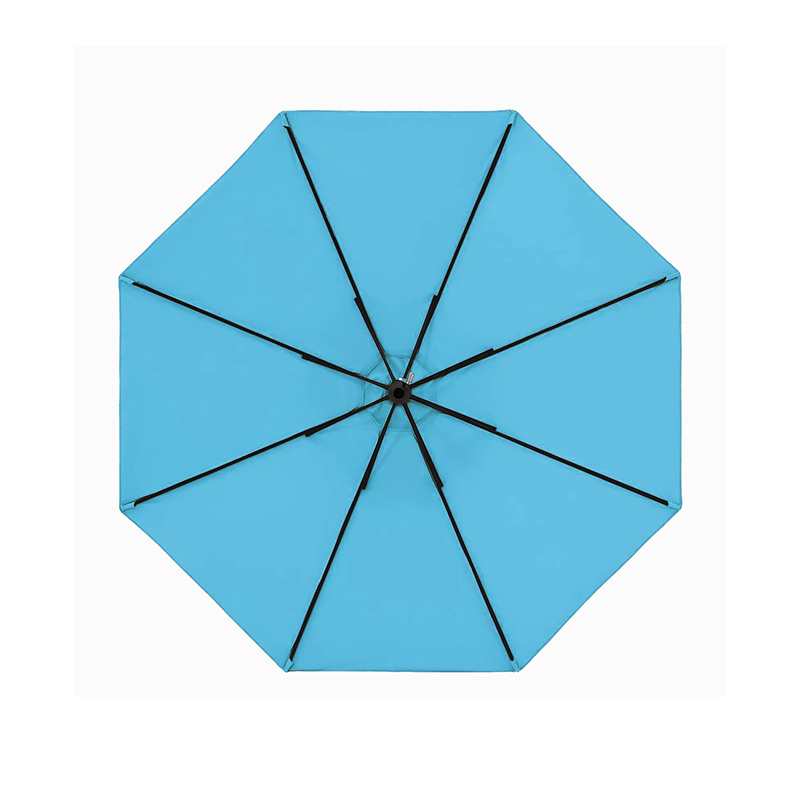
Ribs are attached to a central hub using riveted or pinned hinges. Higher quality umbrellas use stainless steel pins and riveted joints designed specifically to resist loosening from repeated folding, while lower cost versions sometimes use plastic hinge components that wear out faster under UV exposure and sand abrasion.
Canopy Attachment
The canopy fabric is stitched with sleeves or grommets that slide over the rib tips, then secured with a cap or finial at each rib end. The stitching quality at stress points, particularly where the canopy meets the central pole, is one of the most common failure points on lower cost umbrellas.
Why Aluminum Outperforms Other Pole Materials
Beach umbrella poles are traditionally made from four materials: wood, steel, fiberglass, and aluminum. Each behaves differently once it meets salt water, wet sand, and constant sun exposure.
Wood poles look attractive on a resort patio, but they absorb moisture, swell, and eventually crack or rot when used repeatedly at the beach rather than a dry backyard. Steel poles are strong and rigid, but bare or lightly coated steel rusts quickly once salt spray reaches any scratch in the finish. Fiberglass ribs bend under gusts and spring back, which protects the canopy from snapping, but fiberglass poles are usually paired with a separate central shaft and can feel less premium in the hand.
Aluminum forms a thin, stable oxide layer on its surface that blocks further corrosion, which is why marine hardware, boat fittings, and dock rails are so often made from it. That same property is what makes an aluminum beach umbrella pole hold up season after season without the pitting and rust streaks that plague painted steel.
| Material | Weight | Rust Risk | Typical Lifespan |
|---|---|---|---|
| Aluminum | Light | Very Low | Several seasons or more |
| Steel | Heavy | High | One to two seasons near salt water |
| Wood | Medium | Not applicable, but swells and cracks | Short if used at the shoreline |
| Fiberglass Ribs | Light to Medium | Very Low | Several seasons, strong in wind |
Some premium beach umbrellas combine an aluminum pole with fiberglass ribs specifically to capture the strengths of both materials at once: the pole stays light and corrosion resistant while the ribs flex under gusts instead of snapping. This hybrid construction has become increasingly common among mid to upper tier umbrella lines because it addresses the one weakness of pure aluminum ribs, which is that rigid aluminum ribs can bend permanently out of shape if caught in a sudden strong gust, whereas fiberglass simply flexes and returns to its original curve.
Aluminum Alloy Grades Used in Beach Umbrellas
Not all aluminum is identical, and the alloy grade used in the pole has a direct effect on how the umbrella performs over time.
| Alloy Series | Main Characteristic | Common Use |
|---|---|---|
| 6000 Series | Good strength to weight ratio, easy to extrude | Umbrella poles and ribs |
| 5000 Series | Strong corrosion resistance in marine settings | Hardware fittings, base plates |
| 3000 Series | Moderate strength, very formable | Lower cost or budget umbrella tubing |
Buyers rarely see the alloy grade printed on packaging, but a simple way to judge tubing quality without technical specifications is to compare wall thickness and rigidity by hand. A pole that flexes noticeably with light hand pressure is more likely to be a thin walled or lower grade extrusion, while a pole that feels stiff and solid is more likely to hold its shape through repeated wind exposure.
Key Features to Check Before Buying
Not every product labeled an aluminum beach umbrella is built the same way. The pole material is only one part of the story. Here is what actually separates a durable umbrella from one that fails after a few trips to the sand.
Pole Wall Thickness and Diameter
A thicker aluminum tube resists bending far better than a thin one, even though both are technically aluminum. Look for a pole diameter in the 1.5 to 2 inch range for a full size beach umbrella, since thinner poles tend to flex and eventually warp under repeated wind load.
Rib Count and Rib Material
Most beach umbrellas use six or eight ribs. Eight ribs generally hold the canopy shape better and reduce flapping, and fiberglass ribs paired with an aluminum pole combine flex where you need it with rigidity where you need it.
Coating and Finish
An anodized or powder coated aluminum finish adds a second layer of protection on top of the metal's natural oxide layer, which further slows pitting from prolonged salt exposure and makes the surface easier to wipe clean.
Locking Mechanism Quality
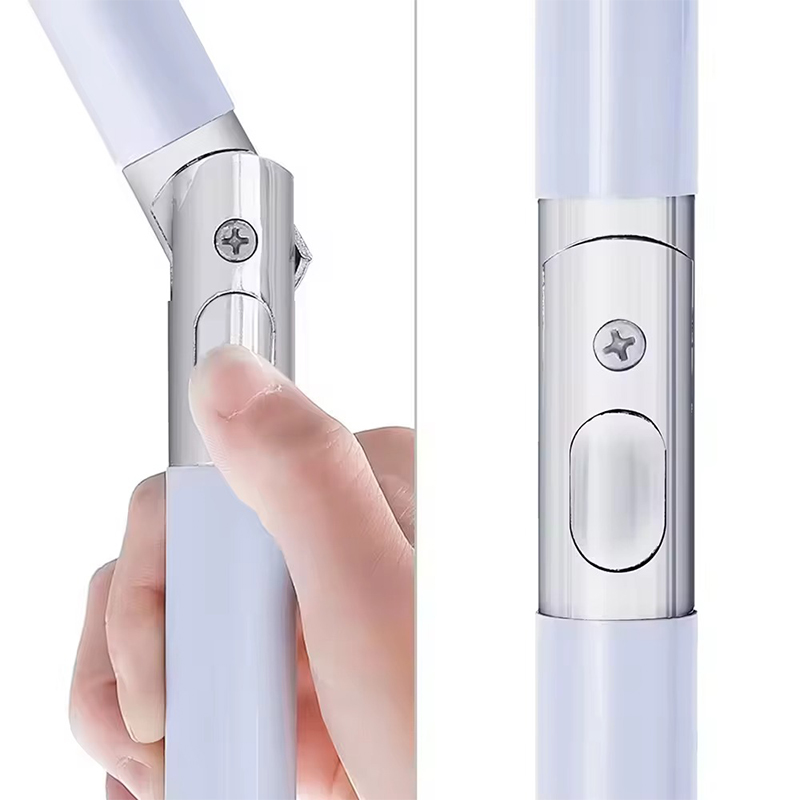
The button or lever that locks the umbrella open and closed at each height setting takes constant repeated stress. Metal locking mechanisms generally outlast plastic ones, especially once fine sand works its way into the mechanism over repeated beach trips.
- Tilt mechanism that lets the canopy angle with the sun through the day
- Push button or crank system for opening and closing without straining the joints
- Reinforced fabric vent at the top of the canopy to release wind pressure
- Pointed metal tip or sand auger built into the base of the pole
- Double layered canopy stitching at stress points near the pole collar
- Carry bag or sleeve with a shoulder strap for easier transport from car to sand
Canopy Fabric Choices and What They Mean for Durability
The pole determines how long the frame lasts, but the canopy fabric determines how long the shade quality lasts, since fading, water absorption, and mildew all affect the fabric well before an aluminum frame shows any wear.
| Fabric Type | Fade Resistance | Relative Cost |
|---|---|---|
| Coated Polyester | Moderate | Lower |
| Solution-Dyed Acrylic | High | Higher |
| Olefin Blend | Moderate to High | Mid-range |
Solution-dyed acrylic fabric embeds the color pigment directly into the fiber before it is woven, rather than applying color to the surface of a finished fabric. This is why solution-dyed canopies tend to hold their color far longer under constant sun exposure compared to standard printed or surface-dyed polyester, which can visibly fade within one to two seasons of heavy outdoor use.
Coated polyester remains the most widely used canopy fabric because it is lightweight, dries quickly, and keeps the overall umbrella price accessible. For buyers who plan to leave an umbrella set up for long stretches at a vacation rental or a fixed beachfront spot, upgrading to acrylic fabric is usually worth the added cost since it directly extends how long the canopy keeps its color and structural integrity.
Sun Protection and Fabric Ratings
The pole keeps the umbrella standing, but the canopy fabric is what actually protects skin. Canopy material is usually rated with a UPF, or Ultraviolet Protection Factor, number. A UPF rating of 50 blocks roughly 98 percent of ultraviolet radiation, which is the benchmark most quality beach umbrella canopies aim for.
Common canopy fabrics include polyester with a UV-resistant coating and solution-dyed acrylic. Polyester is lighter and more affordable, while solution-dyed acrylic resists fading from sun exposure for longer because the color is embedded in the fiber itself rather than sprayed on afterward. Darker canopy colors, such as navy or forest green, tend to block more heat and glare than very light pastel shades, though any fabric with a proper UPF coating will provide strong protection regardless of color.
It is worth noting that shade alone does not eliminate ultraviolet exposure entirely, since reflected light from sand and water can still reach skin from below and from the sides of an open umbrella. A beach umbrella with a strong UPF rating should be treated as one layer of sun protection alongside sunscreen and protective clothing rather than a complete substitute for either.
Wind Resistance and How to Anchor Properly
Wind is the single biggest cause of beach umbrella failure, not rust or fabric wear. An umbrella that is not anchored correctly can lift out of the sand and become a hazard to people nearby, which is why anchoring deserves as much attention as the umbrella itself.
Reading Wind Conditions
Light beach breezes generally sit below 10 miles per hour and pose little risk. Moderate wind in the 15 to 20 mile per hour range starts to put real pressure on an open canopy, and gusts above 25 miles per hour are strong enough to pull a poorly anchored umbrella straight out of loose sand. In these stronger conditions, closing the canopy partially or fully is the safest choice.
Anchoring Methods That Actually Work
- Dig the pole at least 18 to 24 inches into the sand rather than pressing it in shallow, since depth matters more than force.
- Pack wet sand tightly around the base as you go, since dry loose sand offers almost no holding strength.
- Use a screw-in sand anchor or auger base for extra grip in soft or dry sand areas.
- Tilt the canopy slightly away from the wind direction rather than fighting it head on.
- Close the umbrella whenever you step away, even briefly, since unattended umbrellas are the most common ones to blow over.
Why Auger Style Bases Outperform Straight Poles
A pole with a simple pointed tip relies entirely on friction against packed sand to stay in place. An auger or corkscrew style base threads into the sand the way a screw threads into wood, creating a mechanical grip that resists the upward pulling force of wind far better than friction alone. Many aluminum beach umbrellas now include this style of base specifically because it dramatically reduces the chance of the umbrella lifting free during a sudden gust.
Choosing the Right Size for Your Group
Canopy diameter determines how much shade you actually get, and sizing up is usually smarter than sizing down since shade shrinks as the sun moves across the sky.
| Group Size | Recommended Diameter | Best Use Case |
|---|---|---|
| One to two people | 6 to 7 feet | Solo trips, light packing |
| Three to four people | 7 to 8 feet | Small family outings |
| Five or more people | 9 feet and above | Group gatherings, longer stays |
Pole height matters just as much as canopy diameter, particularly for taller users or anyone seated in a raised beach chair. Most aluminum poles offer an adjustable height range, and choosing an umbrella with a taller maximum height gives more flexibility to angle the canopy for maximum coverage as the sun moves rather than being locked into one fixed shade pattern for the day.
Single Pole vs Cantilever Aluminum Beach Umbrellas
Most beach umbrellas use a single central pole anchored directly in the sand, but cantilever style umbrellas, where the pole sits to the side and an arm extends the canopy overhead, have become more common for beachfront setups near a fixed base or table.
Single Pole Advantages
A single pole design is lighter, easier to transport, and simpler to anchor directly in loose sand, making it the standard choice for a portable day at the beach.
Cantilever Advantages
A cantilever design keeps the pole out of the seating area entirely, which is useful around a table or a cluster of chairs, though the offset arm places more leverage stress on the base, meaning cantilever umbrellas typically need a heavier weighted base rather than relying on sand alone.
For most individual beachgoers carrying gear from a car or a rental unit down to the sand, a single pole aluminum umbrella remains the more practical option because of its lighter weight and simpler anchoring requirements.
Portable and Travel Friendly Aluminum Umbrella Options
Many aluminum beach umbrellas are now designed specifically around portability, since carrying gear across sand from a parking area is often the least enjoyable part of a beach trip.
- Telescoping poles that collapse to a shorter length for easier carrying
- Lightweight aluminum frames under five pounds for single hand transport
- Compact carry bags with padded shoulder straps
- Umbrellas that fold to a length short enough to fit in a standard car trunk without disassembly
Weight is often the deciding factor for buyers who plan to walk a significant distance to reach the sand rather than parking directly next to a beach access point. An aluminum frame typically weighs noticeably less than an equivalent steel framed umbrella, which becomes a meaningful difference when carrying an umbrella alongside coolers, chairs, and other beach gear.
Setting Up an Aluminum Beach Umbrella Step by Step
- Pick a spot away from foot traffic and clear of the tide line to avoid the base washing loose later.
- Dig a hole with the pole tip or a small shovel to the recommended anchoring depth.
- Insert the closed umbrella and pack sand firmly in layers, wetting each layer slightly for extra hold.
- Open the canopy slowly using the push button or crank rather than forcing it, which protects the rib joints.
- Adjust the tilt mechanism to angle shade toward your seating as the sun moves.
- Double check the base packing after the canopy is fully open, since the added surface area shifts the load on the anchor point.
Maintenance That Extends the Umbrella's Life
Even a rust-resistant aluminum frame benefits from basic care after a day at the shore.
- Rinse the pole, ribs, and hinges with fresh water after every beach trip to remove salt residue.
- Dry the canopy fully before folding it away to prevent mildew from forming in the fabric.
- Wipe sand out of the sliding runner and hinge points so the open and close mechanism stays smooth.
- Store the umbrella upright or flat in a dry area rather than leaving it outdoors between uses.
- Check screws and joints periodically, since sand can work them loose over a season of use.
- Apply a small amount of light lubricant to the sliding runner mechanism at the start of each season to keep it moving freely.
Seasonal Storage and Off-Season Care
How an umbrella is stored during the off-season has a direct effect on how it performs the following year.
End of Season Cleaning
Before long-term storage, give the entire umbrella a thorough fresh water rinse, allow it to dry completely in the shade rather than direct sun, and check that no residual sand remains inside the pole's sliding sections.
Storage Position
Storing an umbrella closed and upright, ideally in a carry bag, keeps ribs from developing a permanent bend that can happen if a canopy is left folded flat under weight for months at a time.
Climate Considerations
In coastal climates with high humidity year round, occasional airing out during storage helps prevent moisture buildup inside a stored canopy bag, which reduces the chance of a musty smell or mildew spots developing before the umbrella is used again.
What Affects Price and What Represents Good Value
Aluminum beach umbrella prices vary widely, and the differences usually trace back to a specific combination of factors rather than brand name alone.
| Factor | Effect on Price |
|---|---|
| Pole wall thickness | Thicker walls raise cost but add durability |
| Canopy fabric type | Solution-dyed acrylic costs more than coated polyester |
| Rib material | Fiberglass ribs generally add cost over rigid aluminum ribs |
| Base and anchoring hardware | Auger bases and reinforced tips add to overall cost |
The most cost-effective approach for most buyers is prioritizing pole thickness and rib quality first, since these directly determine whether the umbrella survives normal beach conditions, then choosing canopy fabric quality based on how frequently and how long the umbrella will be left set up in direct sun.
Common Mistakes That Shorten an Umbrella's Lifespan
Most beach umbrella failures come down to a handful of avoidable habits rather than defective products.
Shallow Anchoring
Pushing the pole only a few inches into the sand is the number one cause of umbrellas tipping or flying in moderate wind. Depth and packed wet sand matter far more than how firmly the pole is pressed down initially.
Leaving the Canopy Open in Gusts
An open canopy acts like a sail. Closing it during breaks in the day, even for a short walk, prevents the sudden gust that snaps a rib or uproots the base.
Skipping the Fresh Water Rinse
Salt crystals left on aluminum joints and hinges accelerate wear on moving parts, even though the pole itself resists rust. A quick rinse after each outing keeps every mechanism working freely.
Forcing a Stuck Mechanism
When a sliding runner or locking button feels stiff, forcing it open or closed with extra pressure often bends the pole or snaps a plastic button rather than fixing the underlying sand buildup causing the resistance in the first place.
Troubleshooting Common Problems
The Umbrella Will Not Stay Open
This is usually caused by sand or debris blocking the locking button or runner track. Rinsing the mechanism with fresh water and working the slider up and down a few times typically clears the obstruction.
The Canopy Flaps Loudly in Light Wind
Loud flapping often points to a canopy that has stretched slightly over time or ribs that are not fully locked into the open position. Checking that every rib tip is seated correctly in its canopy sleeve usually resolves this.
The Pole Feels Loose in the Sand After Setup
A pole that feels loose shortly after anchoring usually was not packed with enough wet sand around the base. Removing the umbrella, digging slightly deeper, and repacking with damp sand in layers solves this in most cases.
Visible White Powder on the Aluminum Surface
A light white or chalky residue on aluminum is typically surface oxidation, which is cosmetic rather than structural. Wiping the area with a damp cloth and mild soap usually restores the appearance without affecting the strength of the pole.
Frequently Asked Questions
Is an aluminum beach umbrella heavier or lighter than a steel one?
Aluminum is significantly lighter than steel of the same tube dimensions, which is why aluminum beach umbrellas are easier to carry and set up single handed.
Can an aluminum beach umbrella rust?
Aluminum does not rust in the traditional sense because it does not contain iron, though it can develop light surface oxidation over time. This oxidation is cosmetic and does not weaken the pole the way rust weakens steel.
How deep should the pole be anchored in sand?
A depth of roughly 18 to 24 inches with firmly packed wet sand gives a beach umbrella meaningful holding strength against wind gusts.
What canopy size is best for a family of four?
A canopy between 7 and 8 feet in diameter typically provides enough shade for three to four people seated together.
Should the umbrella be closed when not in use?
Yes. Closing the canopy whenever it is unattended, even briefly, removes the wind resistance that causes most tipping incidents.
Does a higher UPF rating mean better sun protection?
Yes, a UPF of 50 blocks a very high percentage of ultraviolet rays, and most quality beach umbrella canopies are built to that standard or close to it.
How often should the umbrella be rinsed after beach use?
Rinsing with fresh water after every trip is the simplest habit for keeping hinges, sliders, and joints working smoothly over multiple seasons.
Is a thicker pole always better?
A thicker wall generally adds rigidity and wind resistance, though it also adds weight, so the ideal thickness depends on balancing portability against how often the umbrella will face stronger wind conditions.
What is the difference between anodized and powder coated finishes?
Anodizing thickens the metal's natural protective oxide layer electrochemically, while powder coating applies a separate pigmented layer over the surface. Both add protection and a finished appearance, though anodized finishes tend to resist chipping since the coating is part of the metal itself rather than a layer sitting on top of it.
Can a single pole umbrella be used with a table?
A single pole umbrella can work near a table if the pole is positioned at the edge, though a cantilever style umbrella is generally better suited for keeping the pole entirely out of the seating and table area.
Recommended products
Contact Us Now
Copyright 2024 @ Shaoxing Jinqiao Umbrella Co., Ltd. All Rights Reserved. OEM/ODM umbrellas manufacturers Custom Umbrellas Factory
