

 English
 中文简体
中文简体






Large Beach Umbrella Buying Guide: Sizes, Fabrics & Wind Resistance That Works
Posted by Admin
Content
- 1 What Actually Counts as a Large Beach Umbrella
- 2 Frame Materials: The Parts That Decide Lifetime
- 3 Canopy Fabric: Sun Protection and Weather Behavior
- 4 Wind Resistance: Why Large Canopies Fail and How to Fix It
- 5 Portability and Setup: What a Bigger Canopy Costs You
- 6 Matching a Large Beach Umbrella to a Use Case
- 7 Mistakes That Ruin Large Beach Umbrellas Early
- 8 Maintenance That Keeps a Large Umbrella Working for Years
- 9 Frequently Asked Questions
- 9.1 What size beach umbrella do I need for four people?
- 9.2 Can a large beach umbrella handle strong wind?
- 9.3 Is UPF 50+ the highest rating available?
- 9.4 Does a bigger umbrella automatically mean better sun protection?
- 9.5 How long does a well-built large beach umbrella last?
- 9.6 Can I use a large beach umbrella on my patio?
- 9.7 Is waterproof fabric necessary at the beach?
- 10 Final Takeaway: Buy the Four Numbers, Not the Label
Large beach umbrellas only earn their keep when three conditions are satisfied at the same time: a canopy wide enough to shade an entire group, a frame that does not fold at the first gust, and fabric that blocks real UV radiation instead of simply dimming the light. Based on the failures most often reported by beachgoers, resort operators, and fishing guides, the practical minimum spec for a genuinely large beach umbrella is a 7.5-foot (2.3 m) canopy, a pole with a wall thickness of at least 1.5 mm, fiberglass ribs, and UPF 50+ fabric. Umbrellas that hit those four numbers shade two to four adults, tolerate a normal coastal breeze, and keep working for several seasons. An item marked "large" but measuring six feet across, with thin aluminum walls, will bend, tear, or invert in exactly the conditions you bought it to survive.
The rest of this guide explains how to judge canopy size claims, compare frame and fabric materials, anchor a large umbrella so it does not turn into a projectile, and avoid the mistakes that turn a good product into one-season junk. Everything below applies to the 2026 buying season and to the standard product categories sold through umbrella manufacturers and importers this year.
- 7.5 ft minimum canopy
- UPF 50+ blocks ~98% UV
- 1.5 mm pole wall minimum
- 8 ribs minimum for large
- 10-20 lb per anchor
What Actually Counts as a Large Beach Umbrella
Size for beach umbrellas is always measured by canopy diameter, never by pole height or overall appearance. The common retail categories are compact at 5.5 to 6.5 feet, large at 7.5 to 8.5 feet, and extra-large at 9 feet and up. A unit listed simply as "oversized" without a diameter figure is a red flag; the number is the only reliable way to compare two products.
The practical reason to move past a 6-foot umbrella is shade area, which grows with the square of the radius. Using the standard formula for a circle, a 6-foot canopy covers about 28.3 square feet. A 7.5-foot canopy covers 44.2 square feet, which is roughly 56 percent more shade. An 8.5-foot canopy reaches 56.7 square feet, effectively double the coverage of the 6-foot model. That difference is why four adults squeezed under a small umbrella still end up with someone's shoulders in the sun.
Diameter is only half of the story. As detailed in an analysis of how the shape of a beach umbrella changes the shaded footprint, a round canopy and a low-angle sun produce very different usable shade at different times of day. For a beach group that stays seated for hours, a wide canopy that tilts toward the sun protects better than a slightly taller one that cannot be angled.
If your goal is to keep two adults and two children out of direct sun for a full afternoon, look first in the 7.5 to 8.5-foot range. A model such as the oversized sunshade beach umbrella is designed around extra-wide canopy coverage, which is exactly the geometry a seated family group needs.
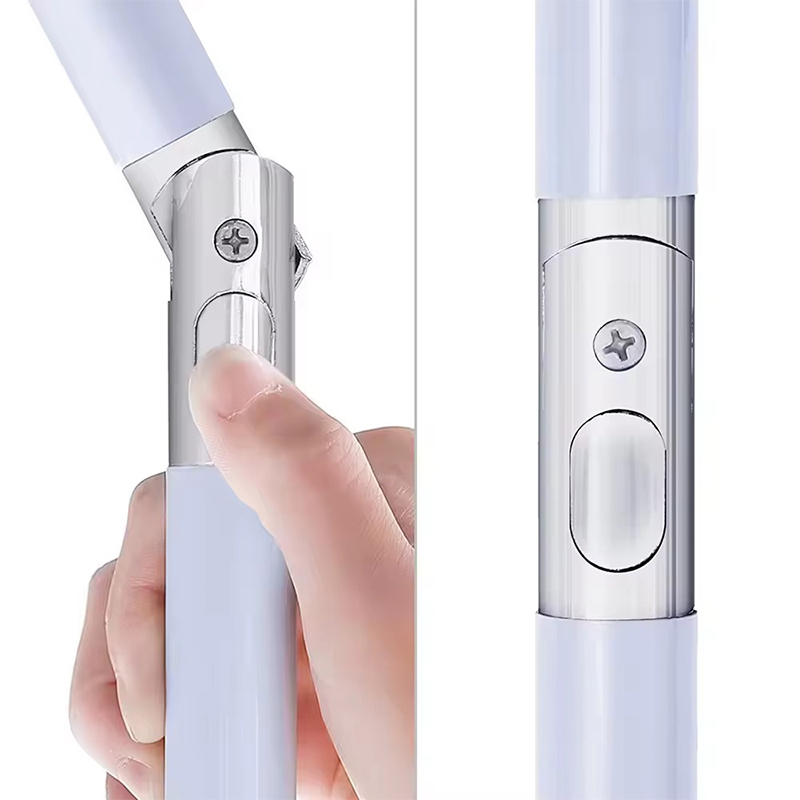 Custom Oversized Sunshade Beach Umbrella Suppliers, OEM/ODM Factory - Shaoxing JJinqiao Umbrella Co., Ltd is China OEM/ODM Oversized Sunshade Beach Umbrella suppliers and Oversized Sunshade Beach Umbrella factory, Pro...View Product →
Frame Materials: The Parts That Decide Lifetime
The frame of a large beach umbrella has three load-bearing parts: the pole, the ribs, and the hub that connects them. On big canopies, the weakest of these three sets the ceiling for the whole product. A beautiful canopy on a thin pole will not survive one windy week.
The Pole
Aluminum is the most balanced choice for beach use because it resists rust and stays light enough to carry. The relevant spec is wall thickness: inexpensive poles at 0.8 to 1.0 mm bend under a 7.5-foot canopy, while a 1.5 mm wall handles normal beach conditions and a 2.0 mm wall is considered heavy-duty. Wooden poles look classic and feel solid but add weight and require varnish maintenance. Fiberglass composite poles flex under gusty wind instead of snapping, which makes them popular for fishing and exposed shorelines, at the cost of extra weight.
The Ribs
Fiberglass ribs are the preferred choice for large canopies because they flex under pressure and return to shape instead of cracking. Steel ribs are strong and hold their arc well but are prone to rust at the joints after repeated salt exposure. Aluminum ribs are light but less stiff, which becomes noticeable when a canopy approaches 9 feet. Rib count matters just as much: 6 ribs suit a compact umbrella, 8 ribs are the minimum for a 7.5-foot model, and 10 ribs are recommended for 9-foot and larger canopies that face open beach wind.
| Component | Material | Strengths | Weaknesses | Best Use |
|---|---|---|---|---|
| Pole | Aluminum 1.5-2.0 mm | Light, rust-resistant | Thin walls bend | Most beach use |
| Pole | Wood | Classic look, solid feel | Heavy, needs varnish | Garden and resort style |
| Pole | Fiberglass composite | Flexes, very durable | Heavier, costlier | Fishing and high wind |
| Ribs | Fiberglass | Bends without breaking | Slightly heavier | Large canopies in wind |
| Ribs | Steel | Strong, holds arc | Rust at joints | Heavy-duty fixed use |
| Ribs | Aluminum | Light | Less stiff, fatigues | Compact travel models |
Canopy Fabric: Sun Protection and Weather Behavior
The single most important fabric number is the UPF rating. A fabric labeled UPF 50+ is generally understood to filter at least 98 percent of UVB and UVA radiation. A UPF 30 fabric blocks around 96 to 97 percent, which does not sound like a big gap but becomes meaningful during a full day of exposure. Do not trust the word "sun protection" printed on a tag without a UPF number; the rating is what makes the claim measurable.
A simple field check works anywhere: hold the closed canopy fabric up to direct sunlight. If you can clearly see the outline of your hand or bright dots of light through the weave, the fabric is not dense enough for a genuine UPF 50+ claim, regardless of what the label says.
Fabric Types
Polyester is the most common canopy fabric because it is light, dries fast, and holds color well. Canvas, usually a cotton-polyester blend, feels heavier and stiffer, offers very good mechanical strength, but absorbs water unless it carries a coating. Acrylic fabric sits at the premium end: it resists fading under intense sun better than polyester and repels water reasonably without feeling plasticky.
| Fabric | Feel and Weight | UV Performance | Water Behavior | Expected Life |
|---|---|---|---|---|
| Polyester | Light and flexible | UPF 50+ typical | Dries fast, can be coated | 2 to 4 seasons |
| Canvas blend | Heavy and stiff | Good if tightly woven | Absorbs water unless coated | 3 to 5 seasons |
| Acrylic | Mid-weight, supple | Excellent UV resistance | Repels water, not fully waterproof | 4 or more seasons |
Coatings and Vents
A polyurethane or similar coating on the underside can make the canopy waterproof, which helps during sudden coastal showers and in humid climates. Ventilation is just as practical: a double-layer ventilated canopy lets hot air escape and reduces upward lift in wind, so the umbrella feels more stable and the area underneath stays noticeably cooler. If you want the positioning details that make these features work, the explanation of how to achieve all-round sun protection with a UPF 50+ beach umbrella covers the practical angles and timing.
Wind Resistance: Why Large Canopies Fail and How to Fix It
A wider canopy works like a bigger sail. Wind load on a flat surface grows roughly with the square of wind speed, so a 20 mph gust pushes about four times harder than a 10 mph breeze. In practical terms, an unanchored 8-foot umbrella catches enough force at around 15 to 20 mph to lift its pole out of loose sand and become a hazard to everyone nearby.
The fix is anchoring, not just heavier construction. A large umbrella should be secured with at least one of these methods:
- Sandbags of 10 to 20 pounds each, attached to the lowest part of the pole or to the leg straps, are the most reliable on open sand.
- Screw or spiral anchors that are twisted into compacted sand at a 30 to 45 degree angle hold far better than a simple spike pushed straight down.
- Weighted base stands of 30 to 40 pounds are meant for patios and decks rather than loose beach sand.
Positioning also matters. Tilt the canopy slightly into the prevailing wind so air slides over the fabric instead of catching under it. When steady wind exceeds roughly 25 mph, close the umbrella, even if it is anchored; no consumer-grade canopy is designed to survive storm conditions while open. Some large models integrate anchoring into the product itself. The windproof thickened fishing umbrella with stand adds a reinforced pole and a proper stand, which avoids the weakest point of a standard beach umbrella: a single thin spike holding a wide canopy.
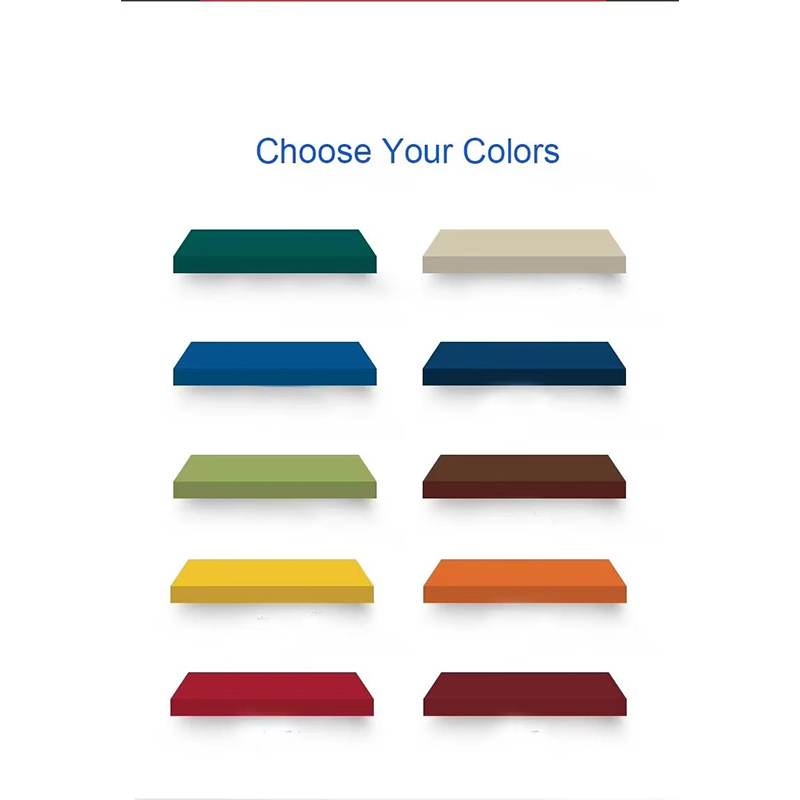 Custom Windproof Thickened Fishing Umbrella With Stand Suppliers, OEM/ODM FactorJinqiao Umbrella Co., Ltd is China OEM/ODM Windproof Thickened Fishing Umbrella With Stand suppliers and Windproof Thickened Fishing Umbr...View Product →
Portability and Setup: What a Bigger Canopy Costs You
The trade-off for more shade is weight and packed length. In the current market, a 7.5-foot aluminum model usually weighs between 7 and 10 pounds, an 8.5 to 9-foot model runs 10 to 14 pounds, and a 9 to 10-foot fiberglass-pole model can reach 15 to 18 pounds. If you are walking more than ten minutes from car to spot, staying under 11 pounds matters more than an extra foot of canopy.
Three design details make a large umbrella significantly easier to live with:
- A pole in two or three sections that telescopically locks reduces the packed length from awkwardly long to car-friendly. Check that the locking collar is metal or reinforced plastic; a weak collar is a common failure point.
- A semiautomatic or crank opening system removes the strain of pushing a large hub upward by hand and avoids rib damage from uneven pressure.
- A padded carry bag with a shoulder strap protects the fabric and ribs during transport; unpadded bags let the frame wear through the canopy over a season.
A stable setup sequence takes less than a minute once you get used to it:
- Position the pole at a slight angle and push it into firm sand, or lock it into the base or anchor before opening the canopy.
- Open the canopy only after the pole is secure, then engage the tilt mechanism and adjust the angle.
- Add sandbags or screw anchors last, so the umbrella is already stable before you sit down.
- During long stays, check the anchor points once per hour; sand dries and shifts as the day warms.
Matching a Large Beach Umbrella to a Use Case
The right canopy size and frame depend on how long the umbrella stays open, how many people it must cover, and whether it moves during the day. The table below sets realistic targets rather than marketing numbers.
| Use Case | Canopy Size | Frame | Anchoring | Weight Target |
|---|---|---|---|---|
| Family beach day | 7.5 to 8.5 ft | Aluminum pole, fiberglass ribs | Two sandbags minimum | Under 12 lb |
| Fixed fishing spot | 8.5 to 10 ft | Fiberglass pole, heavy ribs | Screw anchor or base stand | 14 to 18 lb |
| Resort or rental service | 9 to 10 ft | Reinforced aluminum, 10 ribs | Permanent or sand screw | Weight not the limit |
| Backyard patio | 8.5 to 9 ft | Wood or aluminum | Cross base with weight | Base over 30 lb |
For anglers who set up once and sit for hours, portability matters less than rigidity and coverage. The high-quality large-size outdoor fishing umbrella keeps the wide canopy but puts the budget into pole and rib strength, which is the right priority when the umbrella must survive a full day in one spot.
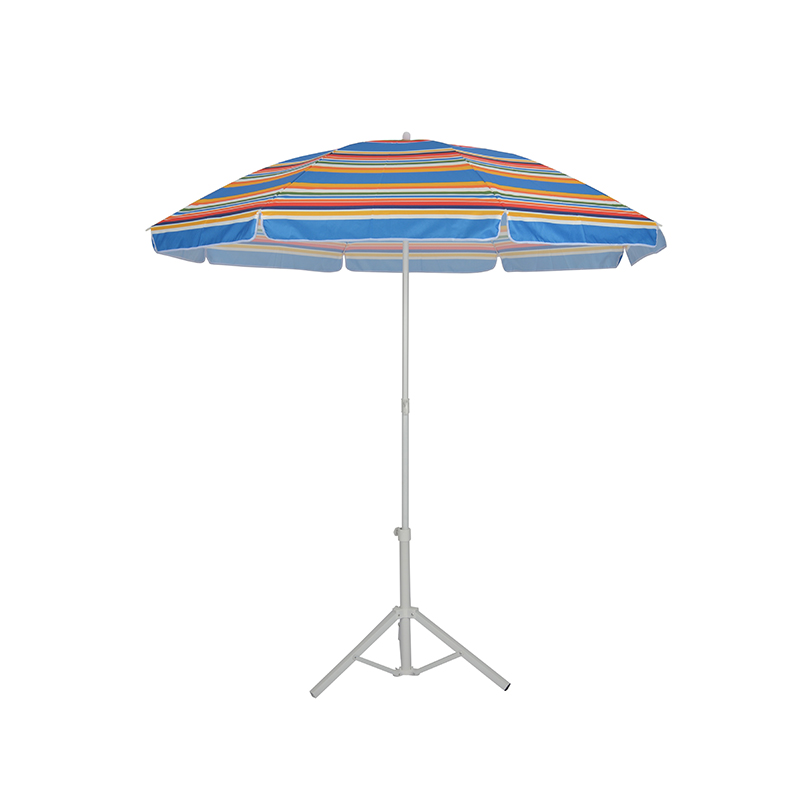 Custom High Quality Large Size Outdoor Fishing Umbrella Suppliers, OEM/ODM FactoJinqiao Umbrella Co., Ltd is China OEM/ODM High Quality Large Size Outdoor Fishing Umbrella suppliers and High Quality Large Size Outdoor...View Product →
Commercial buyers managing resorts, beach clubs, or rental fleets should look at a slightly different cost equation. UV-stable fabric, replaceable ribs, and corrosion-resistant fittings cost more up front, but they lower the per-use cost dramatically across two seasons of daily salt exposure. A rental umbrella that fails mid-season creates staffing and refund costs that no small price saving can offset.
Mistakes That Ruin Large Beach Umbrellas Early
Most premature failures are predictable. The same patterns show up in reviews and after-sales complaints season after season:
- Buying a 6-foot model for a group of four and expecting full coverage; the canopy area is simply not enough.
- Choosing a pole wall thinner than 1.2 mm and then complaining that the umbrella bent on a breezy day.
- Skipping sandbags because the spike "feels" secure in loose dry sand; the first real gust proves otherwise.
- Closing the umbrella wet and storing it folded for weeks, which lets mildew grow inside the fabric folds.
- Using bleach-based cleaners on the canopy; they strip the UV coating and fade the color unevenly.
- Leaving the umbrella open overnight at a beach house, where wind can flip it and snap the ribs before morning.
Maintenance That Keeps a Large Umbrella Working for Years
Salt, sand, and UV are the three things that wear a large beach umbrella down. A cleaning and inspection routine of five to ten minutes after each trip extends the usable life from two seasons to four or more.
- Rinse the canopy and frame with fresh water, especially the pole joints and rib tips, to remove salt crystals and fine sand.
- Allow the canopy to dry completely in the shade before folding; storing a damp canopy is the fastest way to develop mildew.
- Inspect stitching along the seams, the hub rivets, and the rib pockets. Catch a loose thread before it runs the length of a panel.
- Apply a small amount of silicone spray to the tilt and sliding mechanisms once a season; oil-based lubricants attract sand.
- Store the umbrella in a dry space with the canopy loosely rolled, not under heavy objects that can bend the ribs.
For more detail on reading canopy construction and handling seasonal wear, the broader knowledge base on sun umbrellas collects the practical routines that apply across different sizes and frame types.
Frequently Asked Questions
What size beach umbrella do I need for four people?
Start at 7.5 feet and prefer 8 to 8.5 feet if everyone wants to stay in the shade at the same time. A 7.5-foot canopy creates about 44 square feet of shade, which covers two adults sitting with two children, but leaves little room for bags and coolers. At 8.5 feet the extra area makes the difference between shaded and half-sun.
Can a large beach umbrella handle strong wind?
A well-built large umbrella with fiberglass ribs, a double-layer vented canopy, and proper sandbag or screw anchoring handles steady wind up to roughly 20 to 25 mph. Above that range, no consumer model should stay open. Wind gusts behave unpredictably, so closing the umbrella during an obvious weather change is always the safer choice.
Is UPF 50+ the highest rating available?
Yes, on the standard UPF labeling scale, 50+ is the maximum rating and represents the highest measured level of UV protection commonly used for fabrics. It blocks at least 98 percent of UV radiation. When a product claims UPF 50+, ask for the rating to be printed on the sewn label; that is the indicator of a genuine test.
Does a bigger umbrella automatically mean better sun protection?
No. A bigger canopy provides more shaded area, but the level of protection under that shade depends on the fabric's UPF rating, the canopy angle, and the position of the sun. A UPF 50+ canopy tilted toward the sun protects better than a larger canopy with thin fabric that lets UV pass through.
How long does a well-built large beach umbrella last?
With regular rinsing and proper dry storage, a large umbrella with a 1.5 to 2.0 mm aluminum pole, fiberglass ribs, and UPF 50+ fabric typically lasts three to five seasons of normal family use. A bargain model with a thin pole and steel ribs often fails in the first or second season due to bending or rust.
Can I use a large beach umbrella on my patio?
Yes, but only with the right base. A beach umbrella pole is designed to push into sand, so it needs a heavy cross-shaped base or a weighted stand on a hard surface. For permanent patio installation, a garden or courtyard umbrella with a matching base and a wind-resistant frame is the more appropriate product.
Is waterproof fabric necessary at the beach?
Not strictly. On the beach, UV protection matters more than waterproofing because a wet canopy dries quickly in sun. However, a water-repellent or coated fabric helps in two ways: it resists mildew after being folded slightly damp, and it keeps the shade usable during a short tropical shower.
Final Takeaway: Buy the Four Numbers, Not the Label
A large beach umbrella is a simple product, but the difference between a dependable one and a frustrating one comes down to four measurable specifications: canopy diameter of at least 7.5 feet, pole wall thickness of at least 1.5 mm, fiberglass ribs, and a UPF 50+ fabric rating. Check those numbers before checking the color or the price, and the umbrella will do what a large beach umbrella is supposed to do: hold a wide patch of real shade through a full day of sun.
For buyers who purchase in volume for rentals, resorts, or retail programs, the same logic scales up. The products that survive daily salt exposure are the ones built with thicker walls, replaceable components, and fabric that can hold its rating after hundreds of hours of strong sun. That is the standard worth asking for, whether you buy one umbrella for a family trip or a hundred for a beach club.
Recommended products
Contact Us Now
Copyright 2024 @ Shaoxing Jinqiao Umbrella Co., Ltd. All Rights Reserved. OEM/ODM umbrellas manufacturers Custom Umbrellas Factory
